
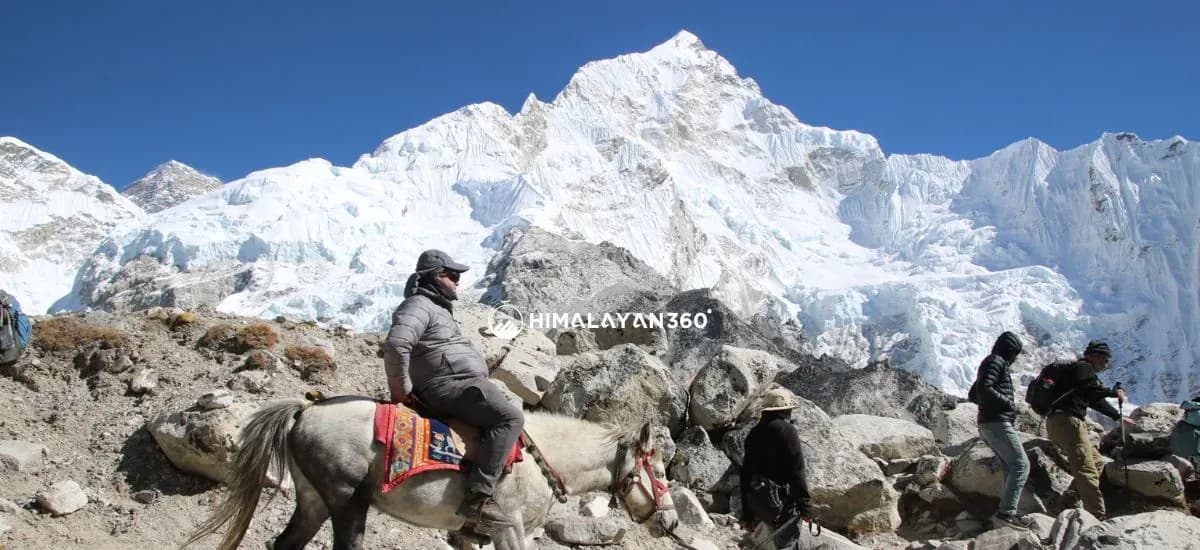
Sagarmatha National Park, a UNESCO World Heritage Site in Nepal, is home to the world’s highest peak, Mount Everest (8,848.86 m), known as Sagarmatha in Nepali. The name Sagarmatha is derived from the Nepali words sagar (sky) and matha (head), translating to “Forehead of the Sky“. The Tibetan name for Mount Everest is Chomolungma, meaning “Goddess Mother of the World“. Located in the Solukhumbu district of Nepal, the park is renowned for its mountain scenery, glaciers, and biodiversity, as well as the unique culture of the Sherpa people.
The park was established on July 19, 1976, to protect the ecosystem and cultural heritage. The park covers 1,148 sq km in the Khumbu region of northeastern Nepal, extending to the Tibetan border in the north. In addition to Mount Everest, the park contains numerous other peaks over 6,000 m, including Lhotse, Cho Oyu, and Ama Dablam. The landscapes include a network of massive glaciers, such as the Khumbu and Ngozumpa, as well as glacial rivers like the Dudh Koshi.
The Sagarmatha region gained international attention in 1953 when Sir Edmund Hillary and Tenzing Norgay Sherpa made the first successful ascent of Mount Everest. Tourism began to take hold in the early 1960s, leading to the development of trekking routes and teahouses. It is a place of natural wonder, rich culture, and remarkable adventure.
Where Is Sagarmatha National Park?
Sagarmatha National Park sits in the Solukhumbu district of northeastern Nepal, written Solu-Khumbu district of Nepal in older sources, covering the Khumbu region and running north to the Tibetan border. It protects 1,148 sq km of high Himalaya, and every trekking route to Everest Base Camp passes through it. The park boundary lies roughly a day and a half of walking above Lukla, the airstrip almost every visitor flies into.
| Location | Solukhumbu district, Khumbu region, northeastern Nepal |
| Established | 19 July 1976 |
| Area | 1,148 sq km |
| Status | UNESCO World Heritage Site |
| Highest point | Mount Everest, 8,848.86 m |
| Other major peaks | Lhotse (8,516 m), Cho Oyu, Nuptse (7,861 m), Ama Dablam (6,812 m), Thamserku (6,623 m) |
| Main glaciers | Khumbu (17 km), Ngozumpa (36 km, the longest in Nepal) |
| Wildlife | 200+ bird species, 26+ mammal species, 865 plant species |
| Gateway | Lukla, by air from Kathmandu or Manthali |
| Permits | Sagarmatha National Park entry permit and Khumbu Pasang Lhamu Rural Municipality permit |
| Best seasons | Spring (March to May), autumn (September to November) |
Written Sagarmāthā National Park in full transliteration from Nepali, it takes its name from Mount Sagarmatha, which is Everest. The park's name explains its shape. Sagarmatha is Everest, and the park is essentially the mountain's Nepali watershed: the Dudh Koshi and its tributaries, the glaciers that feed them, and the Sherpa villages built along them. Its eastern neighbour, the Makalu-Barun National Park, was declared in 1992 as a direct extension of it, so Makalu Barun National Park and this one together protect a continuous belt of the Himalayas of eastern Nepal. Both form links in the Sacred Himalayan Landscape, the trans-boundary conservation belt that runs along the eastern range, and it is the dramatic mountains inside them that got the Himalayan landscape here protected in the first place.
Sagarmatha National Park as a UNESCO World Heritage Site
Sagarmatha National Park was established on 19 July 1976 and inscribed as a natural World Heritage site in 1979. It was not Nepal's first national park, Chitwan holds that title, but it was the first of them to receive a natural World Heritage site listing, and the citation for SNP as a World Heritage property rests on the scenery, the geology and the resident culture together rather than on any single species. The World Heritage designation covers the same 1,148 sq km as the protected area itself.
The park is geologically interesting as well as scenic. It contains the upper catchment of the Dudh Kosi river, and the rock exposed high on the flanks of the highest peak in the world is marine sediment lifted by the collision that built the range. Deep valleys and majestic peaks are the surface reading of that collision, and they are the reason a walk here climbs through five climate zones in under a fortnight.
Who Manages the Park
Management of the park sits with the Department of National Parks and Wildlife Conservation, an arm of the Government of Nepal, working under the National Parks and Wildlife Conservation Act of 1973 and the Himalayan National Park Regulations that followed it. Park authorities are supported on the ground by the Nepal Army, which staffs the posts inside the park and checks permits at the gate above Lukla. Practically, this is what a trekker meets: a permit desk, a register, and a rule about staying on marked trails.
The Park and Its Buffer Zone
The Sherpa communities living within the park are not visitors to it. Namche Bazaar, Khumjung, Thame and Phortse sit inside the boundary along with their fields, and yak grazing land runs up the side valleys to the edge of the moraine. That is unusual for a national park and it was deliberate. Village land, farmland and the forest that households draw on are excluded from the strictly protected core and handled under buffer zone management instead, so park and buffer zone are administered together and a share of park revenue returns to local user groups who decide how firewood, grazing and other natural resource use is shared out in their own valleys.
The most visible piece of that arrangement is the Sagarmatha Pollution Control Committee, the local body that runs waste collection and the rubbish deposit scheme across the Khumbu. Every expedition and trekking group inside the park comes into contact with its rules, and the trail is as clean as it is largely because of that committee rather than because of anything a visitor does individually.
Transportation Options to Reach Sagarmatha National Park
Reaching Sagarmatha National Park is an adventure in itself, with several transportation options available for travelers. From flights to roads, you can choose the mode that suits your schedule and budget. Most trekkers combine air and road travel to begin their journey towards Everest Base Camp.
Driving to Jiri, then Trekking
One of the traditional routes to reach Sagarmatha National Park begins with a drive from Kathmandu to Jiri. It is a historic path taken by Sir Edmund Hillary and Tenzing Norgay in 1953. While Jiri is the traditional start, some trek begins a bit further down, at locations like Bhandar or Sivalaya.
The trek from Jiri to Sagarmatha National Park takes 7–11 days and is considered demanding. Permits such as Sagarmatha National Park and Khumbu Pasang Lhamu Rural Municipality are required for this trek. Highlights along the route include Lamjurala Pass, Sherpa villages such as Bhandar, Junbesi, and Nunthala, and stunning views of Mount Everest.
Flight to Lukla and Trekking
The most popular way to reach Sagarmatha National Park is by taking a short, scenic flight from Kathmandu to Lukla, known as the gateway to the Everest region. It is the faster option than driving to Jiri. The small, propeller-driven aircraft carry 15 to 20 passengers and operate primarily in the early morning for the best weather conditions.
This option takes around 2 days to reach the park. The best seasons for the flight are spring (March–May) and autumn (September–November). During the flight, you can enjoy aerial views of the Mahalangur Himalayan Range, including Everest, Nuptse, and Ama Dablam, as well as the Dudh Koshi River and valley.
Note: During peak season, direct flights to Lukla may be fully booked; travelers can drive from Kathmandu to Manthali (Ramechhap) and take a flight from there to begin their trek towards Sagarmatha National Park.
Famous Trekking Itineraries from Sagarmatha National Park
The Major Attraction: Everest Base Camp
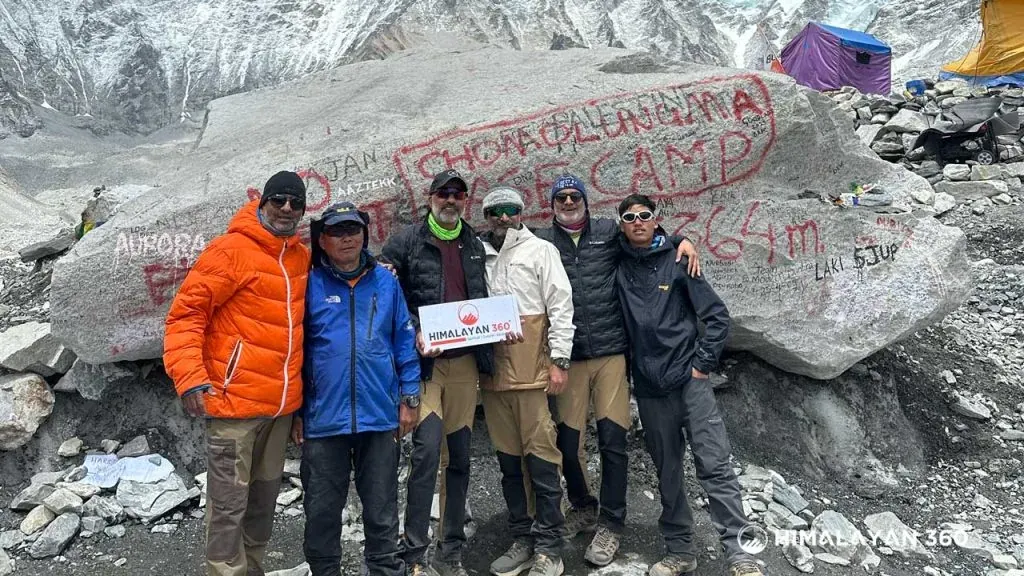
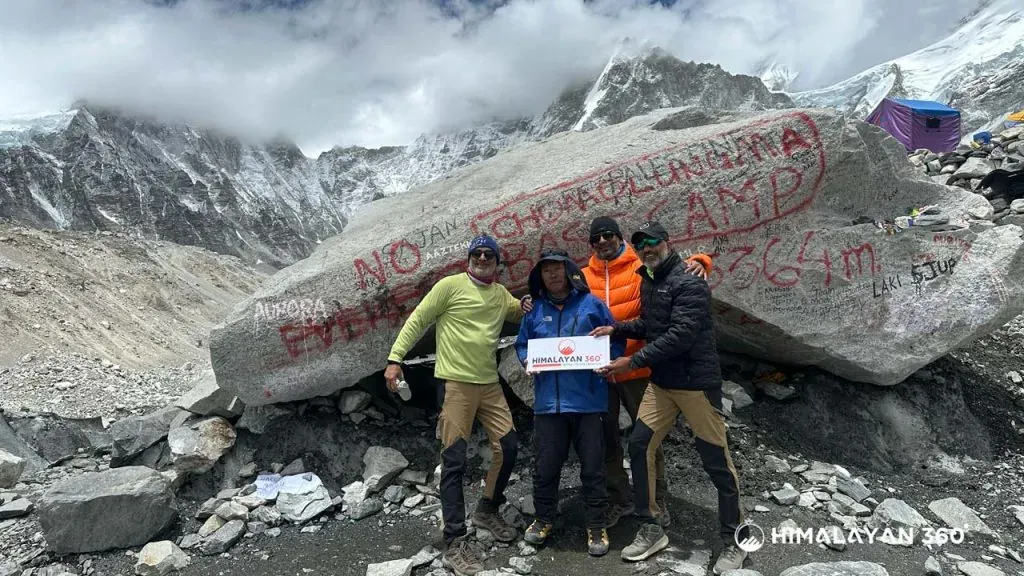
Everest Base Camp Trek is the ultimate destination for trekkers visiting Sagarmatha National Park, which takes them to the base of Mount Everest at 5,364 m. It lies on the southern face of Mount Everest, and the entire trekking route to get there passes through the park. The trek usually takes 10-14 days from Lukla and is considered moderate to challenging due to high-altitude trails and long daily walks.
- Costs around USD 1,260-1,815 per person
- Offer beautiful views of Mount Everest, Lhotse (8,516 m), Thamserku (6,623 m), Ama Dablam (6,812 m), and Nuptse (7,861 m) from the high trails
- Includes a visit to the Khumbu Glacier and Kalapatthar (5,545 m)
- Provide cultural encounters at Khumjung and Tengboche Monastery (Dawa Choling Monastery).
The Turquoise Colored Gokyo Lakes Trek
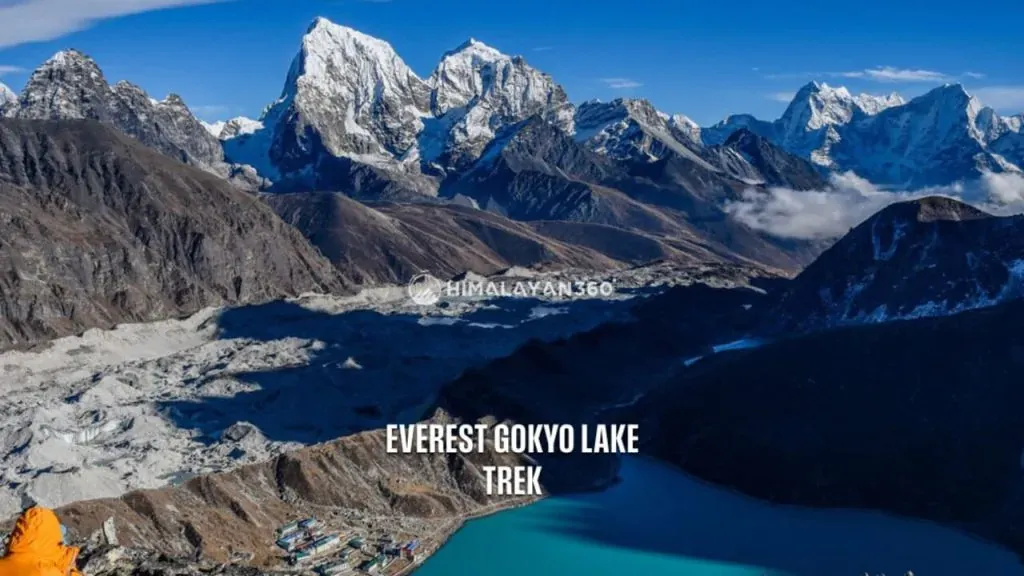
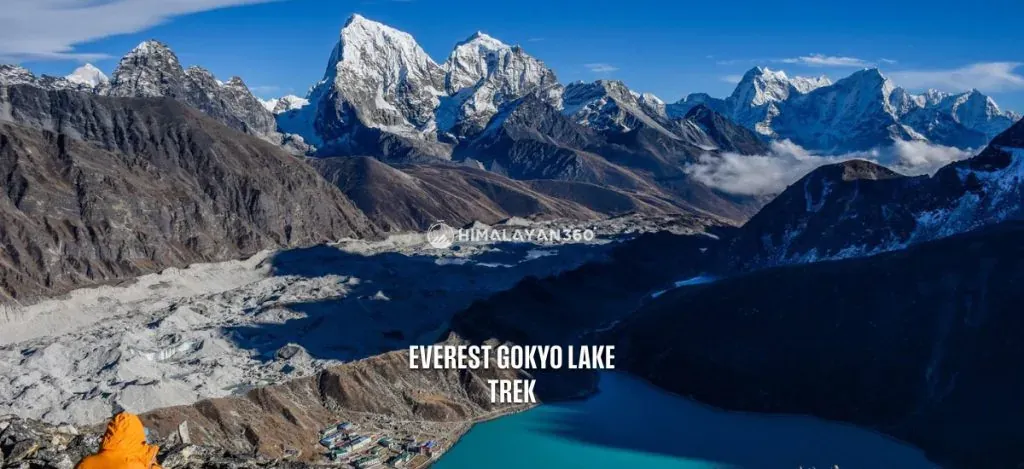
The Gokyo Lake Trek is another popular journey within Sagarmatha National Park. This trek follows the same initial route as the EBC trek from the Lukla airport and separates at Namche Bazaar. Within the park, the Gokyo trek is renowned due to its series of turquoise glacial lakes, which are considered the world’s highest freshwater lake system and are designated a Ramsar site.
- Costs USD 1710 – 2,000 per person
- Cross and walk alongside the Ngozumpa glacier (36 km), the longest glacier in Nepal
- Hike up to Gokyo Ri for a view of Everest, Lhotse, Makalu, and Cho Oyu
- Visit three of the main Gokyo lakes: Longpanga Tsho, Taujung Tsho, and Gokyo Tsho (Dudh Pokhari).


14 Days
Everest Base Camp Trek
$1,260
5.0(2 reviews)
Everest Base Camp Trek is every trekker’s dream adventure. It takes you right to the foot of the world’s tallest mountain, Mount Everest (8,848.86 m) at 5,364 meters. One of the best experiences is the early morning hike to Kala Patthar (5,545 meters), where you get incredible views of Everest, Lhotse (8,516 m), Nuptse (7,861 m), and other giant peaks. The best time to do the EBC trek is during Spring (March-May) and Autumn (September-November). You’ll follow the classic route through the Khumbu Valley, starting with green forests and terraced hills. As you go higher, the landscape changes to rocky alpine paths and glaciers. Along the way, you’ll cross famous suspension bridges, see flowing rivers, and walk near the massive Khumbu Glacier. Important landmarks include Namche Bazaar (a lively mountain town), Tengboche Monastery (a peaceful place with amazing mountain views), and memorial sites that honor climbers from the past. You will also pass through traditional Sherpa villages, offering a unique opportunity to experience the Nepali Sherpa culture and spirituality. Your trek begins with a thrilling flight from Kathmandu or Manthali to Lukla (2,840 meters), where the trail starts. From Lukla, you’ll take an easy walk to Phakding and then head to Namche Bazaar. After that, you will move on to Tengboche, Dingboche, and Lobuche, where the terrain gets rougher. The final part of the trek is the exciting hike to Everest Base Camp and the sunrise hike to Kala Patthar. At the end of the trek, you will carry unforgettable memories and a trekking experience that will last a lifetime.
13 Days
Gokyo Lake Trek
$1,200
5.0(7 reviews)
If you want to avoid the busier trails of the Everest region and hike on the rare and isolated ones, the 13-day Gokyo Lake Trek is a perfect adventure. Its remote routes go through dense forests to high meadows and glaciers to the less-traveled part of the region. Similarly, the trek allows you to trek within Sagarmatha National Park and see its various flora and fauna. Gokyo Valley is a less-explored part of the Khumbu region and is home to the world’s highest freshwater system, the Gokyo Lakes. The valley consists of six of the most picturesque and stunning lakes that sit at an elevation of 4700 to 5000 meters. The lake’s fresh turquoise waters will attract each traveler’s heart. Similarly, along the trail, you will visit many villages with traditional houses, monasteries, and beautiful hillside scenery. And your stay at small, locally run teahouses will offer genuine cultural immersion. Another exciting highlight of the trek is the stunning view of the environment and the mountains. On the Gokyo Lake trek, you will see the majestic Mount Everest, Nuptse, Lhotse, Makalu, Cho-Oyu, and more. The journey also offers a rare opportunity to see the largest glacier in the country, the Ngozumpa Glacier. Additionally, combining the Gokyo Valley Trek with the iconic Everest Base Camp is also an option. It perfectly combines adventure, nature, and culture in a single journey.
Inside Park Island Peak Climbing
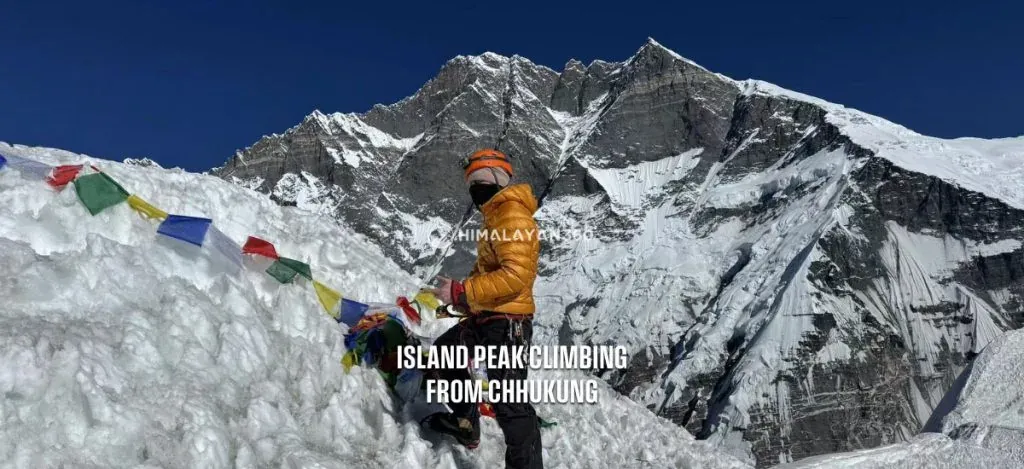
Island Peak Climbing (also known as Imja Tse climbing) is another renowned climbing adventure inside the National Park. The route begins at Lukla, then goes through Sherpa villages like Namche Bazaar and Dingboche, and eventually to Chhukung before heading to Island Peak Base Camp. The climb usually takes 14-16 days and is graded as challenging because it requires basic mountaineering skills like using crampons, ropes, and ice axes.
- Costs USD 2,751 – 2,800 per person
- Climb to the 6,189 m summit to enjoy the view of Lhotse Middle (8,414 m), Lhotse Shar (8,383 m), Mount Makalu (8,485 m), Baruntse (7,129 m), and Ama Dablam
- Learn basic mountaineering techniques under the guidance of experienced climbing Sherpas
- Acclimatize at Namche and Chhukung, and go for a side hike to Everest View Hotel, Khumjung Valley, and Chhukung Ri.
Everest Two Passes and Three High Passes Trek for More Adventure Seekers
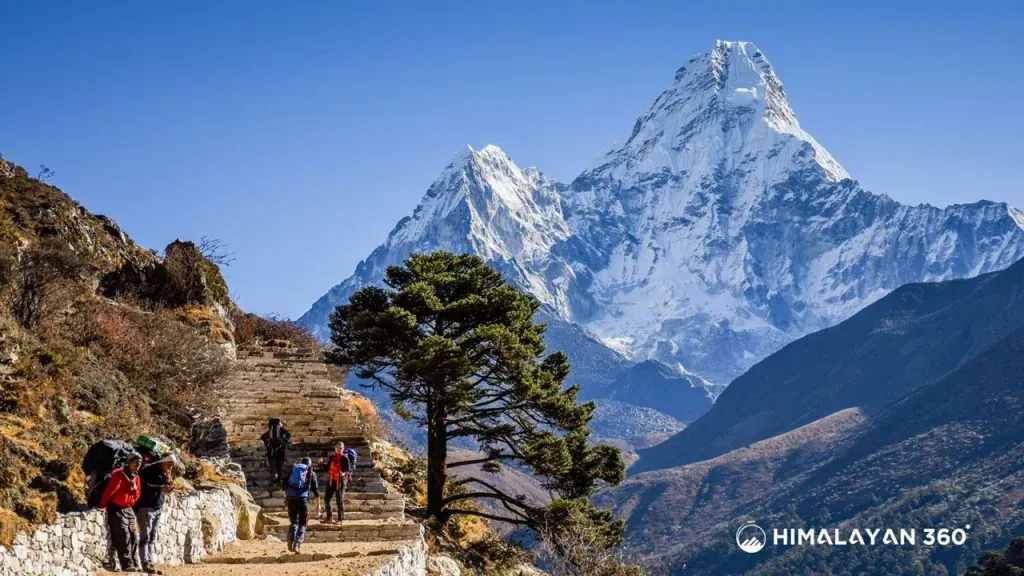
The Everest Two Passes and Three Passes Trek is one of the most adventurous routes within Sagarmatha National Park. It is designed for trekkers looking for a complete and challenging Himalayan experience. The journey lasts 16-18 days and is rated challenging due to high altitude, long walking days, and steep climbs.
- Costs around USD 1,550 for the Two Pass Trek and USD 1,885 for Three Pass Trek
- Cross three high mountain passes: Kongma La (5,535 m), Cho La (5,420 m), and Renjo La (5,360 m)
- Visit popular stops like Everest Base Camp, Gokyo Lakes, and Gokyo Ri in a single trek
- Discover traditional Sherpa villages, monasteries, and local lifestyles across the Khumbu region.
16 Days
Island Peak Climbing
$1,945
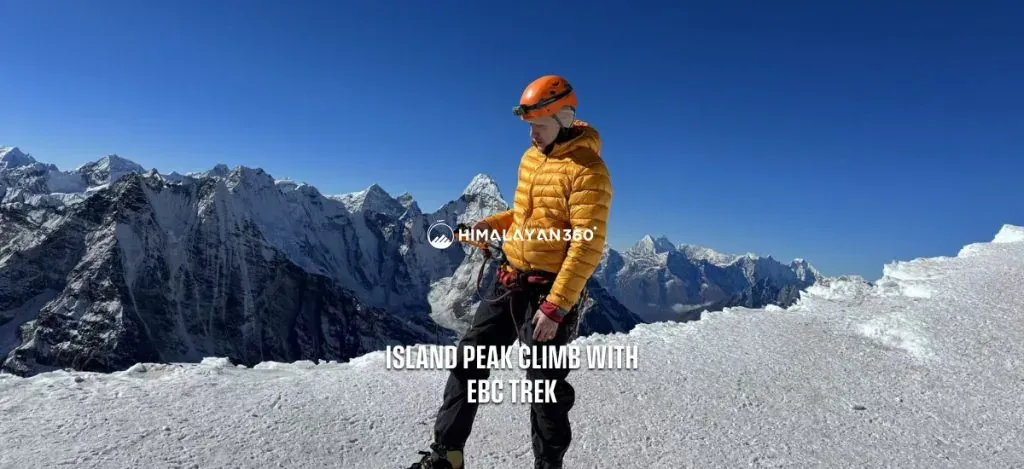
Island Peak Climbing is a thrilling Himalayan adventure that will take you to 6,189 meters in Nepal’s Everest region. Island Peak is also known as Imja Tse, where “Imja” refers to the valley and “Tse” means peak. Island Peak is a perfect climbing expedition for trekkers who want to do their first Himalayan summit without requiring advanced technical skills . This journey follows the classic Everest base camp trekking route through Namche Bazaar, Tengboche, and Dingboche. During the trip, you have a pre-climb training session at base camp to prepare you for the summit push. The climb itself is intense with many glacier crossings, fixed ropes, and a steep ice wall leading to the summit ridge. But the reward? Ethereal 360° views of Everest, Lhotse, Makalu, and Ama Dablam. With experienced Sherpa guides and a carefully paced itinerary, Island Peak Climbing offers the ideal blend of challenge, altitude, and high-mountain achievement.
18 Days
Everest Three High Pass Trek
$1,485
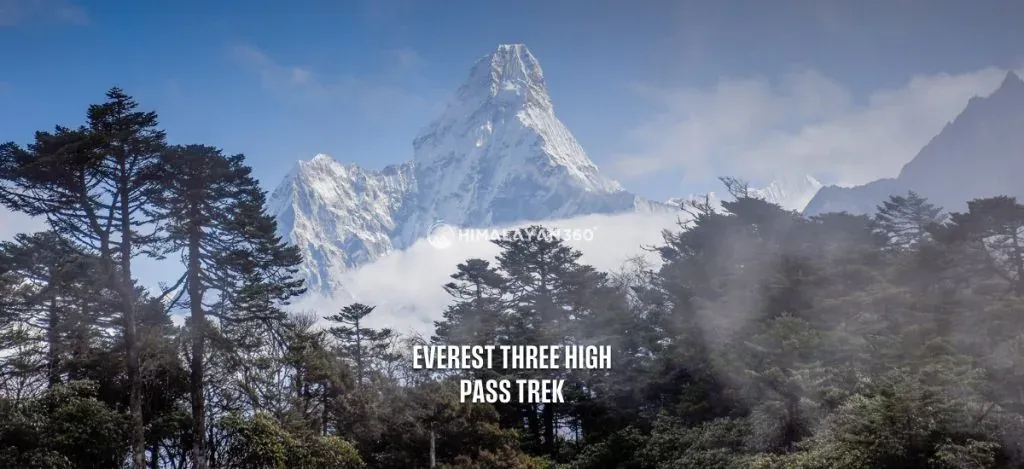
The Everest Three High Pass trek presents a challenging yet rewarding journey through the Khumbu region of Nepal. It involves crossing three Everest high passes: Kongma La, Cho La, and Renjo La. The route enters the Everest Base Camp and lovely Gokyo Valley, famous for its crystal-clear Gokyo lakes, Ngozumpa glacier, and panoramic view from Gokyo Ri. The trek begins along the classic Everest Base Camp (5,364m). Before reaching it, you face the first and toughest pass, Kongma La (5,535m). It is difficult to cross this rugged trail, but the views of the Khumbu Glacier, Nuptse, and surrounding peaks make every step worthwhile. Standing at Everest Base Camp afterward feels like a true reward, and a climb to Kala Patthar (5,550m) gives you the best sunrise over Everest itself. From here, the trail turns toward the second challenge, Cho La Pass (5,420m). This steep, icy route connects the Everest region with the stunning Gokyo Valley. The view from the top of Cho La Pass is simply great, with excellent sights of major peaks like Ama Dablam, Lhotse, and Cho Oyu. In Gokyo, you enjoy the serene Gokyo Lakes and the mighty Ngozumpa Glacier before facing the final pass, Renjo La (5,360m). This crossing offers some of the most breathtaking panoramas of the entire trek: Everest, Lhotse, Cho Oyu, and the turquoise lakes below. Throughout the trek, you also experience the lively Sherpa culture, stay in traditional villages, and witness life in the high Himalayas. and the scenic Himalayan vistas. The Everest Three Pass Trek includes the peaceful beauty of the Gokyo Lakes, the thrill of crossing three high mountain passes, and the fulfillment of attaining the Everest Base Camp trek. It is a high-altitude trek suitable for experienced trekkers who want to push beyond the usual trails and explore the wilder side of the Himalayas.
How Many Days Do You Need in Sagarmatha National Park?
Ten to fourteen days from Lukla is the realistic minimum for a trek that reaches Everest Base Camp and back with the acclimatization days built in. Nothing inside the park can be done quickly, because the schedule is set by how fast a body adapts to altitude rather than by how far you can walk. The table below puts the main routes side by side.
| Route | Days from Lukla | Highest point | Grade |
|---|---|---|---|
| Everest Base Camp Trek | 10 to 14 | Kala Patthar, 5,545 m | Moderate to challenging |
| Gokyo Lake Trek | About 13 | Gokyo Ri | Moderate to challenging |
| Island Peak Climbing | 14 to 16 | Island Peak summit, 6,189 m | Challenging, basic mountaineering skills needed |
| Everest Two Passes Trek | 16 | Kongma La, 5,535 m | Challenging |
| Everest Three High Passes Trek | 18 | Kongma La, 5,535 m | Challenging |
| Jiri to the park on foot | 7 to 11 extra days | Lamjura La | Demanding, long approach |
Add a day at each end for the Kathmandu flights. A cancelled Lukla flight is a normal event rather than an unlucky one, and a trip planned with no slack is a trip that gets cut short at the wrong end. Whatever route you pick, the risk that shapes the itinerary is altitude, not distance, so it is worth reading how to prevent altitude sickness before you fix your dates.
Best Time to Visit Sagarmatha National Park
Spring, March to May, and autumn, September to November, are the two seasons worth planning around. They are when the weather is stable enough for the Lukla flights to run on schedule and clear enough for the mountains to actually be visible, which is the whole point of coming.
- Spring (March to May): warming days, long daylight, and the season the climbing expeditions occupy Everest Base Camp. Lower forests are at their best and the higher trails are clear of the deepest winter snow.
- Autumn (September to November): the air is washed clean by the monsoon that has just ended, which makes it the most reliable season for the long views from Kala Patthar and Gokyo Ri.
- Monsoon (June to August): heavy cloud, wet trails and frequent flight cancellations. The park is green and empty, but the peaks are mostly hidden.
- Winter (December to February): cold and often clear, but high passes such as Cho La and Renjo La can be blocked by snow and many high teahouses close.
Book flights and lodges well ahead for spring and autumn. These are also the months when Kathmandu to Lukla seats sell out and operators reroute clients through Manthali in Ramechhap instead.
Main Highlights of Sagarmatha National Park
Sagarmatha National Park is home to high mountain landscapes, Sherpa culture, and a unique high-altitude ecosystem. The park offers much more than the Everest Base Camp trek, with a variety of attractions that attract trekkers, climbers, and cultural explorers. Here are some main highlights:
Khumbu Glacier at the Park’s Center
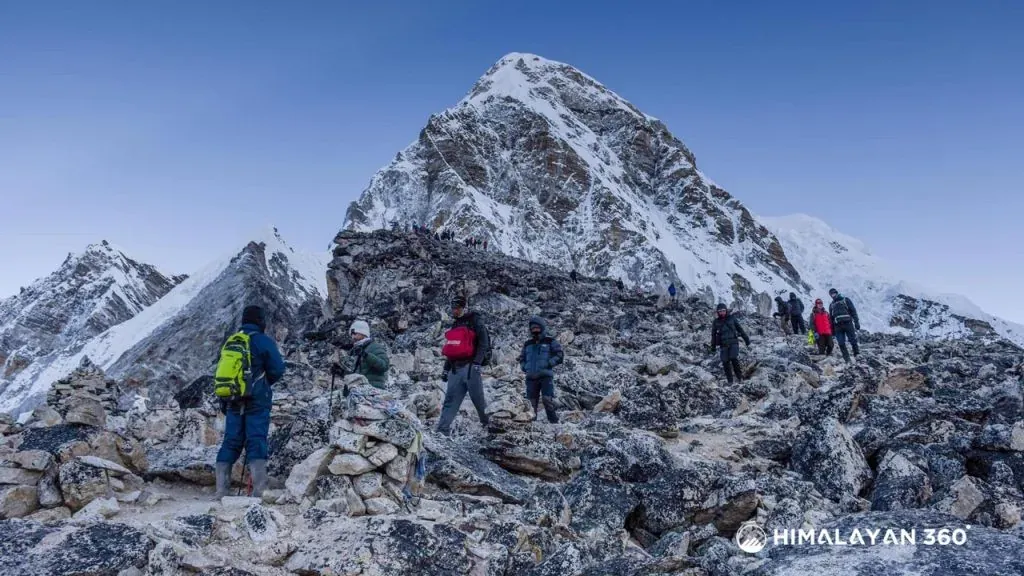
Khumbu Glacier is the highest glacier in Nepal. It is located in the center of Sagarmatha National Park and originates from the Western Cwm, a valley between Mount Everest and Lhotse-Nuptse ridge. The Khumbu glacier is 17 km long, with elevations ranging from 4,900 m to 7,600 m. One of the most noticeable features of the glacier is the Khumbu Icefall. Most of the trekkers and mountaineers visit the Everest region just to see it.
Gokyo Lakes: High Altitude Fresh Water
The Gokyo Lakes are a system of six main high-altitude freshwater lakes located in the Khumbu region of Sagarmatha National Park. Lying between 4,700 and 5,000 m, they are fed by the meltwater of the Ngozumpa glacier. The lake provides a vital high-altitude wetland ecosystem and habitat for various alpine flora and fauna. In 2007, the Gokyo Lakes and surrounding wetlands were named as a Ramsar site for their international importance in conservation and biodiversity.
Panoramic View of Mount Everest and Other High Peaks
There are several locations within the park that offer a panoramic view of Mount Everest and the surrounding peaks. From Kala Patthar, you can see Nuptse, Lhotse, Pumori, and Changtse. From Gokyo Ri, you can see Lhotse, Makalu, and Cho Oyu. From Hotel Everest View, you can see Ama Dablam, Lhotse, Thamserku, and from Renjo La Pass, you can see Cho Oyu, the Mahalangur Himal range, and Everest. These are the main viewpoints for observing tall mountains in a single frame.
Kalapatthar Sunrise View
Kala Patthar (5,545 m) is one of the most popular vantage points in Sagarmatha National Park. From the top, trekkers can witness the beautiful sunrise view when the first golden rays illuminate Everest, Lhotse, Nuptse, and Ama Dablam. The hike to Kala Patthar begins from Gorak Shep, the highest village on the trail, around 4:00 to 5:00 a.m. The view of Kala Patthar is appreciated because, unlike from EBC, the summit of Mount Everest is not obstructed by the Nuptse wall.
Tengboche Monastery: A Formal Religious Experience at High Altitude
Tengboche Monastery is a renowned Tibetan Buddhist monastery situated at 3,867 m within the park. The monastery is famous for its location on a hill, with the Ama Dablam forming a backdrop. Trekkers often stop here to receive blessings for a safe journey to the Everest region and back. The monastery is home to a large statue of Shakyamuni Buddha (often two stories tall), along with a smaller statue of Guru Rinpoche (Padmasambhava) and Manjushri.
Himalayan Wildlife and Biodiversity
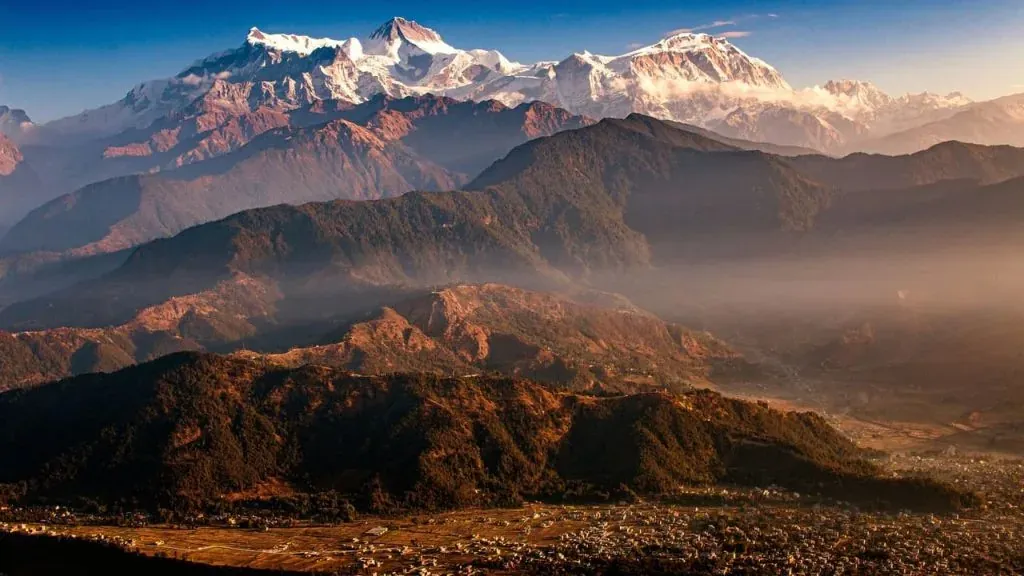
Sagarmatha National Park is not only famous for its 8,000 m peak but also for its rich wildlife and biodiversity. It is an important Bird Area (IBA) and is home to over 200 species of birds, at least 26 species of mammals, and 865 species of plants. Rare and endangered species include the snow leopard, red panda, Himalayan tahr, musk deer, Himalayan black bear, Himalayan serow, and langur monkeys. High altitude birds such as the Himalayan monal, blood pheasant, snowcock, bearded vulture, and bar-headed goose are also commonly found.
The plant life in the park changes with the elevation, creating different vegetation zones. The lower regions up to 3,000 m are full of pine, hemlock, and fir forests. As you ascend (3,000-4,000 m), the forest gives way to birch, juniper, and scrub rhododendron. Above treeline between 4,000-5,000 m, the landscape is dominated by alpine meadows, hardy grasses, and shrubs that can survive the harsh conditions. Above 5,000 m, the zone consists of bare rock, glaciers, and permanent ice.
Everything found in the park is there on thin margins, and the living beings that hold on above 4,000 m do it with adaptations that lowland animals never needed. Trekkers and nature enthusiasts visiting the region can observe these species in their natural environment. These ecosystem makes the park a key destination for wildlife appreciation and ecological study in the Himalayas.
What are the Permit Requirements for Visiting Sagarmatha National Park
Two permits are required, and neither can be skipped: the Sagarmatha National Park entry permit and the Khumbu Pasang Lhamu Rural Municipality permit. Both are checked on the trail, the national park permit at the park gate above Lukla and the municipality permit on the way in. Since 2023, foreign trekkers inside Nepal's national parks must also walk with a licensed guide, which is normally arranged together with the permits.
| Permit Name | Purpose | Cost (Nepalese Nationals) | Cost (SAARC Nationals) | Cost (Other Foreign Nationals) |
| Sagarmatha National Park Entry Permit | Required to enter the park and trek inside | NPR 100 (USD 0.71) | NPR 1,500 (USD 10.65) | NPR 3,000 (USD 21.3) |
| Khumbu Pasang Lhamu Rural Municipality Permit | Needed for Local government regulation | NPR 3,000 (USD 21.3) | Same as Nepalese Citizens | Same as Nepalese Citizens |
Note: As of the 2025 season, a TIMS card is not required to trek in Sagarmatha National Park. It was replaced by the local permit (Khumbu Pasang Lhamu Rural Municipality) system for the Everest region. Confirm the current rule with your operator before you travel, as Nepal's permit rules change between seasons.
Tips for Visiting Sagarmatha National Park
Before Visiting:
- Check health and fitness: Ensure you are physically prepared for high-altitude trekking and consult a doctor if needed
- Plan your route: Decide whether you’ll trek via Lukla, Jiri, or another route, and book flights or transport accordingly. You can book with us, and we’ll manage all the route and transportation options for you.
- Pack essential gear: Prepare trekking boots, warm clothing, backpacks, and other necessary equipment before departure.
- Arrange insurance: Get travel and trekking insurance that covers high-altitude trekking and emergencies.
During the Visit:
- Follow park rules: Respect Sagarmatha National Park regulations, stay on marked trails, and avoid disturbing wildlife.
- Acclimatize properly: Take rest days at higher altitudes to help your body adapt to the thin air.
- Monitor your health: Watch for symptoms of altitude sickness, fatigue, or dehydration, and inform your guide
- Keep the environment clean: Avoid littering and use eco-friendly practices to protect the natural beauty of the park.
After Visiting:
- Share your experience: Document your trek photos, videos, or a travel journal to inspire others
- Provide feedback: Leave reviews for guides, lodges, or trekking companies to help future travelers
- Support local communities: Purchase handicrafts or souvenirs from Sherpa artisans to contribute to the local economy
- Plan your next adventure: Use your experience to prepare better for future treks or mountaineering trips in the Himalayas.


16 Days
Everest Two Passes Trek
$1,410
The Everest Two Passes Trek is a challenging trek in the Everest region that takes you across two high mountain passes, Kongma La Pass (5,535M/18,160FT) and Cho La Pass (5,368M/17,512FT). You will also reach two of the best viewpoints, Kala Patthar (5,555M/18,225FT) and Gokyo Ri (5,357M/17,575FT), while also standing at the world-famous Everest Base Camp (5,364M/17,598FT). The journey is best for trekkers who are fit and well-prepared, as the Everest Two Pass trek trail includes steep climbs and high-altitude walks. In return, you get incredible views of four of the tallest mountains on earth: Mount Everest, Lhotse, Makalu, and Cho Oyu. The trek route also takes you through peaceful valleys like Dole and Gokyo, which are known for their quiet beauty and remote atmosphere. The journey begins with a short flight to Lukla and then continues on foot through Phakding, Namche Bazaar, Tengboche, Dingboche, and Chhukung. From Chhukung, the trail climbs higher to cross Kongma La before reaching Chhukung. The trail then leads to Gorak Shep. From Gorak Shep, you will visit Everest Base Camp, where climbers set up their tents before starting their climb to the summit, and hike to Kala Patthar, one of the most popular Everest viewpoints. After exploring the Everest Base Camp area, the journey continues over another pass, Cho La Pass, which connects the Everest and Gokyo valleys. Crossing this pass gives you incredible views of Himalayan peaks and Gokyo lakes before descending into the beautiful Gokyo Valley. In Gokyo, you can visit the turquoise Gokyo Lakes and climb Gokyo Ri, which many trekkers consider the best spot in the Everest region to see the whole Himalayan range. The return journey follows the Everest trekking route down the Gokyo Valley through villages like Dole, Namche Bazaar, and finally returns to Lukla. From Lukla, you fly back to Kathmandu with unforgettable memories.
Everest Base Camp Trek With Helicopter Return


11 Days
Everest Base Camp Trek With Helicopter Return
$2,150
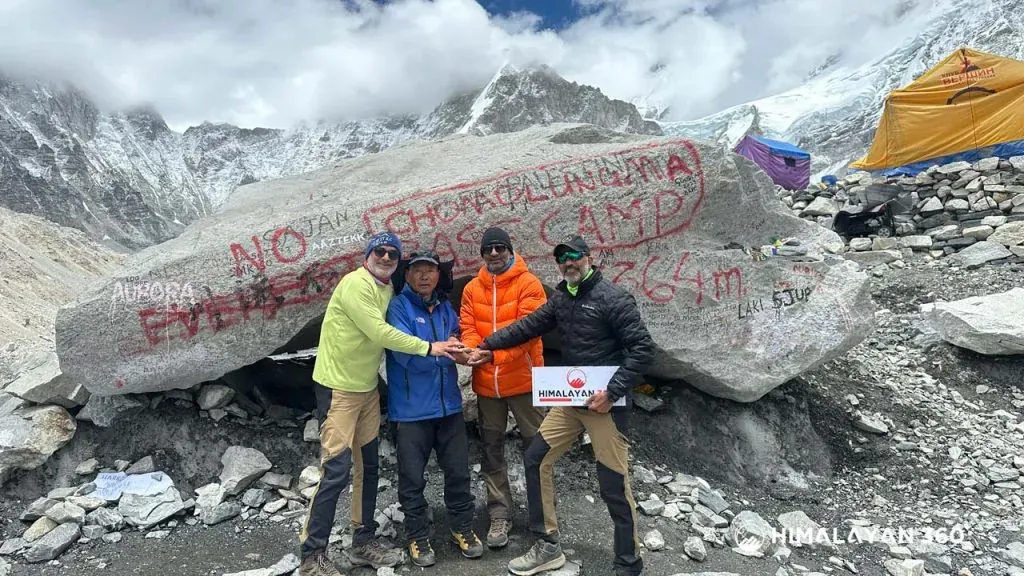
The Everest Base Camp Trek with Helicopter Return is the perfect way to experience the adventure and comfort in Nepal’s most iconic Everest trekking region while saving time and energy. Normally, the full round-trip to Everest Base Camp from Lukla takes about 12 days to 16 days, covering 130 kilometers. But with this Everest Base Camp Trek with a Helicopter Return Trip, you hike only about 65 kilometers to reach Everest Base Camp. Instead of trekking back, you take a helicopter from Gorak Shep to return to Kathmandu. This means you skip the long, tiring return walk without missing any of the important sights. The EBC Trek with Helicopter Return Route is more than just a shortcut and a luxury. It adds a new level of experience. From above the sky, you’ll see the Khumbu Glacier, mountain valleys, and the very trails you walked on. Flying over Mount Everest and nearby peaks gives you unforgettable aerial views that most trekkers don’t get. Not to mention, even with a shorter trek, you still get the full Everest experience. You will pass through Sagarmatha National Park, where you’ll spot wildlife and beautiful alpine landscapes. You’ll also visit lively Sherpa villages like Namche Bazaar and Tengboche, explore ancient monasteries, and enjoy warm local hospitality. In less time, you’ll stand at Everest Base Camp and take in the incredible Himalayas, ending your journey with a smooth and memorable helicopter flight home. This trek is a great choice for people who are short on time or want to reduce the physical stress of a full round-trip hike to EBC.
 Trek
Trek By air
 Pilgrimage
 Festivals
 Wildlife
 Luxury
 Yoga
Yoga Food
Food Heritage