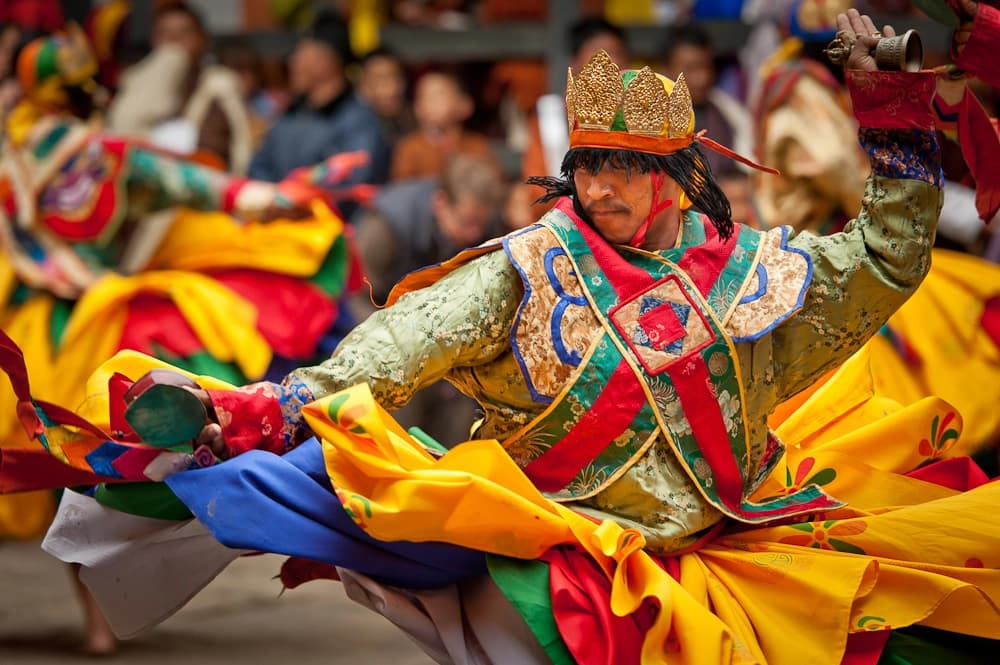
Why Choose a Bhutan Tour?
Bhutan, also known as the “Land of the Thunder Dragon,” is a place where ancient traditions and a clean, carbon-negative environment are preserved. Tours to Bhutan are focused on the western and central regions, where you’ll find mountains, cultures, and spiritual sites. Many people chooses tour in Bhutan for the following reasons:
- Gross National Happiness (GNH): Bhutan focuses on happiness rather than just economic growth by creating a positive atmosphere for visitors.
- World’s Only Carbon-Negative Country: With over 70% of its land covered in forest, Bhutan absorbs more carbon dioxide than it produces.
- Traditional Way of Life: Traditions are part of daily life here. People still wear the national dress (Gho and Kira) and practice Buddhist cultures.
- Uncrowded Sites: Due to controlled tourism, you can visit places like Tiger’s Nest Monastery and Punakha Dzong without heavy crowds.
- Famous Himalayan Treks: Explore beautiful trails such as the Druk Path Trek or test yourself with the Snowman Trek.
- Adventure Activities: Bhutan also offers rafting in rivers like Pho Chhu and Mo Chhu, mountain biking, and even the chance to try archery (the national sport).
Top Bhutan Tour Itineraries
Bhutan offers a variety of tour itineraries for different travel styles, time frames, and interests. Some of the most popular options are the Druk Path Trek, the cultural Classical Bhutan Glance Tour, and flexible 4–7-day Bhutan tours. Adventure lovers can enjoy trekking routes like Druk Path, while families and first-time visitors can do shorter cultural tours. Below, we have discussed each itinerary in detail.
7 Days Bhutan Tour
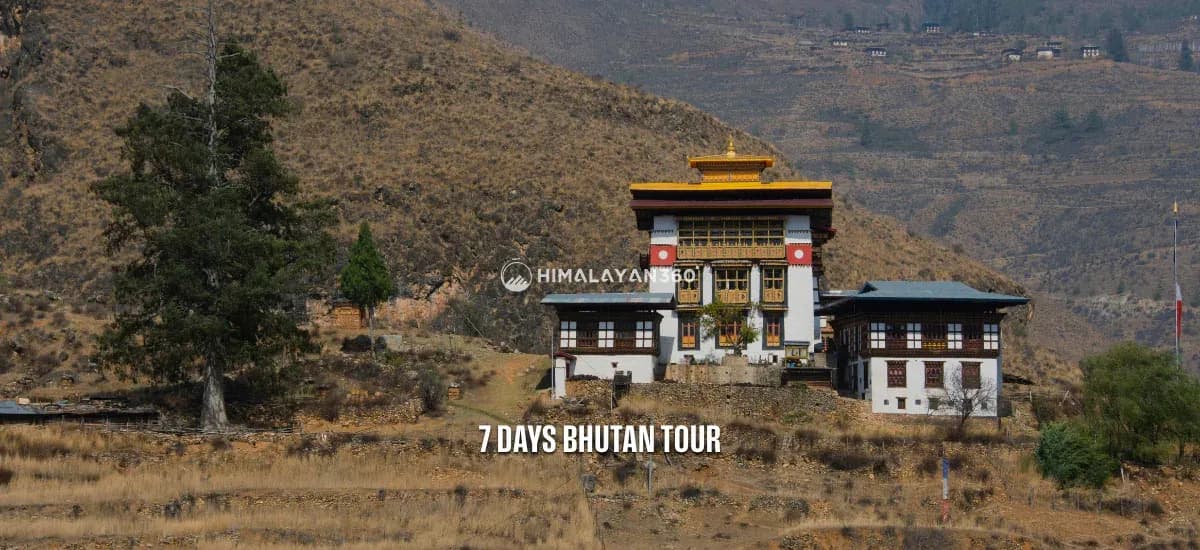
A 7-day Bhutan tour is one of the most popular itineraries, which covers main destinations like Paro, Thimphu, Punakha, and Wangdue Phodrang. People choose this itinerary to hike to Tiger’s Nest Monastery, visit Punakha Dzong and Tashichho Dzongs, and drive via Dochula Pass. The tour also includes cultural sites such as Buddha Dordenma, National Memorial Chorten, and the fertility temple Chimi Lhakhang.
- Duration: 7 days
- Approximate cost: USD 1,970 – 1,290 per person
- Difficulty: Easy
- Best season: Mar, Apr, May, Sept, Oct, Nov, Dec
- Permits: Bhutan visa, Sustainable Development Fee (SDF), and route permits arranged through a licensed tour operator
- Sale Discount: ~26%
6 Days Bhutan Tour
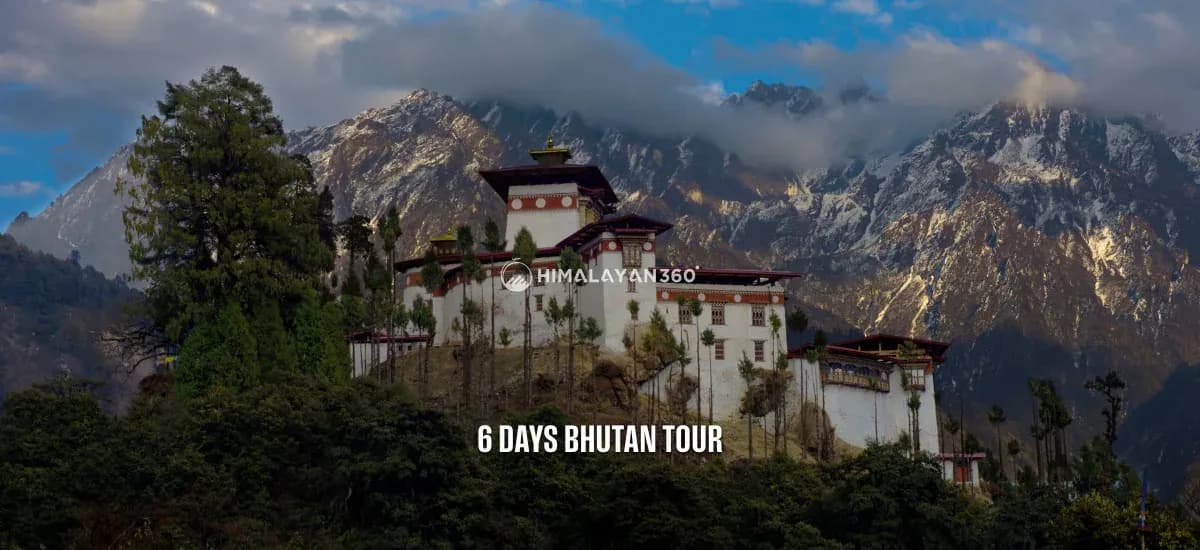
A 6-day Bhutan tour is a short itinerary that covers destinations like Paro, Thimphu, Punakha, and Wangdue Phodrang without extending the stay in Punakha. It is famous for showcasing Bhutan’s culture, religion, and lifestyle in a shorter duration. Travelers pick this tour to explore Punakha Dzong, Tashichho Dzong, Dochula Pass with its 108 chortens, Buddha Dordenma, National Memorial Chorten, and Chimi Lhakhang within a shorter timeframe.
- Duration: 6 days
- Approximate cost: USD 1,730 – 1,044 per person
- Difficulty: Easy
- Best season: Mar, Apr, May, Sept, Oct, Nov, Dec
- Permits: Bhutan visa, Sustainable Development Fee (SDF), and route permits arranged through a licensed tour operator
- Sale Discount: ~25%
5 Days Bhutan Tour
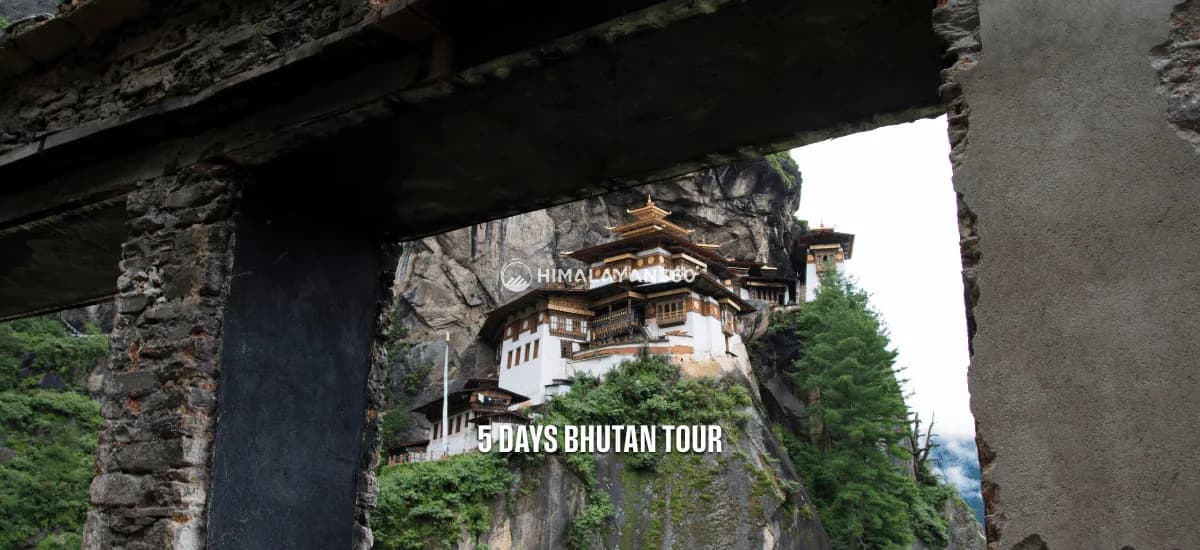
A 5-day Bhutan tour is an efficient itinerary that covers the important places of Paro and Thimphu with a day trip to Punakha. It is maintained as 2 nights in Thimphu and 2 nights in Paro. This tour is perfect for travelers with limited time who still want to experience the culture of Bhutan without long travel days. On this tour, you’ll hike to Tiger’s Nest Monastery, explore Tashichho Dzong, and drive to Punakha Dzong during the day trip.
- Duration: 5 Days
- Approximate Cost: USD 1,385 – 999 per person
- Difficulty: Easy (short hikes and comfortable travel)
- Best Season: Mar, Apr, May, Sept, Oct, Nov, Dec
- Permits: Bhutan visa, Sustainable Development Fee (SDF), and route permits arranged by a licensed tour operator
- Sale Discount: ~18%
Druk Path Trek
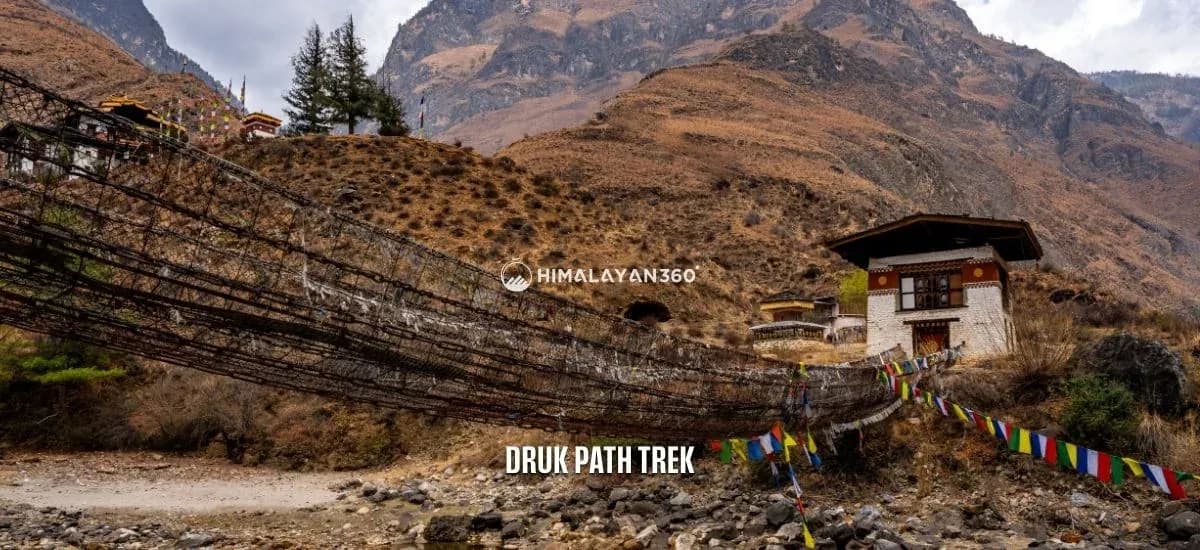
The Druk Path Trek is an adventure-focused Bhutan itinerary that combines trekking with cultural visits. It covers destinations like Paro, Thimphu, Punakha, and the region near Jomolhari. Unlike standard cultural tours, this trek includes a tented trek and a visit to the Tiger’s Nest Monastery. It is popular among adventure travelers who want physical challenge and cultural exploration. You’ll cross passes like Phume La Pass, camping near lakes like Jimilang Tsho, and ending the trek in Thimphu. The itinerary includes 3-star hotel stays in cities and cottage tent camps during the trekking section.
- Duration: 8–10 Days
- Approximate Cost: USD 2,113 – 1,686 per person
- Difficulty: Moderate
- Best Season: Mar–May and Sept–Nov
- Permits: Bhutan visa, Sustainable Development Fee (SDF), trekking permits, and camping logistics arranged by a licensed tour operator
- Sale Discount: ~14%
Top Bhutan Destinations Included in Tours
Most Bhutan Tours follow a route of the western valleys of Paro, Thimphu, and Punakha. These locations offer everything you need to explore within the country, from Wangdue Phodrang to Tiger’s Nest Monastery, Punakha Dzong, and Tashichho Dzong, along with monasteries and local markets. For first-time travelers, these destinations are a must-visit. Let’s go into detail with some top destinations.
Tiger’s Nest Monastery
The Tiger’s Nest Monastery, also called Paro Taktsang, is the most famous landmark in Bhutan. It is located on a cliff about 900M (3,000FT) above the Paro Valley. It is believed that Guru Padmasambhava (Guru Rinpoche), who brought Buddhism to Bhutan, flew to this site on the back of a tigress in the 8th century to meditate in a cave for three years.
It is an uphill climb through pine forests covered with Spanish moss and prayer flags. Once you reach the monastery, you’ll explore small temples and the meditation cave. Before entering the area, all electronic devices, phones, and cameras must be left in lockers at the entrance.
Thimphu & Local Markets
In Thimphu, modern life and old tradition are most visible in its markets. The Centenary Farmers Market is the largest domestic market in Bhutan and a must-visit on any itinerary. Located near the Wang Chhu River, this multi-story market is where farmers from across the country gather to sell organic products.
You can look for local delicacies like dried yak cheese (chugo), strings of bright red dried chilies, forest-harvested fiddlehead ferns, and pink Bhutanese red rice. You can also find eco-friendly bamboo huts near Norzin Lam (the main street) and silk products at the Gagyel Lhundrup Weaving Center.
National Museum of Bhutan
The museum is located in Ta Dzong, a round watchtower built in 1649 to protect Paro Rinpung Dzong from Tibetan invasions. Its unique conch-shell shape and thick stone walls make it an important architectural landmark.
The museum has a large collection of over 1,500 years of Bhutanese history. It includes Buddhist scroll paintings in the Thangka Gallery, daily life items in the Heritage Gallery, collections of plants and animals in the Natural History section, and Bhutan’s unique stamp designs in the Philatelic Gallery.
Punakha Dzong
Punakha Dzong, also known as Pungthang Dewa Chhenbi Phodrang (The Palace of Great Happiness), is considered one of the most beautiful fortresses in Bhutan. It is located at the meeting point of the Pho Chhu (Male) and Mo Chhu (Female) rivers. It was the capital of Bhutan for over 300 years and is still an important royal site today.
It was built in 1637 by Zhabdrung Ngawang Namgyal, the unifier of Bhutan. It is the second oldest and second largest dzong in the country. Every King of Bhutan has been crowned here since the first, Ugyen Wangchuck, in 1907. It was also the venue for the current King’s royal wedding in 2011.
The Sustainable Development Fee (SDF)
In 2023, the Bhutanese government adjusted the SDF to encourage more visitors while maintaining its conservation goals. Currently, the fee is set at USD 100 per person, per night for most international tourists. This fee goes directly toward funding free education, healthcare, and infrastructure for the Bhutanese people, as well as maintaining the carbon-neutral status. Let’s have a look at the fee table for SDF.
| Category | SDF per Night (USD) | Validity |
| Adults (Ages 12+) | 100 | Until 31 Aug 2027 |
| Children (Ages 6–11) | 50 | Until 31 Aug 2027 |
| Children (Under 6) | Exempt | Ongoing |
| Indian Nationals | 12.85 | Ongoing (Verified) |
Requirements for Entry in Bhutan
You cannot simply show up in Bhutan with a backpack. All visitors (except those from India, Bangladesh, and the Maldives) must obtain a visa in advance.
- Visa Application: This is processed through a licensed tour operator or directly via the Department of Immigration portal.
- The USD 40 Visa Fee: This is a one-time, non-refundable fee.
- Mandatory Guide: While you have more freedom now to choose your own hotels and restaurants than in previous years, you are still required to have a licensed guide for any travel outside of Thimphu and Paro.
Booking & Travel Tips
Planning your Bhutan trip the right way provides you a smooth and stress-free experience. Here are some practical tips to help you prepare better:
- Book Through a Licensed Tour Operator: Bhutan requires travelers to book via authorized operators for permits, visas, and itinerary arrangements.
- Currency & Payments: The local currency is Ngultrum (BTN), which is equal in value to Indian Rupees.
- ATM Access: ATMs are available in towns like Thimphu and Paro, but they may not always work nicely in remote areas.
- Travel Insurance: Not mandatory for visa processing (as of 2026), but strongly recommended
- Pack Smart: Bring comfortable walking shoes, multi-layer clothing, and a personal hygiene kit
- Plan in Advance: Popular seasons fill quickly, so book at least 1–2 months early.
Your Bhutan Journey Awaits
Bhutan tours give you a rare opportunity to see a world that has preserved its culture and way of life despite modern changes. Whether you are visiting centuries-old fortresses or sharing butter tea with a local farmer, you can find peace everywhere.
Ready to explore the “Land of the Thunder Dragon”? Check out our itinerary for the best Bhutan tours at Himalayan 360, and let us take care of the SDF payments and visa permits so you can enjoy your journey without worry.

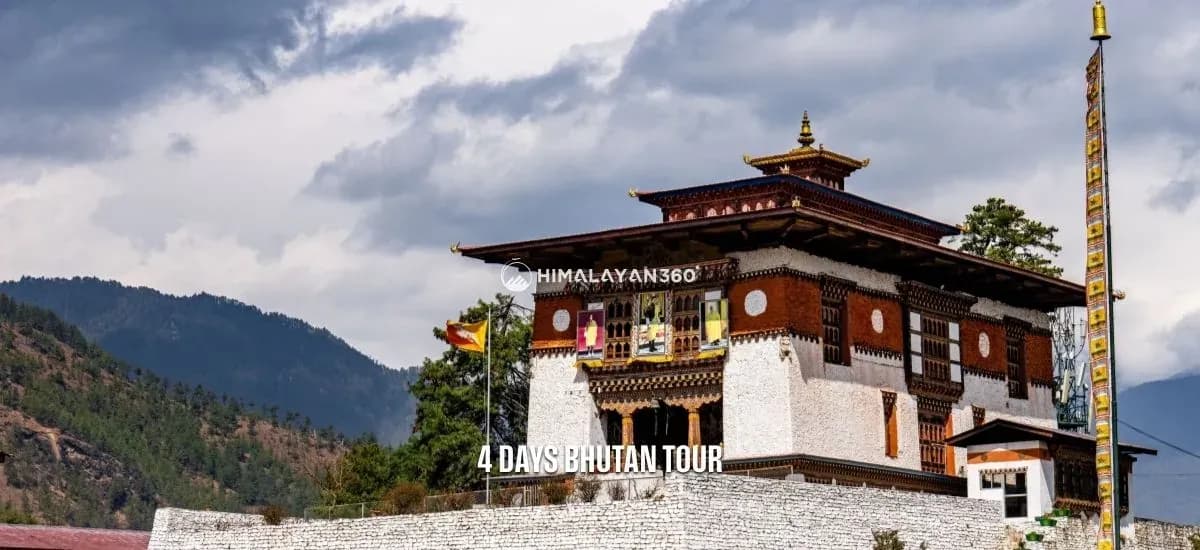
 4Days
4Days 3,120m
 Easy
Easy