- Attraction of the day: Sarangkot, Davi’s Fall, Gupteshwore cave, Peace Pagoda, and Phewa lake
We’ll rise early and head towards Sarangkot for breathtaking panoramic views of the Himalayas as the sun rises, casting a golden glow over the mountains. Afterward, we’ll spend the day exploring the stunning city of Pokhara. We’ll visit the captivating Devi’s Fall, the mysterious Gupteshwar Cave, and the peaceful Peace Pagoda. To end the day, we’ll enjoy a relaxing boat ride on the calm waters of Phewa Lake, taking in the serene beauty of this lakeside paradise.
Sarangkot – A Panoramic View of Pokhara
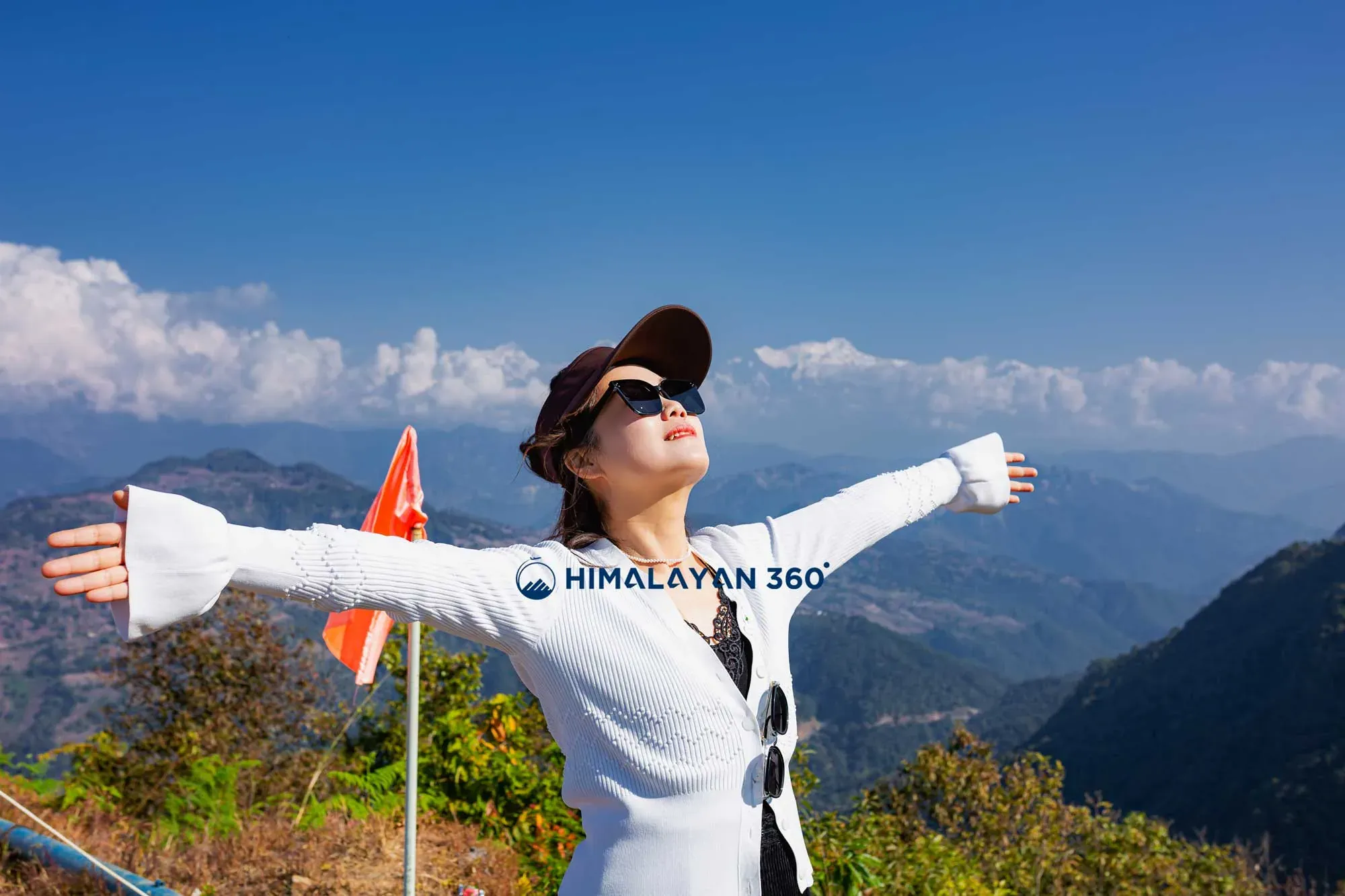
Sarangkot, a hilltop village above Pokhara, offers stunning views of the Dhaulagiri, Annapurna, and Manaslu ranges, along with Pokhara city and Phewa Lake. It’s believed that tourism in Sarangkot grew with Pokhara, attracting trekkers since the 1950s. By the 2000s, it had become famous for its sunrise views and paragliding, thanks to improved infrastructure and the growth of adventure tourism.
Further, Sarangkot is home to the Sarangkot Shiva Temple, a primary Hindu pilgrimage site, as well as a Tibetan Buddhist monastery. The area also has Tibetan refugee settlements, blending Hindu and Buddhist spiritual heritage. It’s also known for its sustainable tourism and focus on preserving natural beauty and local culture.
Devi’s Fall & Gupteshwor Cave – Nature’s Wonders
Devi’s Fall, also called Patale Chhango, and the nearby Gupteshwor Cave draw many visitors each year for their mystical charm and religious importance. Devi’s Fall is an impressive waterfall where the Pardi Khola stream disappears underground.
Gupteshwor Mahadev Cave was discovered in the 16th century, featuring a Shiva statue, and has since become a revered pilgrimage site for Shiva devotees. Gupteshwor Cave has narrow paths, a Shiva Lingam, and statues of Hindu gods. The cave is lit with electric lights, and a waterfall flows through it, with round stairs at the entrance.
World Peace Pagoda – Purity and Tranquility
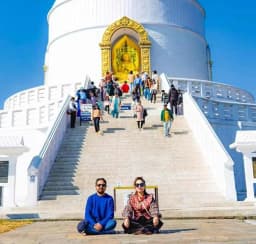
The World Peace Pagoda was constructed to promote global peace following World War II. It was introduced by Nichidatsu Fujii, founder of the Nipponzan-Myohoji Buddhist organization. The stupa is Nepal’s first World Peace Pagoda, featuring two tiers that allow tourists and religious visitors to circumambulate. Moreover, travelers can witness the stunning views of Phewa Lake and the Annapurna range from the pagoda.
Phewa Lake – A Must-Visit Destination in Pokhara
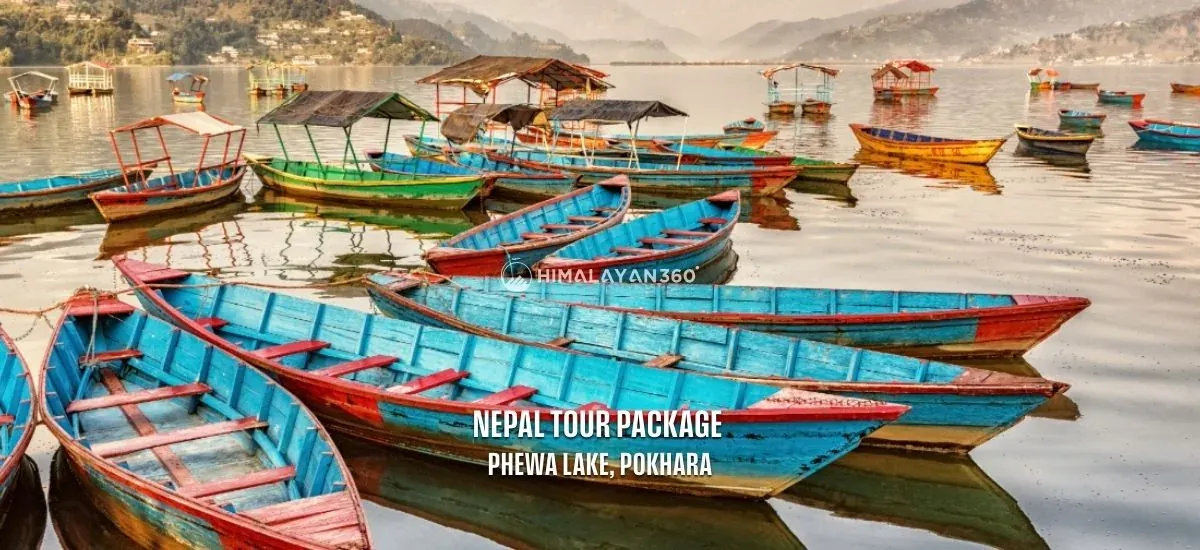
Phewa Lake is a serene freshwater lake in Pokhara, reflecting Mount Annapurna. It is Nepal’s second-biggest lake and provides an unforgettable boating experience. Phewa Lake is believed to have been formed naturally and was once a vital water source. It is now popular in Pokhara, with lakeside resorts and boating facilities developed to cater to tourists.
Phewa Lake’s shining waters reflect the surrounding mountains, and the iconic Tal Barahi Temple in the middle adds a spiritual touch. Both Hindus and Buddhists visit the temple to worship Goddess Varahi, an avatar of Goddess Durga. It has a two-story pagoda temple with a main shrine built in the traditional pagoda style.








 1 Day
1 Day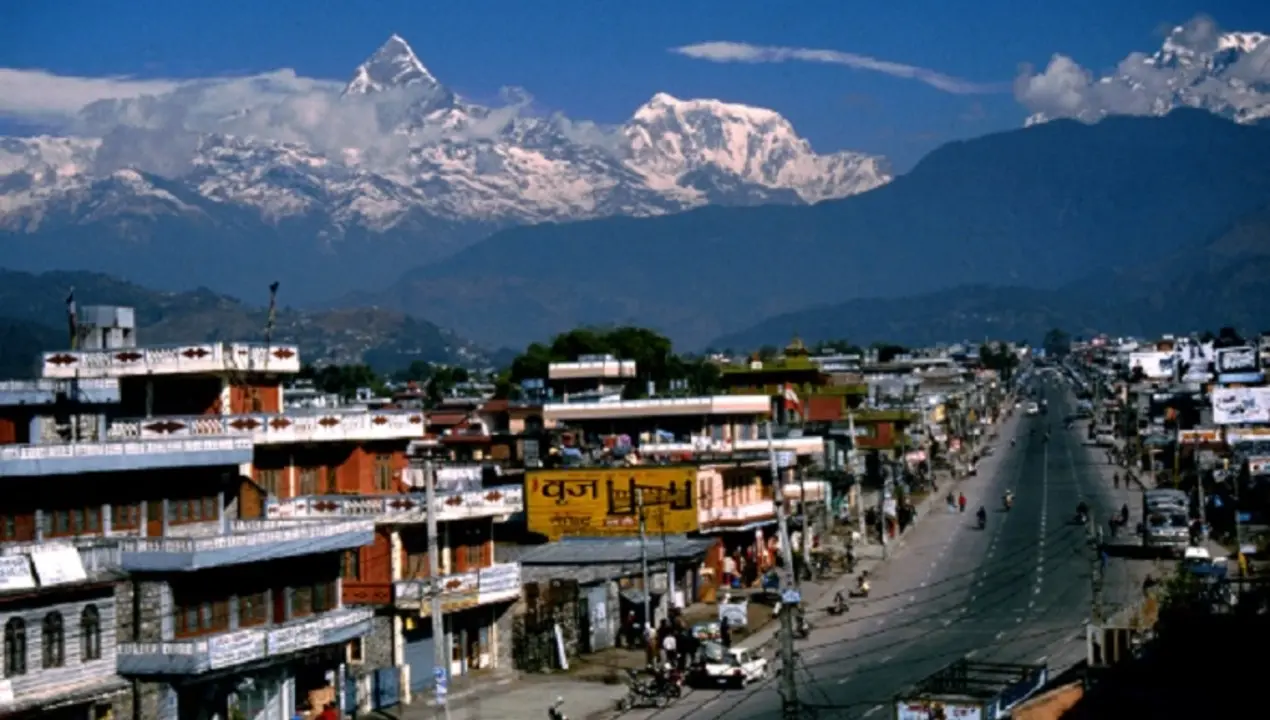
 Trek
Trek By air
 Pilgrimage
 Festivals
 Wildlife
 Luxury
 Yoga
Yoga Food
Food Heritage