
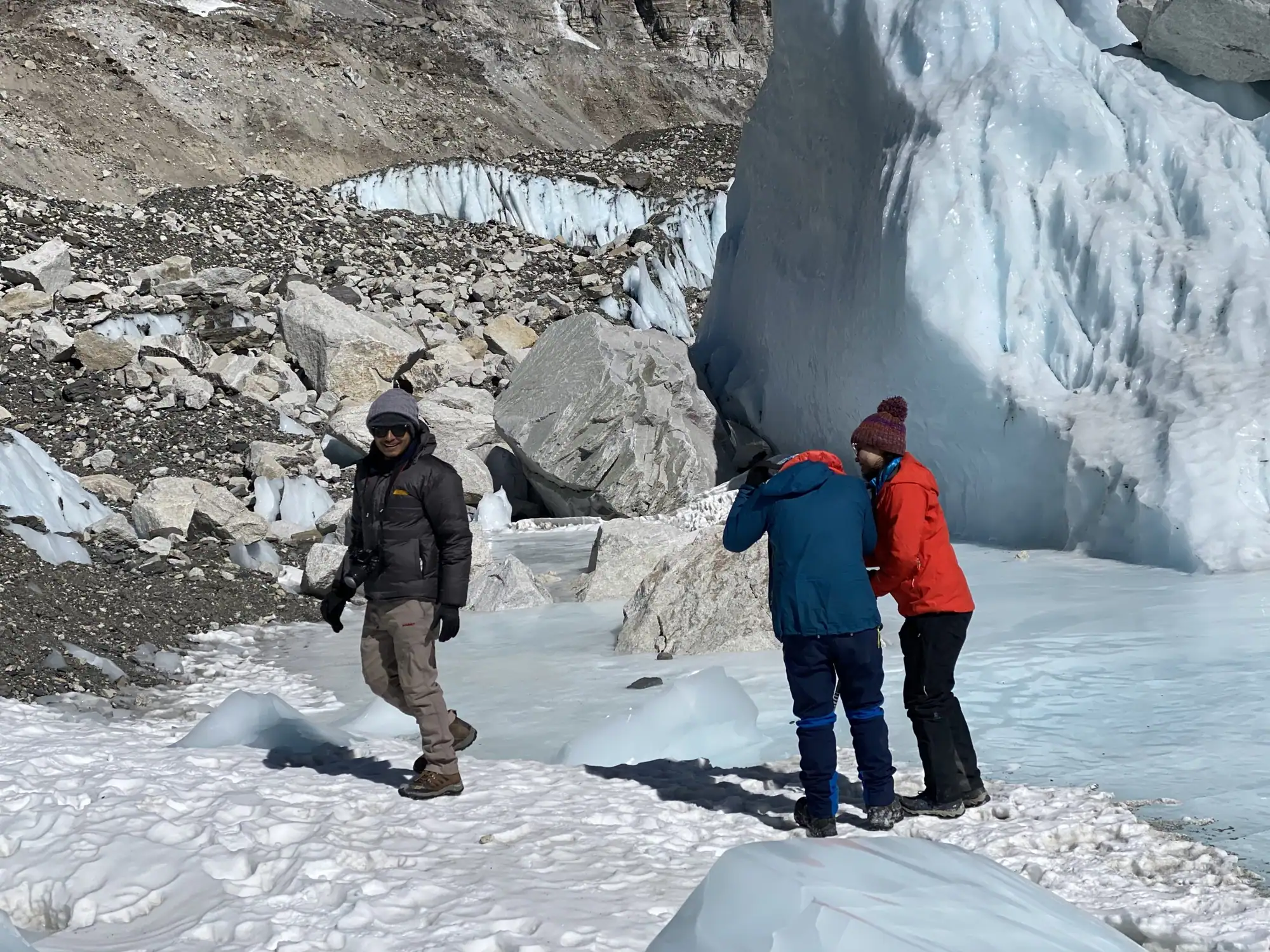
The best way to prevent altitude sickness is to climb slowly. Fitness has nothing to do with it. Above 3,000 m, keep the gain in your sleeping altitude to 300 to 500 m per day, build in an acclimatization day every 2 to 3 days, drink 3 to 4 litres of water daily, and descend 500 to 1,000 m as soon as symptoms stop improving. Those four measures to prevent altitude problems are what keep most trekkers out of trouble in the Himalayas, and they are also the first steps used to treat altitude sickness once it appears.
Altitude sickness, or Acute Mountain Sickness (AMS), is the common form of altitude illness and it sets in when your body cannot keep pace with the drop in oxygen above roughly 2,500 meters. It affects marathon runners and first-time trekkers alike, and if the early signs are ignored it can progress to HAPE, fluid in the lungs, or HACE, swelling of the brain. Those two are the severe forms of altitude sickness and both are medical emergencies. This guide covers prevention and treatment together: what to do before your trek, what to do on the trail, how to tell a normal altitude headache from an emergency, and what evacuation actually looks like in Nepal. If you only learn how to prevent altitude sickness and nothing else about the mountains, you will still finish more treks than someone who trains harder and climbs faster.
This article is general trekking information, not medical advice. Talk to a doctor who knows your history before you travel, particularly about any medication.
- [Acute Mountain Sickness (AMS)](#acute-mountain-sickness-ams) - [High-Altitude Pulmonary Edema (HAPE)](#high-altitude-pulmonary-edema-hape) - [High-Altitude Cerebral Edema (HACE)](#high-altitude-cerebral-edema-hace)
- Things to Do Before Trekking for Altitude Sickness Prevention
- Measures to Prevent Altitude Sickness During Trekking
- How Long Does It Take to Acclimatize to High Altitude?
- How to Tell Mild AMS From a Medical Emergency
- Altitude Sickness Treatment Options on the Trail
- What will happen to your body when you’re at high altitudes?
- Sleeping Altitude and How to Sleep Better Up High
- Prevention and Treatment Advice for Major Treks in Nepal
- Sherpa’s Advice to Prevent Altitude Sickness
What is Altitude Sickness?
Altitude sickness happens when you gain height faster than your body can adjust to the thinner air, and it is the price of altitude exposure that comes on faster than acclimatization. It begins above roughly 2,500 meters, where every breath carries less oxygen than the same breath at sea level, and it does not care how fit you are. The mild form is Acute Mountain Sickness (AMS): headache, nausea, dizziness, poor appetite and broken sleep. The two severe forms, HAPE and HACE, are what AMS becomes when it is ignored and the trekker keeps climbing.
Anyone can get altitude sickness, even marathon runners and yoga instructors, and altitude sickness can happen on a moderate altitude walk as readily as at extreme altitude if the ascent is fast enough. It is more common among people who normally live at low altitude, among those who travel to high altitudes and move to a higher altitude too quickly on arrival, and among anyone with a history of altitude sickness on an earlier trip. Dehydration, overexertion, alcohol and skipped rest days each increases the risk further. Whether you are walking the Everest Base Camp Trek or a shorter Himalayan route, understanding the causes and the preventive measures is what lets you finish the trek instead of turning around.
At What Altitude Does Altitude Sickness Start?
There is no single safe number, but each form of altitude illness has a well-known threshold, and the risk for altitude problems rises with every stage above them. AMS is usually seen above 2,500 m, HAPE above 3,000 m, and HACE above 4,000 m. The rate at which you climb matters more than the altitude itself, which is why two trekkers standing at the same teahouse can have completely different outcomes.
| Condition | Usually starts above | How soon it appears | What it does |
|---|---|---|---|
| AMS (Acute Mountain Sickness) | 2,500 m (8,200 ft) | 6 to 24 hours after arriving high | Headache, nausea, dizziness, fatigue, poor sleep |
| HAPE (High Altitude Pulmonary Edema) | 3,000 m (9,800 ft) | 2 to 4 days after arriving high | Fluid collects in the lungs, breathlessness at rest |
| HACE (High Altitude Cerebral Edema) | 4,000 m (13,000 ft) | 2 to 4 days after arriving high | Swelling of the brain, confusion, loss of balance |
To put those numbers on a map, most classic Nepal treks cross the AMS threshold on day two or three. Namche Bazaar sits at 3,440 m, Dingboche at 4,410 m, Everest Base Camp at 5,364 m, Thorong La on the Annapurna Circuit at 5,416 m, and Larke Pass on the Manaslu Circuit at 5,160 m. On the Everest route, Gorakshep at 5,164 m is the highest place most trekkers sleep, and it is where symptoms most often force a decision. A pilgrimage route has the same problem in a different shape, which is why altitude sickness on the Kailash Mansarovar Yatra is worth reading separately if that is your trip.
Altitude Sickness: Myth vs Fact
- Myth: Being physically fit prevents altitude sickness.
- Reality: Fitness does not protect against AMS; only proper acclimatization does.
- Myth: Alcohol helps you sleep at high altitudes.
- Reality: Alcohol worsens dehydration and disrupts breathing, increasing AMS risk.
- Myth: Drinking less water reduces bathroom trips at night.
- Reality: Dehydration increases AMS risk; aim for 3-4L daily with clear urine.
- Myth: Oxygen cans are all you need to stay safe at high altitudes.
- Reality: They might feel cool for selfies, but they can’t replace proper acclimatization or medical treatment.
- Myth: Locals never get altitude sickness, so you won’t either.
- Reality: Even locals can get AMS if they ascend too quickly. Altitude doesn’t choose a specific person.
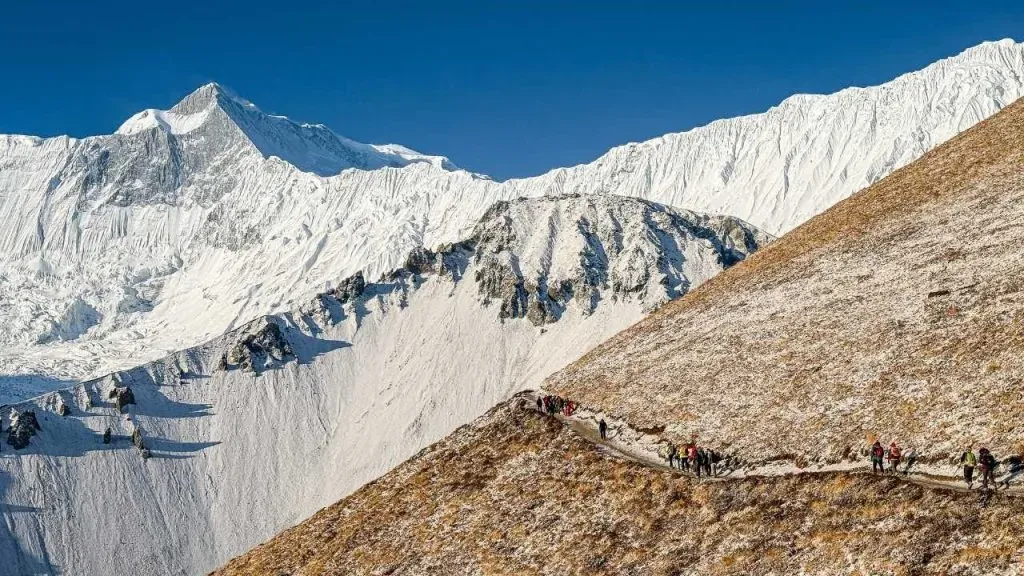
Common Forms of Altitude Sickness and Their Symptoms
Acute Mountain Sickness (AMS)
Acute Mountain Sickness is the common form of altitude sickness, which mostly affects those trekkers who go to high altitudes too quickly. It usually occurs at elevations above 2,500 meters (8,200 feet), and can affect anyone, no matter their age, gender, or fitness level. AMS is caused by low oxygen at high altitude and most people who develop symptoms do so 6 to 24 hours after arriving at a higher elevation. The symptoms of acute mountain sickness are listed below, and the symptoms of AMS matter less individually than whether they are easing or worsening. It often shows its symptoms when you climb rapidly, don’t drink enough water, skip rest days, or push your body too hard without giving time to adjust. Consult with the guide as soon as possible to prevent AMS if you suspect any of the symptoms listed below in the table.
| Symptoms of AMS | What Acute Mountain Sickness (AMS) feels like | Why Acute Mountain Sickness (AMS) happens |
| Headache | Dull or pulsing pain in the head | The brain reacts to low oxygen and small swelling |
| Nausea | Feeling sick to your stomach | The body’s response to altitude sickness |
| Dizziness | Lightheaded or unsteady feeling | The thin oxygen affects the balance and the brain |
| Fatigue | Extreme tiredness, lack of energy | The body is working harder with less oxygen |
| Loss of appetite | No desire to eat | The digestive system slows down at altitude |
| Trouble sleeping | Restless or light sleep | Changes in breathing pattern at high altitude |
| Shortness of breath | Feeling breathless during activity | Lower oxygen in the air makes breathing harder. |
High-Altitude Pulmonary Edema (HAPE)
HAPE, or high-altitude pulmonary edema, is a severe form of altitude sickness. It occurs when fluid leaks into the lungs due to low oxygen pressure at high elevations, usually above 3,000 meters (9,800 feet). What helps prevent HAPE is the same slow ascent that helps prevent everything else on this page; there is no separate trick for it. It is caused due to rapid ascent without proper acclimatization, which will be even worse due to cold temperatures, physical overexertion, or continuing the climb despite feeling unwell. Its symptoms usually appear 2-4 days after reaching high altitude and may occur suddenly at night or after a hard climb. HAPE can affect anyone, but it is more likely to affect those who ignore the signs of AMS, ascend too quickly, or have a history of altitude illness. If you don’t treat it soon, it can become fatal, so immediate descent is important at the first sign of symptoms. Signs of high-altitude pulmonary edema include breathlessness at rest, a wet cough and a racing heart, and they are set out in the table below:
| Symptoms of (HAPE) | What HAPE feels like | Why HAPE happens |
| Shortness of breath during rest | Struggling to breathe even while sitting or lying down | Fluid forms in the lungs, reducing oxygen exchange |
| Persistent wet cough | Deep, moist cough that may produce frothy or pink sputum | Fluid leaking into the air sacs disturbs the lungs |
| Crackling sound in the lungs | A gurgling or bubbling sound when breathing | Air moves through the fluid-filled lung passage |
| Chest tightness or pressure | Heavy, tight, or squeezed feeling in the chest | Swelling and fluid make breathing difficult |
| Rapid heartbeat | heart beat racing even with little movement | The body tries to deliver more oxygen by pumping blood faster |
| Blue or gray lips/fingertips | Discoloration of the lips or nails | Lack of oxygen in blood (cyanosis) |
| Extreme tiredness or weakness | Feeling too tired to walk or stand | Oxygen shortage affects muscles and energy levels |
Note: Blue or gray lips/fingertips are only the symptoms of HAPE, not HACE.
High-Altitude Cerebral Edema (HACE)
High Altitude Cerebral Edema, written high-altitude cerebral edema in most medical sources, is the most dangerous form of altitude sickness. It is caused by swelling in the brain from a lack of oxygen at high elevations, typically above 4,000 meters (13,000 feet), and it is one of the two altitude problems that count as medical emergencies needing immediate medical attention. This swelling puts higher pressure on the brain, leading to confusion, loss of coordination, and coma in some serious cases. It often develops when trekkers ignore AMS or HAPE, climb too quickly, or push forward even though after feel unwell. HACE can appear 2-4 days after reaching a high altitude, especially without proper acclimatization. It is a true medical emergency; if you feel its signs, then descend immediately because continuing to climb can be fatal, even for experienced hikers.
| Symptoms of High Altitude Cerebral Edema (HACE) | What HACE Feels Like | Why HACE Happens |
| Loss of coordination | Stumbling, problems while walking, trouble with balance | Brain swelling affects motor control |
| Confusion or disorientation | Difficulty in thinking clearly, forgetting where you are | Lack of oxygen impacts the function of the brain |
| Hallucinations | Seeing or hearing things that aren’t real | Swelling and low oxygen disturb the normal activity of the brain |
| Slurred speech | Talking becomes slow, unclear, or jumbled | The brain cannot properly control the speech muscles |
| Severe headache (worse than AMS) | Intense, pounding pain that doesn’t go away | Brain pressure increases due to swelling |
| Inability to walk straight | Can’t walk in a straight line or maintain balance | Swelling disturbs the balance and movement coordination |
| Drowsiness or unconsciousness | Hard to awake, may pass out | Serious brain dysfunction due to extreme swelling and low oxygen |
Things to Do Before Trekking for Altitude Sickness Prevention
Before going on your trek, it is worth understanding the measures that prevent acute mountain sickness rather than the ones that only sound sensible. Nothing here is exotic, and nothing here will prevent or treat high-altitude illness on its own except a slow ascent. Proper preparation can make all the difference, so knowing the best tips for altitude sickness prevention before trekking will help you to enjoy your journey without any health issues. This part covers important things to do before your trek to minimize the risk of altitude sickness.
Plan for a gradual ascent
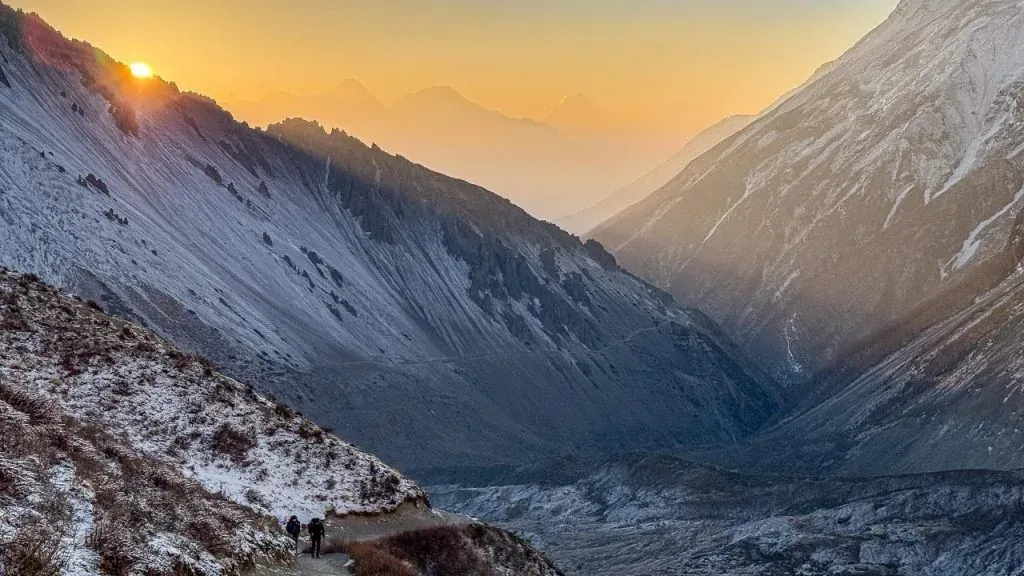
When planning your trek, choosing an itinerary that allows for a gradual ascent is one of the main preventive methods against altitude sickness. Which means include acclimatization days at intermediate altitudes, normally between 2,500 to 3,000 m before reaching higher elevations above 4000 m. These remaining days will give your body time to adjust to lower oxygen levels, reducing the symptoms like headaches, nausea, and fatigue. A slow and steady climb not only protects your health but also improves your energy levels and trekking experience.
Get a Pre-Trek Medical Check-Up (if needed)
Before heading to high altitudes without preparation, it’s better to get a premedical check-up, which can be an important prevention method to stay safe and avoid altitude sickness. This may include tests like a Pulmonary Function Test (PFT) to check how good your lungs work, an electrocardiogram (ECG/EKG) to monitor your heart, and a chest X-ray if you have lung issues. Your doctor might also check your hemoglobin levels, test your oxygen saturation (SpO2) with a pulse oximeter, and do an exercise tolerance test to see how your body handles physical stress. Also, consult your doctor about taking acetazolamide (Diamox) or similar medicines, which can help your body adjust faster and reduce the risk of high-altitude sickness.
What Acetazolamide (Diamox) Can and Cannot Do
Acetazolamide, sold as Diamox, is the drug most often discussed on Nepal treks, and it is widely misunderstood. It speeds up the chemical side of acclimatization, so it can reduce the chance of AMS on an itinerary that climbs quickly. It does not make a fast ascent safe, it does not treat HAPE or HACE, and it does not remove the need to descend when symptoms get worse.
Three things are worth being clear about:
- It is prescription medication. Dose, timing and whether it suits you at all are decisions for a doctor who knows your medical history and your other medications, not for a trekking blog or a fellow trekker on the trail.
- It has side effects. Tingling in the fingers and toes, more frequent urination and a changed sense of taste are common, and the extra urination makes staying on top of your 3 to 4 litres of water more important, not less.
- It is not a substitute for the itinerary. A trekker on acetazolamide who climbs 900 m in a day is still climbing 900 m in a day. Ascent rate remains the thing that decides the outcome.
If it is prescribed, carry it in your daypack rather than in the porter's bag, and tell your guide you are taking it so that they read your symptoms correctly.
Begin Physical Conditioning in Advance
To prepare your body for the high elevation and manage altitude sickness symptoms, it’s important to start training at least 4-6 weeks before your trip. Focus on cardio exercises like running, cycling, or swimming to boost your heart and lung capacity. Also, practice hiking to build the habit of walking on uneven terrain by carrying a backpack. Adding strength workouts for your legs, core, and back will improve stamina and reduce fatigue during steep climbs. Improving your cardiovascular fitness helps your body to use oxygen correctly, which is important at higher altitudes where oxygen levels are low.
Stay well-rested before departure
Getting enough rest before your trek is a key prevention method against altitude sickness. Make sure you’re well-rested and not lacking sleep before heading into the mountains, as fatigue can weaken your body’s ability to adjust to lower oxygen levels at high altitudes. When you’re tired, your breathing shortens, your immune system slows down, and your risk of developing altitude-related symptoms increases. Try to get 7-9 hours of good sleep each night, and avoid last-minute stress or overexertion. Starting your journey by resting well gives your body the strength and balance it needs to handle the thin air ahead.
Pack proper trekking gear
Packing the right trekking gear plays a major role in helping you to avoid altitude sickness. Bring warm layered clothes like fleece jackets, down jackets, windproof outer shells, insulated gloves, woolen hats, neck gaiters, wool socks, base layers, waterproof pants, hats, UV–protection sunglasses, sunscreen and a warm beanie to protect against cold temperatures, which can drop at high elevations, especially above 3,000 meters. Cold stress can weaken your immune system and make it harder for your body to adjust to lower oxygen levels, increasing the risk of AMS. When your body is protected from the harsh weather, it can focus on adapting to the altitude, so pack smart and stay one step ahead of sickness.
Choosing the right season
Choosing the correct season for your trek is one of the most important preventive steps you can take to avoid symptoms of altitude sickness. Spring (March to May) and Autumn (September to November) are considered the best times for high-altitude trekking in regions of Nepal, offering clear views, stable weather, and moderate temperatures. During these seasons, daytime temperatures range between 10°C to 20°C (50°F to 68°F) at mid-altitudes, while nights can drop to around -5°C to 5°C (23°F to 41°F). Trekking in such conditions helps to reduce the risk of cold-related stress on your body, which can otherwise make it harder to adapt to altitude.
Pre-Trek Checklist
Medical:
- Visit your doctor to discuss altitude medication such as acetazolamide (Diamox). It is prescription-only, and the dose and timing are your doctor’s call, not a checklist’s.
- If it is prescribed, ask exactly when to start it relative to your first night above 2,500 m, and what side effects to expect.
- Get a basic health check-up to make sure you’re fit for high-altitude trekking (especially heart, lungs, and blood pressure).
Gear
- Pack warm layers, a hat and gloves, and a good windproof jacket.
- Bring UV-protective sunglasses, a 2L refillable water bottle, and a basic first-aid kit (include paracetamol, anti-diarrhea meds, band-aids, and oral rehydration salts).
- Don’t forget a headlamp with extra batteries, as power may not be available in remote areas.
Training:
- Do 4–6 weeks of cardio training before your trek.
- Include activities like hiking with a backpack, stair climbing, or running, 3–4 times a week.
- Practice walking with your loaded daypack to get used to the weight you’ll carry during the trek.
Insurance:
- Make sure you have travel insurance that covers trekking above 2,500m and emergency helicopter evacuation.
- Double-check that the policy includes high-altitude medical care.
- Carry a printed and digital copy of your insurance policy and emergency contact numbers at all times.
Measures to Prevent Altitude Sickness During Trekking
The way to prevent altitude illness does not stop once your trek has started; the right steps on the trail matter just as much, and they are what help prevent a mild headache from becoming something worse. From how you walk to how hydrated you are, everything matters at high elevations. This section covers simple, effective methods to prevent high-altitude sickness during trekking so you can stay healthy and enjoy the journey.
Ascend slowly
Ascending slowly is one of the most effective ways to avoid altitude sickness while hiking to higher areas. Once you’re above 3,000 meters, it’s important to manage your altitude gain to 300-500 meters per day, and schedule acclimatization days every 2-3 days or after a hard elevation climb. This slow and steady pace gives your body time to adjust to the environment, reducing the risk of AMS, HAPE, or HACE. Most cases of altitude sickness happen when trekkers ascend too fast without giving their bodies time to adapt, so walking slowly and taking regular breaks helps prevent it. Remember, the aim is not reaching the top fast; it’s to reach it healthy and safe.
Climb High, Sleep low
The golden rule, “climb high, sleep low,” is a proven method to help your body adapt safely to high altitudes. It means trek to a higher elevation during the day, then descend to sleep at a lower altitude, like ascending to 3,500 meters during the day and sleeping at 3,000 meters. This method trains your body to handle lower oxygen levels without overloading it, and reduces the risk of altitude sickness.. Even a short descent of 300-500 meters can make a big difference in how well your body acclimatizes. So instead of heading to your next overnight stop in a hurry, consider this smart strategy: climb high, rest low, and trek strong.
Stay well hydrated
Staying well hydrated is a simple but important way to prevent altitude sickness while hiking. At higher altitudes, your body loses water faster through breathing, sweating, and dry mountain air, even if you don’t feel thirsty. That’s why it is essential to drink at least 3 to 4 litres of water daily. Dehydration thickens your blood, making it harder to carry oxygen, which can increase the risk of headaches, fatigue, and altitude sickness. Adding a bit of salt or electrolytes to your water can also help to maintain the balance of fluid and energy levels. Remember, clear urine is a good sign you’re drinking enough, so keep that bottle closer to you and drink it often. The mountaineer Reinhold Messner, among the first to climb Mount Everest without supplemental oxygen, put it this way: “The key is going slowly and respecting the mountain. Altitude sickness is the body’s way of saying you’re going too fast. Acclimatize properly, stay hydrated, and never ignore the first symptoms. Those are the golden rules.”
Eat light but frequently
Eating light but frequently is a smart and effective way to help your body deal with high altitude. At upper elevation, your digestive system slows down due to a reduction in oxygen, so eating heavy meals can make you feel bloated, tired, or dizzy. Instead, look for small, regular meals packed with energy-rich foods like rice, pasta, nuts, dried fruits, energy bars, whole grains, and soups. These are easy to digest and provide continuous energy for your body to trek throughout the day. According to nutrient experts, complex carbs are especially helpful because they require less oxygen to metabolize. Skipping meals or overeating can increase the possibility of illness, leading to altitude sickness, so keep on eating smartly and staying energized.
Avoid Alcohol and Smoking
Avoiding alcohol and smoking during your trek is one of the most important ways to protect yourself from altitude sickness while trekking in Nepal. Both substances reduce the ability of the body to absorb oxygen, which is already less at high elevations. Alcohol acts as a diuretic, causing dehydration, while also slightly stopping breathing during sleep, which can lead to lower oxygen levels at night, a dangerous moment in the mountains. Smoking damages the lungs, which makes it harder to breathe in the thin air and increases the possibility of AMS. So, for a safe and enjoyable trek, skip the booze and cigarettes until you’re back at lower altitudes.
Keep warm and Dry
Keeping your body dry and warm might sound simple, but it’s an essential part of curing altitude sickness during your trek. At high altitudes, the cold atmosphere weakens your immune system and makes it harder for your body to adjust to lower oxygen levels. Wet clothes, freezing winds, and sudden weather changes can lead to hypothermia or fatigue, which can be a big problem. Therefore, it is essential to wear moisture-wicking base layers, insulating mid-layers, and waterproof outerwear, and always pack extra pairs of socks and gloves for a better journey.
Communicate with your guide or group
Communicating with your guide isn’t just helpful, it can be lifesaving when it comes to preventing altitude sickness. If you feel unwell, dizzy, unusually tired, or have a headache that doesn’t go away, always speak up to the guides. Guides are trained to identify the signs of AMS, HAPE, and HACE, and taking early steps like slowing down, resting, or descending can stop symptoms from being serious. Early detection and response are key to preventing altitude illness, generally at elevations above 3,000 m. Never ignore your symptoms; your guide is there to help, and speaking early can make the difference between a smooth trek and a medical emergency.
How Long Does It Take to Acclimatize to High Altitude?
How long it takes to adjust to the altitude is the question behind every itinerary on this page, and the honest answer is that acclimatization is not an event that finishes on a rest day. It is a running adjustment: within hours of arriving high your breathing rate rises and your heart works harder, and over the following days your body produces more red blood cells to carry the oxygen it is short of. That second part is why the schedule matters. You cannot compress it, and no amount of training at sea level does it for you in advance.
In practice, a Nepal trekking itinerary handles it with three rules that are already built into any well-planned route:
- 300 to 500 m of sleeping gain per day once you are above 3,000 m. What counts is where you sleep, not the highest point you touched during the day.
- An acclimatization day every 2 to 3 days, or immediately after any unusually big climb.
- Climb high, sleep low on those days. Walking several hundred meters up and coming back down to sleep does more for you than lying in a teahouse.
An acclimatization day is not a wasted day, and the trekkers who cut them are the ones who end up on a helicopter. If you arrive at a village and feel worse the next morning rather than better, your body is telling you the schedule is too fast for it, whatever the itinerary says.
How to Tell Mild AMS From a Medical Emergency
Almost every trekker gets a headache at altitude at some point, and almost none of them are the serious forms of altitude sickness. Telling mild AMS from severe acute mountain sickness is the one judgement call that matters on the trail. The distinction that matters is not how bad you feel. It is whether you are getting better or worse at the same altitude, and whether your breathing or your balance is involved. Use the table below, and when in doubt, treat it as the more serious row.
| What you notice | What it probably is | What to do |
|---|---|---|
| Mild headache, poor appetite, broken sleep, breathless on the climbs but fine at rest | Mild AMS, or normal adjustment | Stop ascending, rest at the same altitude, hydrate, paracetamol. Expect improvement in 24 to 48 hours |
| Headache that does not respond to rest, vomiting, symptoms worse the next morning than the night before | AMS that is not resolving | Descend 500 to 1,000 m. Do not go higher until every symptom has gone |
| Breathless while sitting still, wet or frothy cough, crackling in the chest, blue or grey lips and fingertips | Suspected HAPE | Medical emergency. Descend immediately, supplemental oxygen if available, arrange evacuation |
| Cannot walk a straight line, confusion, slurred speech, unusual drowsiness | Suspected HACE | Medical emergency. Descend immediately, supplemental oxygen if available, arrange evacuation |
The walking test is the one your guide will use, because it needs no equipment: ask the trekker to walk heel to toe along a straight line. Someone with mild AMS can do it. Someone developing HACE cannot. Two rules never bend, whatever the group's schedule says. Never let a symptomatic trekker sleep higher than they slept the night before, and never leave them alone.
Altitude Sickness Treatment Options on the Trail
If you are already developing altitude sickness, the steps below are what a guide will do, and the first of them is always to get to a lower altitude rather than to wait it out higher up:
- Stop ascending immediately: Do not go any higher. Descend to a lower altitude, and keep descending to a lower elevation until things improve, because altitude sickness gets worse as you climb. Continuing to climb is prone to altitude sickness and can make symptoms even worse, leading to more serious conditions like HAPE or HACE. Headache, nausea, or fatigue are common in altitude sickness. If they get worse or don’t improve after rest, return to a lower altitude by at least 500-1,000 meters immediately
- Rest and monitor your symptoms: Take a break at the same altitude, take paracetamol, and see if symptoms improve within 24-48 hours. Mild AMS often gets better with rest and hydration.
- Take prescribed medications (if available): Use acetazolamide (Diamox) to support acclimatization, use them under doctor prescription because it can show side effects like tingling in fingers/toes, increased urination, and taste changes. Or ibuprofen/paracetamol for headache relief. Also, carry anti-diarrhea tablets and other required medications to use them in an emergency. One of the famous personalities, Luanne Freer – Altitude Illness Expert, Everest ER Base Camp, said that “Even the fittest trekkers get AMS. The best prevention? Climb high, sleep low, and take it slow. And yes, Diamox works if used correctly under medical guidance**.**”
- Use supplemental oxygen if available: Oxygen can quickly relieve symptoms and is especially useful in remote areas where descent may be delayed or prolonged. Always carry a small oxygen can, or the guides for emergency situations often carry them.
- Evacuate if symptoms worsen or HAPE/ HACE is suspected: If you ever feel like your breath is not catching up, or can’t walk straight, or don’t remember where you are, then this is a medical emergency. Immediate descent of at least 500-1,000 meters, use supplemental oxygen if available, contact guides for evacuation, and he can manage for fast evacuation.
- Use a Gamow Bag (Portable Altitude Chamber): In severe cases of altitude sickness, when descent is not possible, some trekking agencies carry a Gamow bag, a portable hyperbaric chamber. It works by simulating a lower altitude environment**.** Once the person is placed inside and the bag is inflated, it simulates a descent of about 1,500 meters by increasing air pressure, creating an oxygen-rich environment. Typical use involves 1–2 hour sessions, helping to stabilize the trekker until evacuation.
- Helicopter Evacuation: In case of serious altitude sickness or emergencies, helicopter rescue is the quickest option. Reputed companies like Air Dynasty, Simrik Air, and Altitude Air operate in popular trekking regions. Costs typically range from $5,000 to $10,000 without insurance. (You can check with providers to confirm current rates.) Always ensure your travel insurance covers high-altitude evacuation.
- Emergency Contacts: Always keep a list of emergency contacts. In Kathmandu, you can dial 100 for the police or 102 for ambulance services. However, in remote trekking regions, mobile networks are unreliable, so it’s best to rely on your guide’s satellite phone or VHF radio for emergency communication. Make sure your trekking agency provides 24/7 support contacts in case of evacuation or medical help.
Treatment Steps for Altitude Sickness
| Condition | Action | Notes |
|---|---|---|
| Mild AMS | Rest, hydrate, take paracetamol, avoid ascent | Symptoms should improve within 24–48 hours |
| Worsening Symptoms | Descend 500–1,000 meters immediately | Do not ascend until all symptoms have completely resolved |
| HAPE/HACE Suspected | Immediately descend, use supplemental oxygen, and seek evacuation | Can be fatal if untreated. Alert guides and arrange emergency evacuation |
Important Note on Medical Support and Insurance:
If you experience severe altitude sickness and require evacuation, you’ll likely be flown to either Pokhara or Kathmandu, where medical facilities are available. In Kathmandu, hospitals include CIWEC Travel Medicine Center, Norvic International Hospital, and Grande International Hospital, all of which are experienced in treating altitude-related illnesses. In Pokhara, reliable options include Metrocity Hospital, Manipal Teaching Hospital, and Fewa City Hospital. To ensure access to these services, it’s essential to have travel insurance that specifically covers:
- Trekking above 2,500 meters
- Emergency helicopter evacuation
- Medical treatment and hospitalization in Nepal
Without proper insurance, rescue and treatment costs can be extremely high, especially in remote mountain areas. Always double-check your coverage before starting the trek.
What will happen to your body when you’re at high altitudes?
When you reach high altitudes, typically above 2,500 meters (8,200 feet), your body is exposed to lower oxygen levels and lower air pressure. The oxygen in the air becomes thinner, which means that in each breath, you’ll get less oxygen than you used to get at sea level. To adjust, your body begins to work harder, your breathing rate increases, your heart beats faster, and your body produces more red blood cells to carry oxygen. These are the normal changes that help you to survive and work in high-altitude conditions, a process known as acclimatization. However, this adaptation takes time, which is why slow ascent is very important.
In the early stages, you may notice shortness of breath during the activity, an increase in fatigue, or trouble while sleeping. These are common symptoms that are seen in every trekker. But if your body doesn’t adjust properly, then more serious symptoms like headaches, nausea, or dizziness can develop, known as Acute Mountain Sickness (AMS). In rare cases, if you ignore these symptoms too, then it can progress to HAPE or HACE. Both of these dangerous forms of altitude sickness are life-threatening conditions caused by the development of fluid in the lungs or brain. That’s why it is necessary to understand how your body responds at altitude and how to care for it.
Sleeping Altitude and How to Sleep Better Up High
Getting good sleep in the mountains is not always easy, and it is more important at high altitudes than anywhere else because sleep is when most of the adjustment happens. Rest is necessary to prevent the slow accumulation of fatigue that makes everything else harder. Poor sleep can weaken the ability of your body to acclimate, making you more likely to experience altitude sickness. In this part of the article, you’ll find simple tricks to sleep better in the mountains so your body can rest, recover, and stay strong throughout the trek.
- Avoid caffeine and alcohol in the late afternoon and evening, as both of them disturb sleep and may cause a high risk of dehydration
- Practice deep breathing or meditation before bed to relax your body and manage altitude-related anxiety.
- Stay off screens like phones or headlamps at least 30 minutes before going to sleep, as blue lights disrupt melatonin production.
- Make a routine for bedtime and stick to it while trekking, to help you adjust your sleep cycle.
- Use earplugs and a sleeping mask to block noise and light, especially in group lodges or tents.
- Elevate your head slightly with a folded jacket or pillow so that it will be easy to breathe in thinner air.
- Eat a light, warm meal before bed because digestion helps to generate heat in the body and stabilize energy overnight.
- Stay slightly hydrated, but don’t overdrink before bed to avoid going to the bathroom in the cold at night.
- If you snore or struggle to breathe while lying flat, try sleeping on your side to improve airflow.
- If sleep issues last more than two nights or affect your ability to trek, then consult your guide or seek medical help.
Prevention and Treatment Advice for Major Treks in Nepal
- Everest Base Camp Trek
The Everest Base Camp Trek goes from Lukla (2,860m) to Everest Base Camp (5,364m), passing places like Namche Bazaar (3,440m), Tengboche (3,860m), and Dingboche (4,410m). Since it reaches high altitude quickly, there’s a higher risk of altitude sickness. Most trekkers take a rest day at Namche Bazaar, and do a short hike up to 4,000m before sleeping at a lower altitude to help the body adjust. It’s very important to walk slowly, drink plenty of water, and not skip rest days so your body can get time to adapt to the thin air.
This trek climbs from Nayapul (1,070m) to Annapurna Base Camp (4,130m), going through villages like Ghorepani (2,874m) and Chhomrong (2,170m). It doesn’t include official acclimatization days, but many trekkers choose to rest in Ghorepani or Chhomrong. Even though the risk of altitude sickness is lower than in the Everest region, it’s still important to stay hydrated, eat well, and walk at a steady pace to stay safe and healthy.
- Manaslu Circuit trek
The Manaslu Circuit Trek starts at Soti Khola (710m) and goes to Larke Pass (5,160m), with key stops at Namrung (2,630m), Sama Gaun (3,530m), and Samdo (3,860m). It’s a remote trek, so helicopter evacuation is harder if something goes wrong. Trekkers usually take one rest day at Sama Gaun, and sometimes at Samdo too, to help the body adjust. Because of the high pass and the remoteness, it’s very important to go slowly, get enough rest, and not skip acclimatization stops.
- Annapurna Circuit Trek
Annapurna Circuit Trek starts at Besisahar (760m) and climbs to Thorong La Pass (5,416m), one of the highest trekking passes in the world. It passes through Chame (2,650m), Manang (3,540m), Yak Kharka (4,050m), and Thorong Phedi (4,540m). The high altitude and long walk make it important to rest at Manang for at least one day, and sometimes also at Yak Kharka or Thorong Phedi. This gives your body time to adjust before reaching the highest point. To stay safe, walk slowly, drink water often, and never skip rest days.
Sherpa’s Advice to Prevent Altitude Sickness
Sherpas of Nepal, as well as Our advice for preventing altitude sickness while trekking is to always go slow, stay hydrated, and listen to your body. Choose the best trekking route that allows for a slow ascent with proper acclimatization days, and don’t rush; your safety is more important than your schedule. Make sure to sleep well, eat light but regularly, and avoid alcohol and smoking during the trek. Stay in touch with your guide and trekking partners, especially if you feel unwell. Wear warm clothes, keep your gear dry, and rest whenever your body asks for it. And remember, if symptoms get worse, then descend immediately. A safe trek is always better than a fast one. Here’s advice from Nims Purja, too (record-breaking Nepali mountaineer who climbed 14 peaks in 6 months): “Train hard, but listen to your body up there. Hydration, nutrition, and proper acclimatization are non-negotiable. I’ve seen the toughest people humbled by altitude. Respect the elevation.”
 Trek
Trek By air
 Pilgrimage
 Festivals
 Wildlife
 Luxury
 Yoga
Yoga Food
Food Heritage