
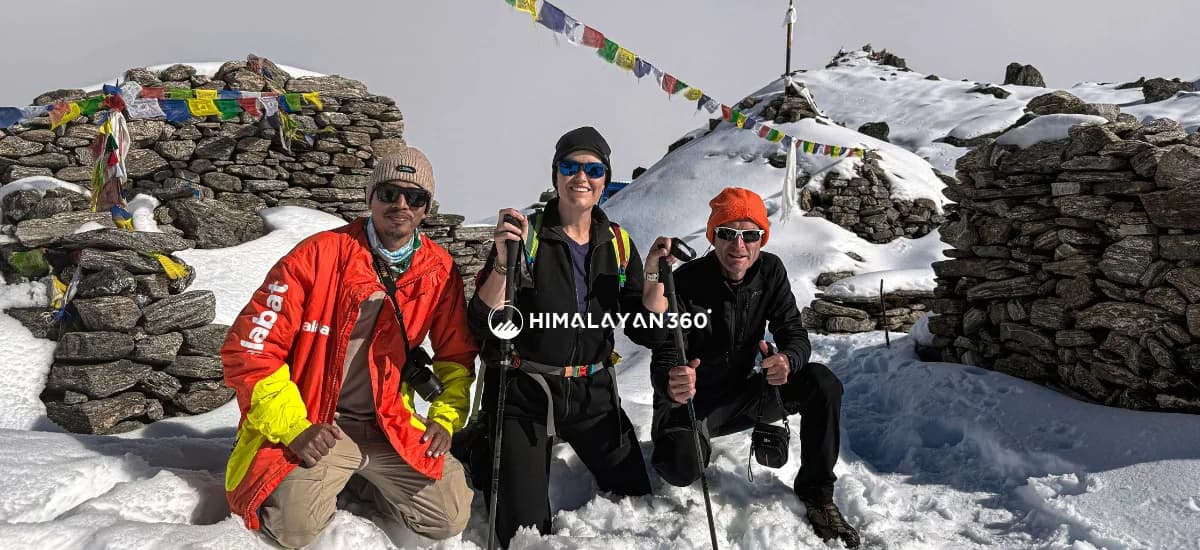
Langtang Valley ranges from 1,460M at Syabrubesi to 4,984M at Tserko Ri. Because of this big height difference, the weather can change very quickly. In just one day, you might walk from warm, green forests to cold, windy mountain areas. The weather in Langtang is cold, variable, and strongly affected by altitude, with temperatures ranging from about 15°C in summer to below -10°C in winter at higher elevations.
The region has four clear seasons: spring and autumn are stable, monsoon brings heavy rain and clouds, and winter is dry but very cold with snowfall. On average, the warmest month reaches around 15°C, while the coldest drops to about -7°C or lower.
This guide explains everything in a simple way, from the monthly temperature at major stops, trail conditions in different seasons, rainfall patterns, to the climate in Langtang, which has been changing in recent years.
Langtang Weather and Temperature Overview by Season
Spring, Autumn, Winter, and Monsoon have their own impact on Langtang. In Spring (Mar–May), temperatures are moderate with blooming rhododendrons, autumn (Sept–Nov) is considered the best season with low rainfall, winter (Dec–Feb) brings cold temperatures, and monsoon (Jun–Aug) sees heavy rainfall, slippery trails, and limited visibility. The valley has four distinct weather seasons and the temperature ranges below are what separates them. The table sets all four side by side before each one is described in detail.
| Season | Months | Daytime temperature, lower to mid valley | Rain and snow | Trail condition |
| Spring | Mar to May | 10°C to 20°C | Dry, with short afternoon showers from late May | Residual snow and morning ice above Kyanjin Gompa in March, rhododendron in bloom lower down |
| Autumn | Sept to Nov | 8°C to 18°C | Dry from mid October, though rain can run into early October | Best of the year, clear and stable, cold nights from November |
| Winter | Dec to Feb | -5°C to 10°C | Snow above 3,500M | Clear skies but freezing nights, some upper teahouses closed or thinly staffed |
| Monsoon | Jun to Aug | 15°C to 25°C | 300 to 400 mm per month | Mud, cloud, leeches below Lama Hotel and landslide risk on the road to Syabrubesi |
Temperatures fall as you climb. The figures above describe the lower and middle valley, and every 1,000M of ascent takes roughly 6 to 7°C off them, so a 18°C afternoon at Syabrubesi is nearer 10°C at Kyanjin Gompa and below freezing there after dark. That lapse rate is the single most useful thing to know about weather in Langtang valley: the same day can be shirt weather at lower altitude and well below freezing at the head of the valley. Mountain weather here is also shaped by the Langtang Himal itself, which blocks most of the moisture coming off the Tibetan plateau and pushes the wet weather up from the south instead. Below, we have discussed each season clearly.
Spring Weather in Langtang (Mar to May)
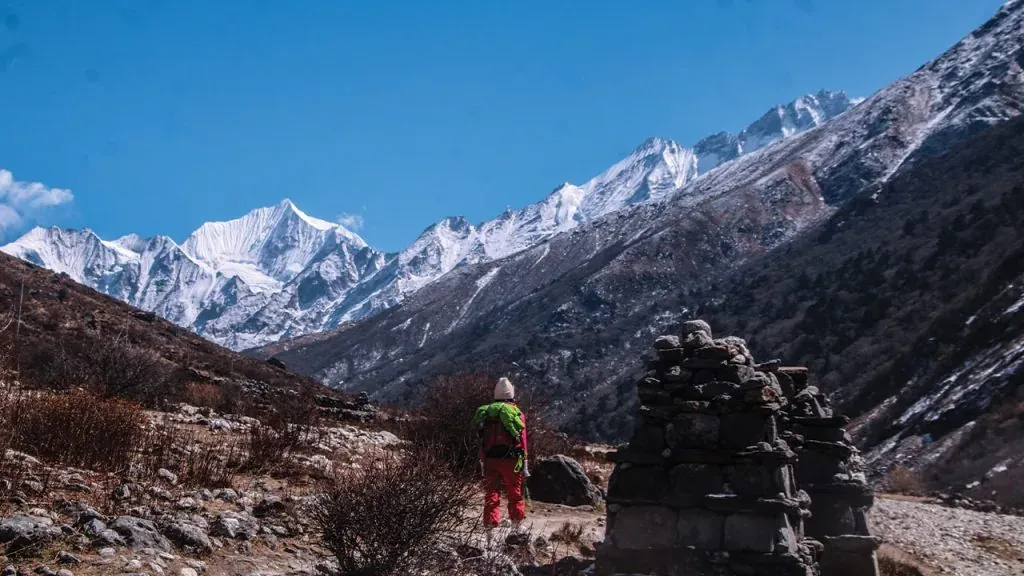
Spring is one of the best times to trek in the Langtang Region. During this season, days are longer and warmer, and the monsoon rains have not yet started. The forests between Lama Hotel and Langtang Village are full of blooming rhododendrons in red, pink, and white. Mornings are usually clear, while clouds may appear in the afternoon toward the end of May. The spring season is also when the valley's flora and fauna are most obvious: rhododendron on the lower trekking trails, new greenery in the forest and birds along the river. Trekking conditions stay good until the arrival of the monsoon in early June, and most people who trek in this season are walking somewhere between mid March and mid May.
- March Weather in Langtang: March is the start of spring and the end of winter. Snow starts melting in higher areas, and lower trails become dry. Mornings are still cold, but the daytime is comfortable for walking.
- April Weather in Langtang: April is one of the best months to trek in Langtang. The days are warm, mornings are clear, and rhododendron flowers are in full bloom.
- May Weather in Langtang: May is the warmest month of spring and the last good time before the monsoon starts. Lower areas like Syabrubesi are warmer, and mountain views can get a bit hazy. By late May, short afternoon rains may begin.
Autumn Weather in Langtang (Sept to Nov)
Autumn is the ideal time to trek in the Langtang area. After the monsoon, the air becomes fresh and clean, the skies are clear, and the mountain views are at their best. Days are comfortable for walking, but nights slowly get colder as November comes closer. One important thing to note is that the monsoon now lasts longer than before. Rain can continue into early October, so September is less reliable for trekking. From mid October the valley gets the best weather of the year: clear blue skies over snow-capped peaks, stable weather for days at a time and the lowest chance of a washed-out afternoon. That is why October and November are the best trekking window in Langtang, and why the popular trekking regions of Nepal are all busiest in the same weeks.
- September Weather in Langtang: It is a changing month in the Langtang National Park. The monsoon is ending, but early September can still have rain, muddy trails, and humidity. The weather improves in the second half, though it can still change quickly.
- October Weather in Langtang: October is one of the best months for trekking. The weather is dry, sunny, and stable, with blue skies and beautiful mountain views such as Langtang Lirung, Dorje Lakpa, and Ganesh Himal.
- November Weather in Langtang: November has very cloudy skies, but temperatures drop at night, and it starts to feel like winter at higher altitudes.
Winter Weather in Langtang (Dec to Feb)
Winter in Langtang is cold, dry, and very quiet. The trail sees very few trekkers, teahouses at higher elevations may close or operate with less staff, and snow covers the ground above 3,500M. However, winter also brings some of the clearest skies of the year. The main challenges are freezing nighttime temperatures at Kyanjin Gompa and above. Proper preparation and warm clothes are very important during this season. December to February is the quietest season in Langtang and a far less crowded trekking season than autumn, and a winter trek here trades comfort for empty trails and sharp visibility. Nights at Kyanjin Gompa sit well below freezing, so a sleeping bag rated somewhere in the -10°C to -20°C band is the difference between sleeping and not sleeping.
- December Weather in Langtang: December is cold but still manageable in the first half of the month. Days are sunny but short, nights are very cold, and snow starts to build up at higher elevations above Langtang Village.
- January Weather in Langtang: January is the coldest month. Nights are extremely cold at higher places like Kyanjin Gompa, and some routes may be blocked by snow.
- February Weather in Langtang: February is still cold, but warmer than January, with longer days. Snow will be at higher elevations, but conditions will slowly start to improve.
Monsoon Weather in Langtang (Jun to Aug)
Monsoon is the least popular time for the Langtang Valley Trek because of heavy rain, and the road to Syabrubesi can also be blocked due to landslides. Rivers and streams get bigger, and the forest areas below Lama Hotel are full of leeches. However, the region looks very different and beautiful during this season, with many wildflowers in bloom. Some experienced trekkers still choose this time because they enjoy the peaceful environment and don’t mind the challenges of rain and changing conditions. Daytime weather conditions in the lower valley stay warm through the monsoon, ranging from 15°C to 25°C, and the greenery is at its best. The real problem is the risk of landslides on the access road rather than the rain on the trail, and there are no alternative routes into the valley when that road closes.
- June Weather in Langtang: June is the start of the monsoon in the Langtang Region. Rain becomes continuous in the afternoon and evening. Mornings may be clear, but clouds build up quickly.
- July Weather in Langtang: July is the peak of the monsoon. Rain is heavy, trail conditions are at their worst, and are full of mud, fog, and clouds. Landslide risk is also highest on the road to Syabrubesi and lower trails.
- August Weather in Langtang: August continues with similar monsoon conditions with rain, high humidity, and cloudy skies. Toward the end of the month, rain may reduce slightly, and short clear periods can appear.
Best Time to Trek Langtang Valley
The best times to visit the Langtang and Langtang Gosaikunda Trek are autumn (Oct to late Nov) and spring (Mar to May). Both seasons have comfortable daytime temperatures, clear mountain views, and open teahouses on the trail. If you prefer warmer conditions, late April, May, late September, and October are good choices, as nights are not too cold. For the best mountain views and photography, November is one of the top months.
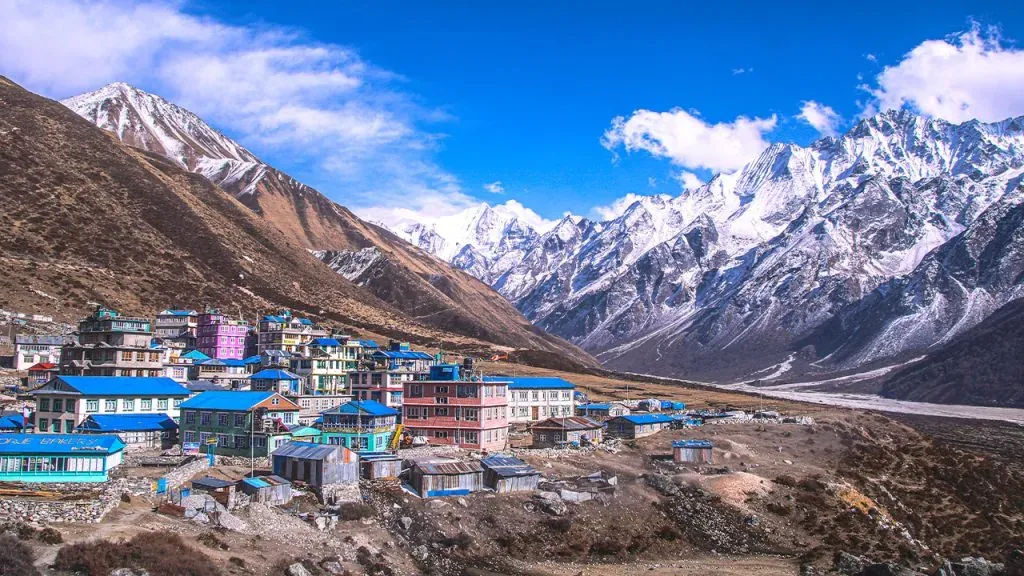
Langtang village
Winter is better for experienced trekkers who are prepared for cold weather and want uncrowded trails with snow-covered scenery. Monsoon is suitable for those who don’t mind rain, leeches, and fewer views, but want to enjoy green landscapes.
In the end, the best time depends on your preference. The trail is open all year, so you can choose the season that fits your comfort level and trekking style. Once the season is settled, the daily stages, altitudes and permits are laid out in our Langtang trek route guide.
Langtang Valley Weather by Altitude: Average Temperature at Each Stage
The Langtang trek goes up more than 3,500M and the weather changes a lot as you go higher. In general, the temperature drops about 6 to 7°C for every 1,000M you climb. This means when Syabrubesi at 1,460M feels warm at around 18 degrees during the day Kyanjin Gompa at 3870M may only reach about 10 degrees and at night it can go below freezing.
- Syabrubesi to Lama Hotel (1,460M – 2,380M): The trail passes through subtropical to temperate forest. The weather is warm and humid during the monsoon,
- and leeches are common from June to September.
- Lama Hotel to Ghodatabela (2,380M – 3,030M): The trail passes temperate to sub-alpine area where clouds often build up during the monsoon and rhododendron flowers bloom in spring.
- Langtang Village to Kyanjin Gompa (3,430M – 3,870M): It falls in the alpine zone, where the weather becomes drier and colder. The wind picks up, snow is possible from late November to March, and oxygen levels at Kyanjin Gompa are about 64 % of sea level.
- Kyanjin Ri and Tserko Ri (4,773M – 4,984M): It lies in the high alpine, where temperatures can be 10 to 15°C colder than at Kyanjin Gompa, and snow and ice cover the summits for most of the year outside the peak seasons.
Langtang Trek Weather Forecast: What a 10-Day Weather Forecast Can and Cannot Tell You
A Langtang weather forecast is worth reading and worth discounting in equal measure. The public weather stations that feed a Nepal weather forecast sit in the lower valleys, and the model grid behind a consumer 10-day weather forecast is coarser than this valley is wide, so what you are shown for "Langtang" is usually closer to Dhunche than to Kyanjin Gompa. Two habits make the numbers usable:
- Read the low point and subtract. Every 1,000M of ascent takes roughly 6 to 7°C off the forecast figure, the same lapse rate used throughout this guide.
- Trust the pattern, not the day. A forecast showing a settled week of clear weather is telling you something real about the weather patterns over the region. A forecast putting rain on day six is guessing.
Weather Stations and Why Langtang Lirung Weather Is Its Own Thing
Langtang Lirung weather behaves differently from valley weather. The peak generates its own cloud, and a clear morning at Kyanjin Gompa can close in around the mountain by mid morning while the valley floor stays in sun. This is the practical reason the standing advice on this trek is to walk early and to spend your first clear morning on Kyanjin Ri or Tserko Ri rather than the morning your itinerary assigns to it. The same goes for the Langtang circuit variants that finish over Lauribina La, where an afternoon whiteout on the pass is a much bigger problem than an afternoon shower in the forest.
Langtang Region Weather vs Other Treks in Nepal
Compared to other popular treks in Nepal, Langtang is considered to have a more stable climate. Because it reaches lower maximum altitudes (typically 3,870m at Kyanjin Gompa), it avoids the extreme and severe wind. Let’s take a look at a clear comparison table.
| Trek Region | Temperature (Spring/Autumn Peak) | Winter Condition | Monsoon Impact |
|---|---|---|---|
| Langtang | 8°C to 18°C | Cold but clear and safe trails | High landslide risk on lower trails |
| Everest | -8°C to 15°C | Extreme cold and high passes are often closed | Higher areas are drier than lower valleys |
| Annapurna | -5°C to 20°C | High pass is risky with heavy snow. | Mixed, Manang is drier (rain shadow) |
| Manaslu | -2°C to 12°C | Very difficult with passes often blocked | High rainfall and the route are very slippery |
| Mustang | 10°C to 25°C | Extremely windy and dry | Best choice as it is located in a rain shadow. |
Trekking Safety Tips for Langtang Weather Conditions
Weather in the Langtang Region can change quickly, so being prepared makes a big difference. With the right planning and gear, you can handle most weather challenges safely. Here are some tips for you.
- Aim to reach your next tea house by 2 PM to get the best mountain views and avoid the afternoon cold winds.
- Sleep with your phone and camera batteries inside your sleeping bag to prevent them from draining.
- If you’re trekking in late autumn or winter, your water bottles may freeze overnight, so store them upside down (ice forms at the top) or use an insulated sleeve
- Apply SPF 50+ sunscreen and lip balm every 2 hours
- Never leave wet socks or shirts outside at night because they will freeze solid
- Carry a headlamp or torch, as daylight hours can be shorter in some seasons
- Always keep a buffer day in your plan in case of weather delays
What To Pack Based On The Season
What you pack for Langtang depends on the season. Because of the high altitude, wearing layers is important no matter when you go. However, your outer clothing and accessories will differ a lot between spring and winter.
| Spring and Autumn | Monsoon | Winter |
|---|---|---|
| A base layer | Rain wear | A sleeping bag rated to −20°C or lower |
| Mid-layer fleece | Waterproof jacket and pants | Heavy down jacket |
| Lightweight down jacket | Gaiters against leeches | Thermal base layers |
| A sleeping bag rated to at least −10°C | Quick-dry clothing | Insulated gloves |
| Sunglasses, sunscreen, and a sun hat | Trekking poles | A balaclava Warm trekking boots |
| Dufffle bag with raincover | Microspikes or crampons |
Choose the Right Time and Plan Your Trek
The weather in Langtang plays a major role in improving your trekking experience. It changes with the seasons and altitude, so choosing the right time is important for safe travel. Since the trek reaches high altitudes, it’s important to stay hydrated, pack smart, and acclimatize properly. With experienced guides, proper planning, and awareness of conditions, you can enjoy Langtang in almost any season. Knowing the average temperature at each altitude helps you plan your trek far better than any single forecast will, and it is the one piece of homework that pays off in every season for trekking here.
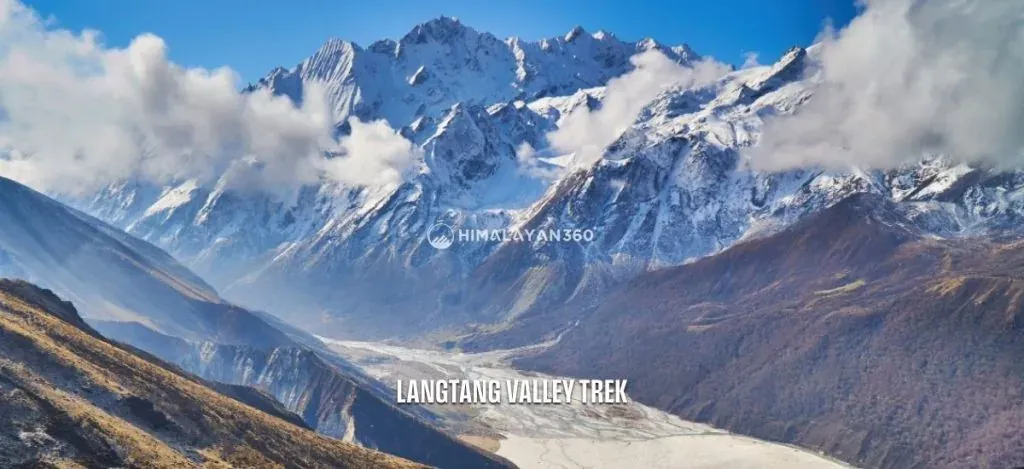
8 Days
Langtang Valley Trek
$449
5.0(10 reviews)
Have you ever dreamed of trekking in the Himalayas but worried that overcrowded trails will ruin the adventure? The 8-days Langtang Valley Trek is the perfect solution to this dilemma. Located just north of Kathmandu, the trek can be reached within a 6-hour drive, with no flights required. Fully rebuilt after 2015 earthquake and safer than ever, this trek offers a Tamang Himalayan experience rather than a Sherpa-focused one, while directly supporting the economic growth of the local community. This trek is fully focused on nature. You will cross the Langtang Khola and Bhote Koshi rivers using simple suspension bridges made of steel or wood, with minimal modern modification You can also see Langtang Lirung (7,234M), Dorje Lakpa (6,966M), Gangchempo (6,388M), Yala Peak (5,500M), and many other snow-covered mountains throughout the journey. The trekking route also connects with high Himalayan passes used by local traders and yak herders for many years. Villages in the Langtang valley still follow old Buddhist traditions. During festivals like Sonam Lhosar (Jan–Feb) and Buddha Jayanti (May), local people gather for prayers, dancing, singing, and family celebrations. Trekkers can see yak farming, the cheese-making process, and traditional stone and clay houses that portray the lifestyle of the high Himalayas. The route from Syabrubesi to Lama Hotel and Langtang Village up to Kyanjin Gompa lies inside Langtang National Park, the first Himalayan national park of Nepal, established in 1976. The park covers around 1,710 sq km and protects forests, rivers, glaciers, and alpine grasslands. The region is inhabited by red pandas, Himalayan black bears, musk deer, snow leopards, and over 250 species of birds including Himalayan Monal (the national bird of Nepal). If you want capture mountain views without going on a long expedition, the Langtang Valley Trek is one of the best choices in Nepal. Pack your boots, charge your camera, and get ready to walk in one of the most loved Himalayan valleys.
13 Days
Langtang Gosainkunda Trek
$659
5.0(11 reviews)
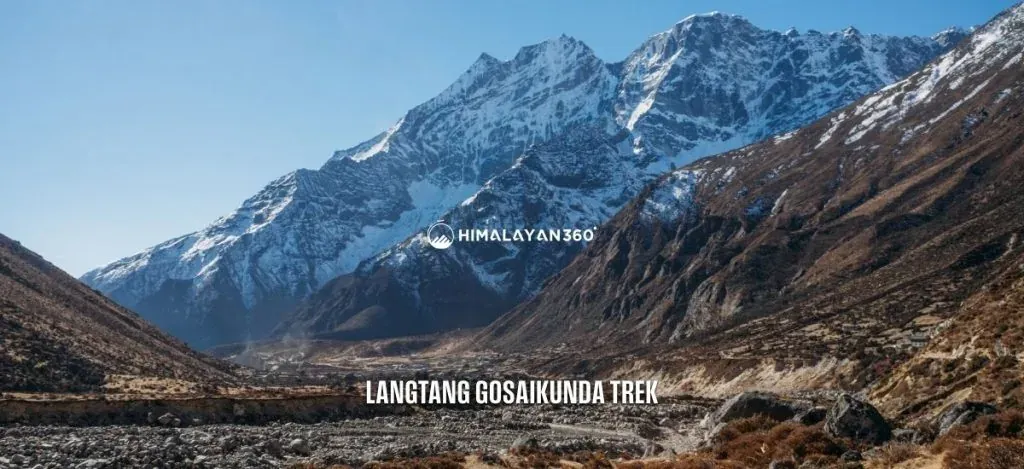
The Langtang Gosaikunda Trek offers an all-in-one experience through the village of Langtang to the sacred Gosaikunda Lake. Starting with a drive from Kathmandu to Syaprubesi, the trek is near Kathmandu, just 115km away within the Langtang National Park of Rasuwa district. It is ideal for those who prefer to experience mid-hills and high altitudes. It is also suitable for first-time trekkers as it only reaches up to 4,610 meters. The trek offers everything from deep gorges, pine and rhododendron forests, rocky terrain to yak pastures, monasteries, terraced farms, rural villages, Buddhist culture, and icy glaciers. The prominent highlight of this journey is a panorama of the Langtang range. The peaks included are Mount Dorje Lakpa, Langshisha Ri, Kyunga Ri, Changbu, Gangchenpo, Yansa Tsenji, and the Langtang Lirung. In 2015, the earthquake triggered an avalanche, causing massive loss to this valley. Many people died, and the trekking route was also closed until 2017. Hence, it is less commercialized. The community worked hard during these years and rebuilt the valley, keeping the essence of centuries-old monasteries. Now, in the present, it stands as a beautiful and strong valley yet to be discovered.
 Trek
Trek By air
 Pilgrimage
 Festivals
 Wildlife
 Luxury
 Yoga
Yoga Food
Food Heritage