
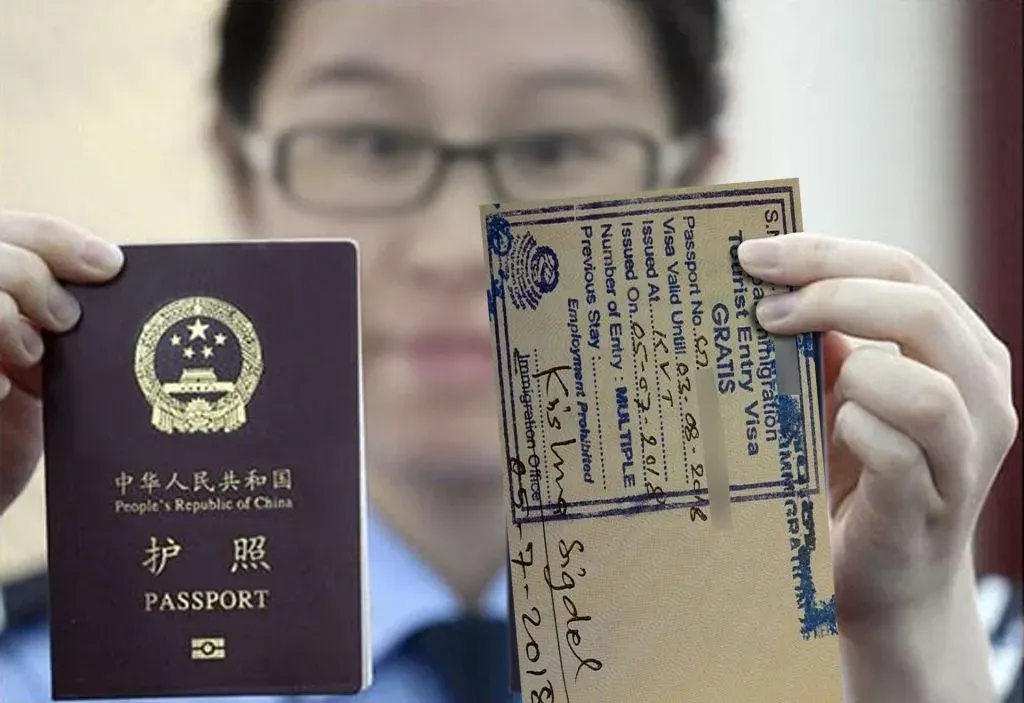
You’ll need to get two special trekking permits for the Makalu Base Camp. They are: the Makalu-Barun National Park and Conservation Area Permit and the Makalu Rural Municipality Permit. Without them, you can’t go to this relatively challenging and difficult-to-access trek, often overlooked by trekkers.
The permits are implemented to protect the fragile ecosystem in the remote glacial Barun Valley. For those few who choose this trek, it’s a rare chance to witness the endangered red panda and snow leopard. The fees support conservation efforts and also help local communities residing in the area. And they ensure it remains unspoiled so that these endangered species can have a lovely habitat.
| Permit | Who pays what | Where to get it |
|---|---|---|
| Makalu Barun National Park and Conservation Area Permit | NPR 100 (about USD 1) Nepali citizens, NPR 1,500 (about USD 15) SAARC nationals, NPR 3,000 (about USD 25) other foreign nationals. Children under 10 free | Online at the DNPWC e-ticket portal, collected at the Nepal Tourism Board office in Kathmandu or at Num and Seduwa |
| Makalu Rural Municipality Permit | USD 20 per person per week for the first four weeks, then USD 25 per week. Same for every nationality | Makalu Rural Municipality Office in Num, and checkpoints along the trail |
A Restricted Area Permit is only needed if your itinerary passes through the restricted villages named further down this page. A TIMS card is not required on this trek.
Required Permits for the Makalu Base Camp Trek
Makalu Barun National Park and Conservation Area Permit
One of the main permits required for the Makalu Base Camp Trek is the Makalu National Park and Conservation Area Permit. The cost of the Makalu National Park and Conservation Area Permit varies based on your nationality, as per the trekking permit fees in Nepal, published by the Nepal Tourism Board:
- Nepali citizens – 100 NPR (USD 1) per person per entry
- SAARC citizens – 1,500 NPR (USD 15) per person per entry
- Foreigners – 3000 NPR (USD 25) per person per entry
- Children under 10 years are exempt from fees.
Where to get: You can apply for a Makalu National Park and Conservation Area Permit online at the DNPWC e-ticket portal. Collect it from the Nepal Tourism Board (NTB) office in Kathmandu or the park entry points at the Num and Seduwa by showing your online application.
Tip: It’s better to get this permit in Kathmandu. Otherwise, you’ll have to wait in queues at the park entry point and checkpoint.
Makalu Rural Municipality Permit
Another permit you will require for the Makalu Base Camp trek is the Makalu Rural Municipality Permit. You need this permit to enter the Makalu region, as it is a protected national park and the home to Mount Makalu, the world’s fifth-highest peak. It helps manage access, enable sustainable tourism, and support local communities.
Its cost is the same for all trekkers.
- USD 20 per person per week for the first 4 weeks.
- USD 25 per person per week for each additional week beyond the first 4 weeks.
Where to get: Makalu Rural Municipality Office in Num, and checkpoints along the trail.
How Much Do the Permits Cost in Total?
For a standard 17 to 18 day Makalu Base Camp Trek, a foreign trekker pays roughly USD 85 in permit fees. The two permits are charged on different bases, which is what confuses people: the national park permit is a one-off entry fee set by nationality, while the municipality permit is charged by the week for as long as you are inside the area.
| Trekker | Park permit | Municipality permit, 3 weeks | Total |
|---|---|---|---|
| Foreign national | NPR 3,000 (about USD 25) | USD 60 | About USD 85 |
| SAARC national | NPR 1,500 (about USD 15) | USD 60 | About USD 75 |
| Nepali citizen | NPR 100 (about USD 1) | USD 60 | About USD 61 |
A 17 to 18 day itinerary spans three calendar weeks, so three weeks of the municipality permit is what to budget for. Add a fourth week if you are taking extra acclimatization days or combining the trek with the Barun Valley. Permit fees are a small part of the trip cost, but they must be paid in cash on the trail, so plan the withdrawal in Kathmandu or Tumlingtar rather than assuming you can settle up later. Everything protected by these fees is described in our guide to Makalu Barun National Park.
Required Documents for Makalu Base Camp Trek Permits
Among the two mandatory permits for the Makalu Base Camp Trek, the Makalu Barun National Park Permit is easier to get by yourself from the NTB office. However, they’ll check your original passport and a Nepal entry visa. For the other compulsory Makalu Rural Municipality Permit, you’ll need the following documents:
- Original passport with a valid Nepal entry visa
- Two Passport-size photos/ Digital copy
Additionally, the clerk will ask to see your licensed guide or his ID card. If you can’t show, the permit won’t be provided to you. Therefore, it’s best to let the trekking agency arrange permits to avoid any confusion and delays in receiving permits. Make their copies and also keep their colour scans on your device, as afternoon showers can dampen and even ruin regular printouts. And obviously, leading to soggy documents that can stall you at police or park posts.
How to Apply for the Makalu Base Camp Trek Permits
To obtain the required permits for the Makalu Base Camp Trek, first contact a local trekking agency. Reason: From April 2023, every foreign trekker inside national park areas in Nepal must hire a licensed guide. So, choose a reputable and trusted agency to avoid any delays, fraud, or other complications.
At Himalayan 360, we provide high-quality trekking services at the best prices. We assist you throughout your trip to Nepal, from arrival to departure. We handle all the paperwork and keep you informed about the progress. Fun fact: We hold a 100% permit success record, so you can rest assured. Plus, our guides and porters are all well-experienced to help you have an incredible journey to Makalu Base Camp.
Check our Makalu Base Camp Trek package for a detailed itinerary, pricing, or any other curiosities you may have regarding the trek.
Can I apply for the Trekking Permits myself?
Yes, you can also apply for the trekking permits on your own. Both the Makalu Barun National Park and Conservation Area Permit and the Makalu Rural Municipality Permit are available at the checkpoint office in Num or Seduwa. You can also get the Makalu Barun National Park and Conservation Area Permit in Kathmandu. However, you’re going to queue for the other permit anyway, so it’s better to get both together in Num or Seduwa. Just make sure you carry enough cash, as card readers are often offline here. You won’t find ATMs beyond Tumlingtar, which is a half-day’s drive from Num.
That said, the 2023 national park law still requires every foreigner to trek with a licensed guide. Since you must hire a guide anyway, it’s better to let a registered trekking agency handle everything, from guide contract to porter hire, transport tickets, and both permits. You won’t have to deal with a language barrier at rural offices. Agencies also keep digital copies of each permit and provide you with emergency contacts.
In short, you are legally free to collect the permits yourself, but many trekkers still see value in letting professionals handle the formalities so they can focus on the mountain experience.
Still confused? Please send us a message. We will be more than happy to answer your questions.
Do You Need a Guide and Porter to Get These Permits?
A licensed guide is not optional, and the permit desk will ask to see one. Since April 2023 every foreign trekker inside a Nepali national park has to walk with a licensed guide, and in Num the municipality clerk checks the trek guide's licence before the permit is issued. A porter is a separate question and is genuinely optional, though most people hire one because this is a long trek with several days between resupply points.
The practical effect is that you cannot obtain a permit as a wholly independent trekker here even though you can, in principle, apply for the paperwork yourself. Guide and porter arrangements are normally made in Kathmandu at the same time as the permits, which is why so few people do the paperwork separately.
Where the Permits Are Checked on the Makalu Base Camp Trek Route
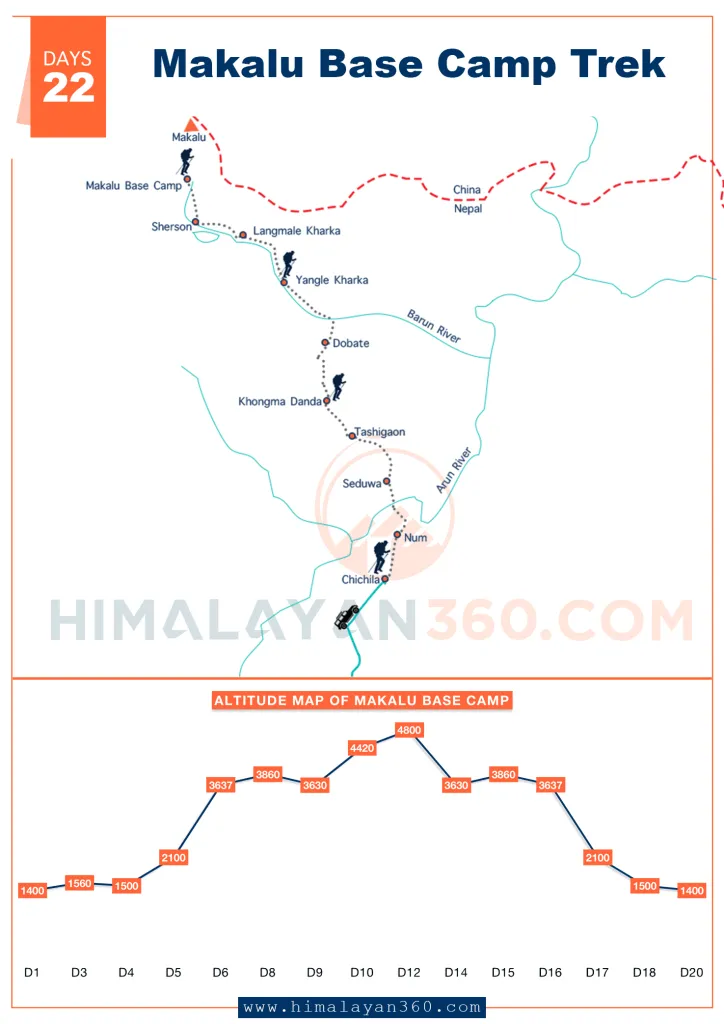
A trek permit is required at the entry to the region and both of yours are inspected again further in, so nobody should make the trek assuming the paperwork stops at the first desk. The Makalu Barun National Park entry permit is the one checked at the park gate; the municipality permit is the one checked in the villages. This is an expedition-level trek rather than a lodge stroll, and trekking in the Makalu region begins the moment you leave the road. The base camp route from Num starts with a steep drop to the Arun River and a climb the other side, and the trek to Seduwa on that first day is where you formally enter Makalu Barun National Park. From there the trails to Makalu Base Camp run through Tashigaon, over the passes at Khongma Danda, down to Dobate, and up the Barun Valley to the base of Mount Makalu itself.
Nothing on that route is a short detour, so a lost or forgotten permit is a real problem rather than an inconvenience. Keep both documents in the same dry bag as your passport, and expect to hand them over at every post. On the way back out the same posts stamp you through again, which is how the park closes your record.
Two things worth knowing about the walking itself while you are planning the paperwork. This is a tea house trek now rather than a full camping trek, though the lodges above Dobate are simple and can fill in the busy weeks. Older accounts describe it as a camping trek because that is what it was, and a few operators still run it that way, which changes nothing about the permits. And the best time to trek here is spring or autumn, which is also when the permit queues in Num are longest.
How These Permits Compare With Other Treks in Nepal
Every national park and conservation area in the country charges its own way, so the shape of the paperwork changes with the region. Set beside a trek in Nepal that most people have heard of, the Makalu system is simple but expensive over time, because one of its two permits is charged by the week rather than once.
- Everest Base Camp trek: two permits, the Sagarmatha National Park entry permit at NPR 3,000 for foreign nationals plus the Khumbu Pasang Lhamu Rural Municipality permit, both one-off. No TIMS card. Sagarmatha National Park has more permit offices and shorter queues than Makalu does.
- Annapurna Circuit trek and Annapurna Base Camp: an ACAP entry permit and a TIMS card, both issued in Kathmandu or Pokhara, both charged once.
- Kanchenjunga Base Camp trek: a restricted area permit as well as a conservation area permit, and the restricted permit means a minimum group size and an agency application. Makalu does not require this on the standard route.
- Makalu Base Camp trek: the two permits described above. Whether you require permits for a longer stay is decided by how many weeks you are inside the municipality, not by how far you walk.
That weekly charge is the one thing to model before you pay the permit, because it is what makes the permit cost here move with your itinerary rather than sit still. On most base camp treks in Nepal the permit cost is fixed the day you buy it; on the Makalu trek it is not. A short Makalu Base Camp option that turns round at the Makalu viewpoint spends fewer weeks inside the boundary and therefore costs less in municipality fees, while adding a Barun Valley extension adds a week. Our Makalu Base Camp Trek page carries the Makalu Base Camp trek itinerary and the full Makalu Base Camp trek cost, and the guide to Makalu Barun National Park covers what those fees actually protect.
One last point that belongs on a permit page even though it is not paperwork. The base camp sits under the south face of Makalu at an altitude where a view of Mount Makalu is worth very little if you are ill, so read our guide to altitude sickness prevention while you are still planning dates. Permits get checked; acclimatization does not, and it is the thing that actually stops people.
Getting Permit via Registered Agency, & Permit Check Point
Once the permits are processed and approved, you will get the physical or online permits. You need to show them at the Makalu Base Camp Trek checkpoints along the route. So, you should carry them safely throughout the trek.
Registering with Local Authorities
Ensure that you register with the local authorities, such as police posts and local government offices along the trek route. They’ll ask for your trekking permits, passport, and personal details. This step is for your safety. It enables the authorities to track your movements in the region, promoting sustainable tourism. And if there’s a natural disaster or any complications, they can easily send out a rescue team to help you.
Permits Checkpoints
During the trek, expect to encounter checkpoints where your permits will be checked. Keep your permits and identification readily accessible to ensure a hassle-free journey. These checkpoints are established to enforce trekking regulations and preserve the environment. On our trek, we’ll have to stop at these checkpoints:
- Num
- Seduwa
- Tashigaon
- Khongma Danda
- Dobate
- Makalu Base Camp
On your way back from Makalu Base Camp, you need to pass through these same checkpoints again, especially at Dobate, Tashigaon, Seduwa, and Num. This confirms your exit and ensures proper trekking records.
 Trek
Trek By air
 Pilgrimage
 Festivals
 Wildlife
 Luxury
 Yoga
Yoga Food
Food Heritage