
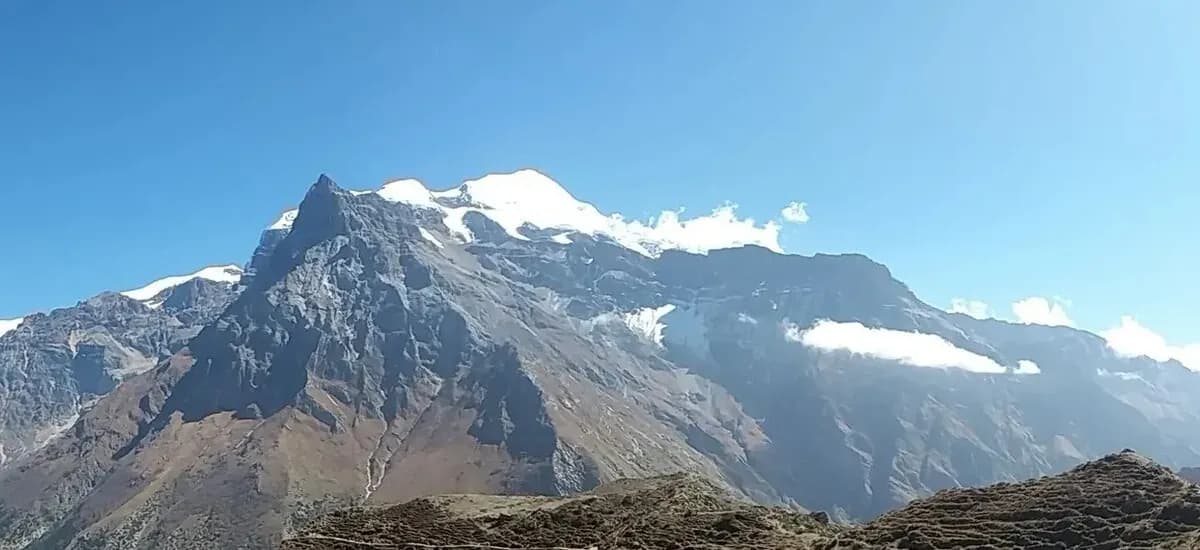
The Nar Phu Valley trek difficulty is moderate to challenging. The Nar and Phu village trek runs 18 days from Jagat (1,300M) to Kang La Pass (5,306M), asks for 6 to 8 hours of walking on most days and 300 to 700M of ascent daily, and spends several nights above 4,000M in villages with almost no facilities. Nothing on it is technical, but very little of it is close to help.
Nar Phu Valley, also known as “The Lost Valley,” sits in the Manang district of northwest Nepal, inside the Annapurna region of Nepal but behind a restricted-area boundary. It is a hidden valley in the literal sense: the Phu valley lies behind a gorge that hides it from the Annapurna Circuit trail a day's walk away. What makes it hard is isolation rather than gradient: the nearest hospital is days away in Manang, teahouses are few, and the pass is the only way across.
The difficulty of the Nar Phu route is a test of stamina and patience rather than skill. Long walks between Nar and Phu, the slow adjustment to altitude and unpredictable mountain weather are the three things that turn a good day into a hard one. With good fitness and 6 to 8 weeks of preparation, most trekkers finish it.
Overview of Nar Phu Valley Trek Difficulty at a Glance
| Factor | Detail |
|---|---|
| Grade | Moderate to challenging |
| Duration | 18 days |
| Highest point | Kang La Pass, 5,306M |
| Highest villages | Nar 4,110M, Phu 4,080M |
| Daily walking | 6 to 8 hours, 300 to 700M of ascent |
| Technical skill needed | None, but balance and sure footing near Kang La |
| Permits | Restricted Area Permit and ACAP, filed by an agency |
| Guide | Compulsory |
| Nearest hospital | Manang, several days away on foot |
| Best seasons | Spring (Mar to May) and autumn (Sep to Nov) |
How Difficult is the Nar Phu Valley Trek?
The Nar Phu Valley trek difficulty is moderate to challenging based on the points given below. This trek takes you through the remote villages of Meta, Nawal, Nar Phedi, across the high Kang La Pass, and into areas with very limited facilities. Let’s discuss the difficulty one by one.
Remoteness above 4,000M in the Annapurna region
One of the main factors contributing to the Nar Phu Valley trek difficulty is its extreme remoteness. Nar and Phu villages are located at 4,110M and 4,080M, respectively, in the northern highlands of the Annapurna region. There is very basic mobile network coverage or a regular supply route. You must carry essential gear, and medical facilities are minimal, with the nearest hospital in Manang (several days’ trek away). This isolation adds both challenge and the reward of experiencing the least-visited Himalayan valleys of Nepal.
Duration of the trek through Nar and Phu Villages
The 18-day Nar Phu Valley trek may add to its overall difficulty for beginners, as the long duration requires sustained stamina and careful acclimatization. Trekking from Jagat to Dharapani, Koto, and the remote villages of Phu and Nar, each day presents challenging climbs and descents. Crossing Kang La and descending to Nawal makes pacing important, and the extended itinerary makes sure you can handle the altitude while experiencing the remote landscapes of the Nar Phu valley and Tibetan-influenced culture. Which means the long duration has more positive aspects than difficulties.
Need to Meet Restricted Area Criteria
The challenges of the Nar Phu Valley trek are also influenced by its status as a restricted area. Trekkers must obtain special permits from the Nepalese government, including the Annapurna Conservation Area Permit (ACAP) and a Restricted Area Permit (RAP). This process involves submitting valid identification, passport copies, and trekking details. The application process can be tedious and requires approval from Kathmandu authorities before departure. This additional administrative step adds another layer of challenge to planning and completing the trek.
Solo Trekking Not Allowed
A unique administrative point about the Nar and Phu Valley trek is that it sits inside a restricted area. Until recently that meant a minimum of two trekkers on one permit. The Department of Immigration removed the minimum group size on 23 March 2026, so a single trekker can now be issued a Restricted Area Permit for Nar Phu. What has not changed is that you must still be accompanied by a licensed guide, and a maximum of seven trekkers may share one permit application. You cannot walk this valley genuinely alone, but you no longer need to find a trekking partner before you can apply.
Nar Phu Valley Trek Route: Koto to Kang La Pass
It is easier to understand the difficulty once you can see the shape of the trip itinerary. This is how you get to Nar Phu and what the standard Nar Phu trek route asks of you.
- Kathmandu to Besisahar to Jagat (1,300M). A long drive out of the Kathmandu valley, then a jeep on rough road to the stone village of Jagat.
- Dharapani to Koto (2,600M). Pine and fir forest with Annapurna II and Lamjung Himal ahead. Koto is where the restricted area checkpost is.
- Koto to Meta (3,560M). The trek through Koto's gate enters the Nar Phu region proper and the restricted valley begins, following the Soti Khola through forest and deep canyon before a steep climb to Meta.
- Meta to Phu Village (4,080M). Rock formations, gorges and the old Tibetan settlements at Chyakhu and Kyang. This is the longest day before the pass.
- Rest day in Phu. Used to explore Phu, its stone houses and the Tashi Lhakhang Monastery, with Himlung Himal above.
- Phu to Nar Phedi (3,490M). Back down the same rugged trail, crossing the Phu Khola, to a night in the lodge at Nar Phedi Monastery.
- Nar Phedi to Nar Village (4,110M). A short climbing day along the Nar Khola to the village of Nar, the highest settlement in the Nar valley.
- Nar to Nawal (3,660M) via Kang La Pass (5,306M). The day you cross the Kang La Pass, the highest point of the trek, with Annapurna II, Tilicho Peak and Chulu East from the top and a long descent past Ngawal.
- Nawal to Manang (3,540M). An easy walk that puts you back on the Annapurna Circuit.
A trip to Nar Phu is not a short trek. Trekking to Nar Phu takes 18 days from Kathmandu and back, and the itinerary for the Nar Phu Valley trek is built around two things: the acclimatisation rest day at Phu, and the single day that involves crossing the Kang La.
Technical Challenges
The trek to Nar Phu Valley also comes from the technical aspects of the trail. Trekkers face steep ascents and descents, loose rocks near Kang La Pass, and a narrow trail section between Phu and Nar Villages. While not a mountaineering route, these technical challenges demand good balance, trekking experience, and proper footwear to navigate safely.
Trek Itinerary and Terrain from Jagat to Kang La Pass
The Nar Phu trek covers diverse terrain, and its difficulty varies along the itinerary. The easiest sections are the lower trekking days from Jagat to Koto, with incremental climbs and well-marked trails. The hardest part is crossing the high Kang La Pass from Nar village to Nawal, where the altitude and steep ascents test even experienced trekkers. But for trekkers seeking remote Himalayan villages, high passes, and Nar-Phu landscapes, this route is the best choice.
Altitude and Acclimatization at Phu Village
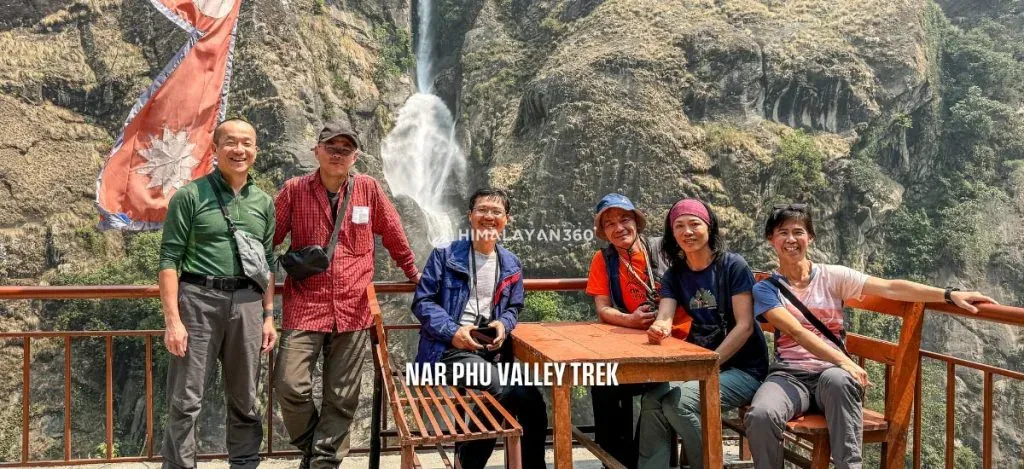
Altitude is a key factor in the Nar Phu Valley trek difficulty. The trek reaches Kang La Pass at 5,306M, while Nar and Phu villages sit above 4,000M. Proper acclimatization is essential to prevent altitude sickness, which can affect trekkers even on moderate climbs. Our Nar Phu Valley trek itinerary includes acclimatization days in Phu Village and gradual ascents from Dharapani to Koto, helping the body to adjust. High passes, long walking days, and thin air make this trek more demanding than many other trekking routes in the Annapurna region
18 Days
Nar Phu Valley Trek
$1,099
5.0(6 reviews)
The Nar Phu Valley Trek follows a remote route through the Annapurna region, passing the villages of Nar and Phu. Opened to trekkers only in 2003, this restricted area is the kind of place where Tibetan Buddhist traditions shape the landscape, and the mountain views of Annapurna II, Manaslu, Dhaulagiri, and Huichuli steal the show. Fair warning: this trek isn’t easy. It’s one of Nepal’s toughest, so prepare your legs and strong determination. Starting and ending in Kathmandu, the journey usually takes about three weeks. But the actual trek starts from Jagat. Don’t expect crowded trails or fancy teahouses here. You’ll only find thick forests, high-altitude calm, and villages where locals’ hospitality is the real five-star treatment. If you enjoy peaceful travel, culture, and natural beauty, this trek is more than perfect. We at Himalayan 360 proudly offer the best 18-day Nar Phu Valley Trek package. Contact us directly or continue reading below to find out what makes this trek so special.
Weather Challenges across the Upper Nar and Phu Regions
The weather is a major factor in the difficulty of Nar Phu. The region experiences cold temperatures year-round, with winter nights dropping below -10°C in Nar and Phu villages. Pre-monsoon (spring) and post-monsoon (autumn) offer the most stable weather, but sudden snowstorms and high winds can occur near Kang La Pass (5,306M). You’ll face icy trails, rocky terrain, and limited shelter along the route. Proper clothing, layered gear, and awareness of changing conditions are essential for safety.
Physical Fitness and Well-being Required
Physical fitness plays a big role in the Nar Phu trek difficulty. The trek involves 6-8Hours of walking most days, steep climbs to villages like Nar (4,110M) and Phu (4,080M), and a difficult ascent over Kang La Pass. You need strong stamina, good cardiovascular health, and the ability to handle altitude stress. Proper training before the trek, such as hiking on steep terrain, strength exercises, and endurance building, is essential to complete the journey safely.
Language Barrier
Language is another challenge to the trek. The people of Nar and Phu villages speak a Tibetan-influenced dialect that is very different from Nepali and English. For instance, a simple word like “water” is spoken as “chu” in the Nar Phu village, “pani” in Nepali, and “water” in English, showing how quickly language barriers can arise on the trail without a translator or licensed guide. Since a few villages understand the outside languages, miscommunication may occur on the trail or in homestays, which makes a knowledgeable guide essential for both safety and cultural connection.
Nar Phu Trek Difficulty Level vs the Annapurna Circuit Trek
The Nar Phu trek is considered harder than the Annapurna Circuit Trek it branches off, and the difficulty level of the Nar Phu route sits between the popular teahouse trails and true expedition trekking. It crosses a higher pass than the Manaslu Circuit but takes fewer consecutive walking days than either of the long circuits, and it has by far the thinnest infrastructure of the three. Against a base camp trek such as the Everest Base Camp trek, the altitude is comparable and the lodges are not: there is no Namche and no rescue clinic on this side.
| Trek | Highest point | Duration | Grade | Guide required |
|---|---|---|---|---|
| Nar Phu Valley | Kang La Pass, 5,306M | 18 days | Moderate to challenging | Yes, restricted area |
| Manaslu Circuit | Larkya La Pass, 5,106M | 14 to 18 days | Strenuous | Yes, restricted area |
| Annapurna Circuit | Thorong La Pass, 5,416M | 10 to 12 days | Moderate | No |
If you are weighing the two restricted routes against each other, the Manaslu Circuit Trek difficulty, distance and best season guide sets out what the longer circuit asks of you.
Best Time to Trek Nar Phu and When It Is Hardest
The best time to trek in Nar Phu is spring or autumn, and season changes the difficulty more than any other single factor on this route.
- Spring, March to May. Stable weather and the second-best window. Snow can still sit on Kang La in early March, so late April and May are the safer half of the season.
- Autumn, September to November. The most reliable weather of the year, clear air after the monsoon and the best chance of an easy pass crossing. It is also the busiest window on an otherwise empty trail.
- Winter, December to February. Nights in Nar and Phu drop below -10°C, Kang La holds snow and lodges thin out. Only for experienced winter trekkers.
- Monsoon, June to August. If you trek during the monsoon, expect rain, cloud and slippery ground on the lower approach, though the upper valley sits in a partial rain shadow. Visibility is the problem more than the walking.
Nar Phu Valley Trek Cost
The Nar Phu trek cost is higher per day than an open-area trek in Nepal because of the restricted area permit and the compulsory guide. Our 18-day Nar Phu Valley Trek starts at USD 1,099 and covers permits, the guide and porter, transport from Kathmandu, and teahouse accommodation on the trail. What sits outside that is your international flights, insurance, gear and the drinks and snacks you buy in the villages. Budget extra cash for Nar Phedi, where the monastery lodge takes donations rather than a fixed rate.
Tips to Overcome Nar Phu Valley Trek Difficulty
- Train before the trek: Build stamina with hiking, cardio, and strength exercises at least 6-8 weeks in advance
- Acclimatize properly: Follow the 18-day itinerary and use rest days at Phu and Manang to avoid altitude sickness
- Hire a licensed guide: Solo trekking is not allowed; a guide also helps with language and local navigation around difficult sections like Nar Village to Nawal via Kang La Pass.
- Get permits early: A safe trek starts with paperwork. You’ll need a Restricted Area Permit (RAP) and ACAP, processed through a registered trekking agency like”Himalayan 360″ in Kathmandu.
- Carry cash: ATMs are unavailable beyond Jagat; bring enough Nepali rupees for the whole trek.
- Start days early: Weather near Kang La Pass can change quickly, so beginning treks in the morning is safer.
- Respect local culture: Visit monasteries like Tashi Lhakhang in Phu respectfully, and follow village customs
- Prepare for emergencies: Nearest major health post is in Manang; carry a basic first aid kit and altitude medicine.
Conclusion
The remote Nar Phu Valley trek is challenging, but that is what makes it so special. Trekkers who explore the Nar Phu valley are choosing a Nar Phu trek in Nepal over the easier and busier routes for a reason, and a trek in the Nar Phu region rewards that choice. You’ll face long walking days, high altitude, and the isolation of villages like Nar and Phu. Kang La Pass demands stamina and focus, while the lifestyle and basic lodges remind us how remote this region is. Nar Phedi monasteries, Tibetan-influenced culture, and beautiful views of Annapurna I (8,091M) and Himlung Himal (7,126M) turn every effort into a treasure. With preparation, fitness, and the right guidance, the Nar Phu Valley trek difficulty becomes a journey worth embracing.
 Trek
Trek By air
 Pilgrimage
 Festivals
 Wildlife
 Luxury
 Yoga
Yoga Food
Food Heritage