
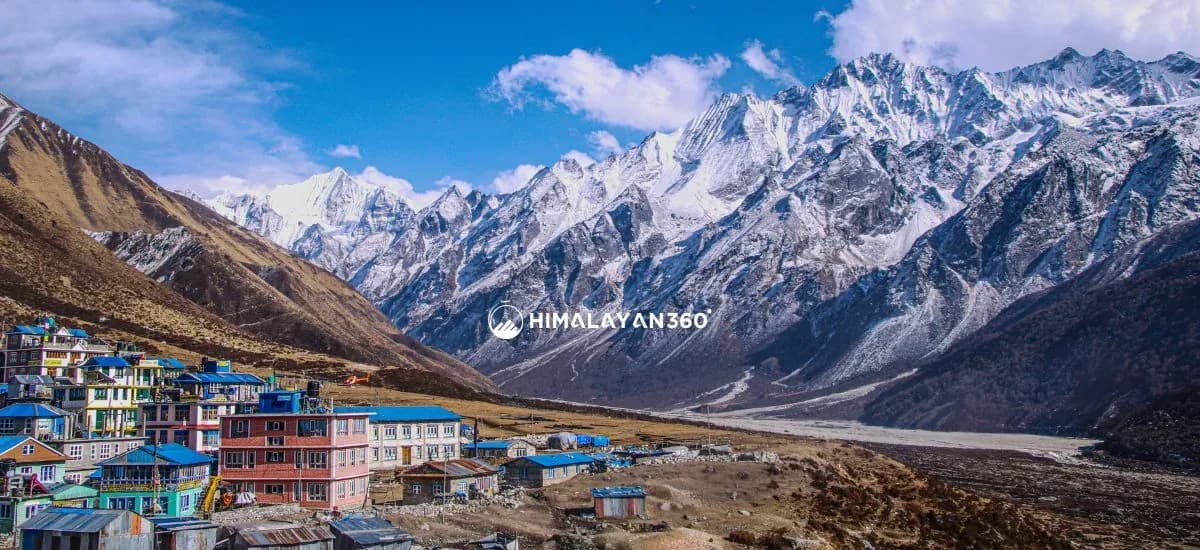
The Langtang region, located in northern Nepal with the border of Tibet, is a treasure trove of natural beauty and culture. Major Attractions in Langtang Region include the Langtang Valley, the Gosaikunda Lake, and peaks such as Langtang Lirung (7,227M), Yala Peak (5,500M), and Tserko Ri (4,984M). Trekkers also spend days in Tamang villages such as Gatlang, Thuman, and Briddim to experience the local Tibetan culture.
This region is not just about mountains. Langtang National Park protects rare wildlife such as red pandas, Himalayan tahr, and snow leopards. Trekkers can enjoy glacier views, waterfalls, and alpine meadows full of wildflowers. Located just a few hours’ drive north of Kathmandu, the Langtang region provides perfect trekking options for adventurers of all experience levels.
This guide runs through the major attractions of Langtang region in roughly the order the trails reach them. Every attraction of Langtang region listed here falls inside the same protected area, split between the Langtang and Gosaikunda valleys, and each one is located in the Langtang region within a week’s walk of the road head. That is what makes Langtang as a whole an unusual trekking destination: you can explore the major attractions of an entire Himalayan region without a domestic flight or a three-week holiday.
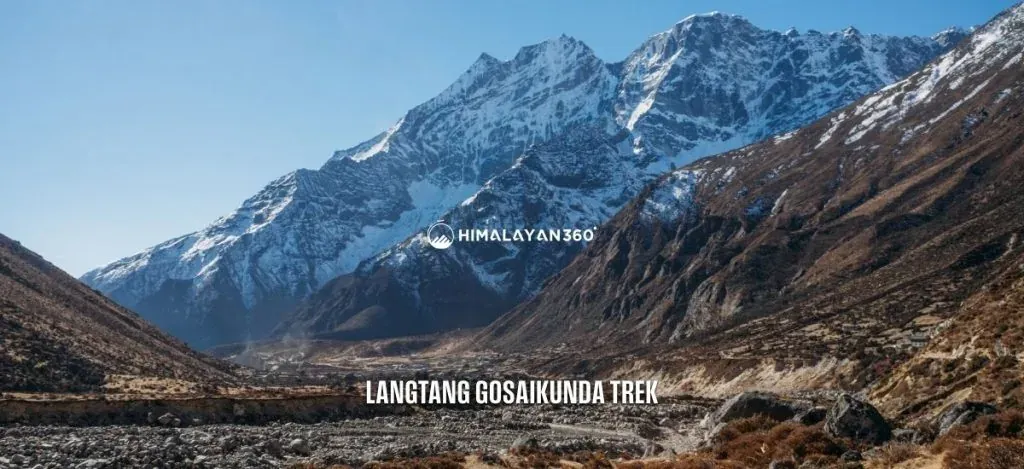
Langtang Valley and the Langtang Glacier
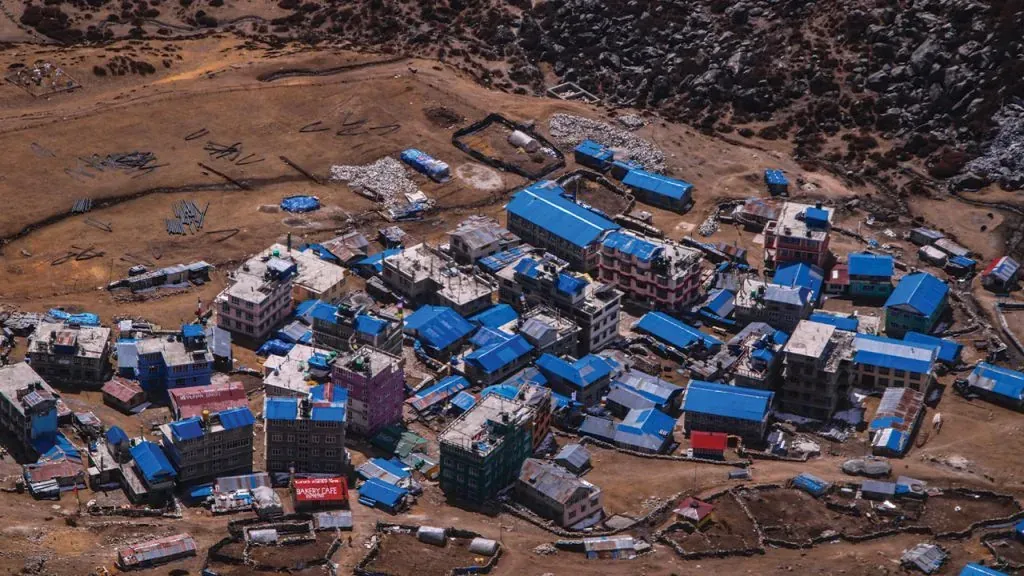
Langtang Valley, often called the “Valley of Glaciers,” is surrounded by Langtang Lirung, which stands as the highest peak in the range. The Langtang Glacier is the largest glacier in the region and fills the head of the valley, while the Lirung Glacier drops straight off Langtang Lirung and feeds the Langtang River below Kyanjin. Between them they are why the valley carries its nickname, and any view of Langtang from the upper trail takes in at least one of them. The landscape changes clearly with height. Lower areas have bamboo and oak forests, which are known habitats of red panda. Higher sections open into alpine grasslands where local people graze yaks. When exploring major attractions in Langtang Region, Langtang Valley is a must-visit for its natural beauty and cultural richness.
Langtang Valley is home to the Tamang people, who call themselves Langtangpa. Their culture has a strong connection to Tibetan Buddhism and older shaman traditions. Kyanjin Gompa at 3,870M is the spiritual center of the valley and a home to a historic monastery. In 2015, a powerful earthquake triggered a massive avalanche from Langtang Lirung. Around 40 million tons of rock, ice, and snow buried the original Langtang Village. An estimated 243 to more than 300 lives were lost. A new village was later rebuilt about 100 to 500M east of the old site on safer ground.
Kyanjin Ri and Tserko Ri
Kyanjin Ri is located above Kyanjin Gompa in the upper Langtang Valley near the Tibetan border. It is the most accessible viewpoint in the region and is used for altitude adjustment. The lower summit reaches about 4,350M while the higher point rises to around 4,773M. The round trip takes 2 to 4 Hours. From the top, you see Kyanjin Gompa village below and the full Langtang Lirung Glacier. It is the shortest walk from which to see the Langtang Lirung glacier end to end, and the sweeping views of Langtang Lirung from the ridge make the most photographed panorama of Langtang anywhere on the trek. The glacier is active, and loud ice cracks can often be heard in the valley.
Tserko Ri is the highest trekking viewpoint in the Langtang region trek and is about 4,984M tall. It is a full-day hike that takes 6 to 8 Hours. The climb is challenging and tests physical strength and focus. The result is a wide mountain view in every direction, with the surrounding peaks including Langtang Lirung and Yala Peak on one side and the Langtang and Jugal ranges closing the eastern skyline. The views of the Langtang valley from up here run its whole length. On clear days, trekkers can see deep into Tibet and spot peaks such as Shishapangma (8,027M). Yala Peak and Dorje Lakpa can also be seen. This viewpoint offers one of the most complete mountain scenes in the Langtang Valley.
Kyanjin Gompa
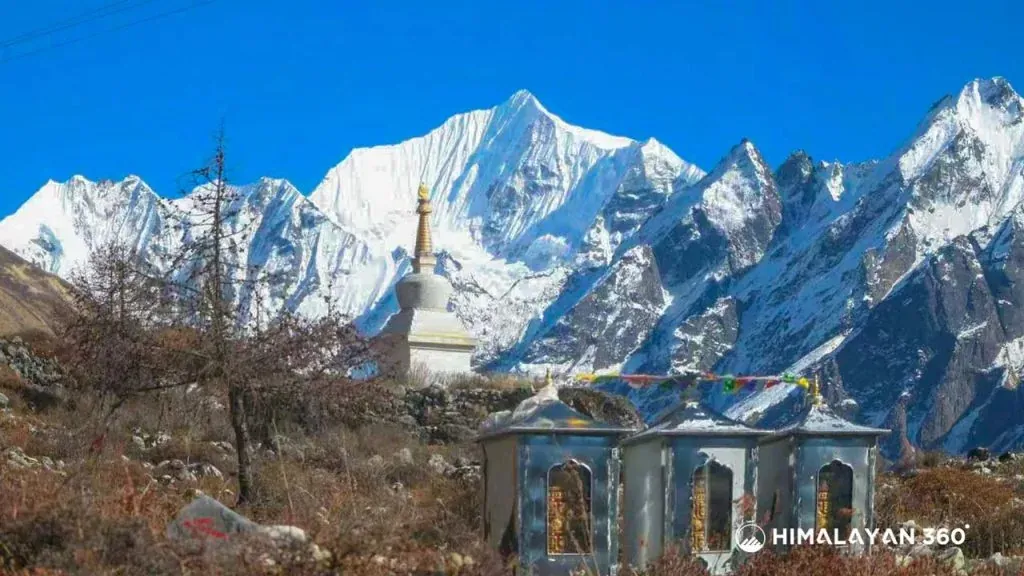
Kyanjin Gompa lies at about 3,870M and is the highest permanent settlement in the Langtang Valley. It is the final stop of the Langtang Valley trek and plays a main role in altitude adjustment. The village is named after this Buddhist monastery, which is a must-visit site. Visitors can admire its traditional Tibetan architecture, carvings, murals, thangka paintings, and observe the daily rituals and meditation practices of the resident monks.
Kyanjin Gompa is also known for its yak cheese factory, which began with Swiss support in the 1950s. The cheese is made from local yak milk and supplies much of the valley. Festivals such as Sonam Lhosar, Buddha Jayanti, Langsisha Mela, Janai Purnima, and Mani Rimdu bring the community together through prayer, music, and masked dances.
Tamang Heritage Villages like Tarkeghyang and Sermathang area
The Langtang Valley and the Tamang heritage villages are two halves of the same region rather than separate trips. The villages of Tarkeghyang and Sermathang lie in the Helambu region of the Langtang area and are considered as the major attractions in Langtang Region. These villages are home to the Yolmo people, who have a distinct language and cultural identity. Hospitality is a strong part of daily life here.
Tarkeghyang (2,600M) was one of the largest and most affluent villages in the region. It is home to one of the oldest and most beautiful Gompas in Helambu. The interior is filled with murals and massive statues of Guru Rinpoche. “Tarke” means “one hundred,” and “Ghyang” means “monastery,” referring to the legend that the village was established by a monk who built 100 monasteries.
Sermathang lies slightly lower at around 2,590M and is famous for its apple orchards. Unlike the deep gorge of Langtang, Sermathang offers a beautiful view of the Ganesh Himal, Jugal Himal, and even the Everest range on a very clear day.
Langtang National Park
Langtang National Park was established in 1976 as Nepal’s first Himalayan national park. It covers about 1,710 sq km and extends from low forests below 1,000M to the summit of Langtang Lirung. This height range creates a strong landscape contrast. Subtropical hills slowly rise into alpine zones and icy peaks. The national park and its buffer zone together protect almost the whole of the Langtang Himal, and the national park and its surrounding villages are managed as a single unit. The Langtang region is home to three of the most popular trekking routes in central Nepal, and all three sit inside this boundary. The park sits close to the capital, which makes it one of the most accessible protected mountain areas in Nepal. Among the major attractions in Langtang Region, Langtang National Park stands out for its stunning landscapes and biodiversity.
The park protects rich plant and animal life. Scientists have recorded 18 ecosystems and around 14 vegetation types inside the park. Forests of oak, maple, and rhododendron cover the middle hills. Higher zones hold alpine shrubs and permanent snow. Langtang National Park is a key habitat for the red panda and Himalayan tahr. Musk deer, black bears, and snow leopards also live here. The park also includes Gosaikunda Lake (4,380M), which is sacred to Hindu and Buddhist pilgrims.
Gosaikunda Lake
Gosaikunda is the highest-profile single attraction in the region and the one that draws visitors who are not trekkers at all. The lake sits at 4,380M in Rasuwa district, inside Langtang National Park, on the ridge dividing the Langtang Valley from Helambu. It is not one body of water but a complex of 108 lakes, including Saraswati Kunda, Bhairav Kunda and Surya Kunda, and the whole wetland was listed as a Ramsar site in 2007.
The lake is sacred to Hindus and Buddhists alike. Hindus hold that Lord Shiva created it with a strike of his trident during the Samudra Manthan, and every August, at Janai Purnima, thousands of pilgrims and Jhankri shamans climb to it for the holy dip. Buddhists connect the same site to Guru Rinpoche. The background to both traditions is set out in why Gosaikunda Lake is sacred.
For trekkers, Gosaikunda is reached from Dhunche through Sing Gompa and Lauribina, which the Gosaikunda Short Trek covers in five days, or as an extension of the Langtang Valley over Lauribina La (4,610M), a pass located in the Langtang region that links the lakes to Helambu.
Nagthali Viewpoint
Nagthali Viewpoint stands at about 3,165M and is the highest point on the Tamang Heritage Trail. It lies between the villages of Tatopani and Thuman. The viewpoint is situated on an open grassy plateau, offering beautiful mountain views without extreme altitude. From here, trekkers can see the Langtang and Ganesh Himal ranges together with the Jugal range, and the view of Langtang Lirung from this plateau is the best on the Tamang Heritage Trail. On clear days, the Shishapangma peak of Tibet can also be seen.
The name “Nagthali” translates to “Snake Plateau” (Nag meaning snake and Thali meaning flat land/plateau). For even better views, many trekkers take a short additional hike (about 1.5–2Hours) from Nagthali to Taruche Viewpoint (also known as Taruche Peak), which is located even closer to the Tibet border
Kimshung Glacier
Kimshung Glacier lies inside Langtang National Park and forms part of the upper Langtang Valley landscape, making it one of the major attractions in Langtang Region. It is best seen from Kyanjin Gompa and from high points such as Tserko Ri. The glacier flows down from Tsangbu Ri, which is about 6,781M near the Tibet border. It runs just north of the Langtang River valley and parallels the larger Langtang and Lirung glaciers. The area lies about 80KM north of Kathmandu, in Rasuwa District.
Kimshung Glacier plays an important role in the region often called the Valley of Glaciers. Meltwater from the ice connects with streams and supports the river system of the valley. Studies show the glacier has been shrinking over recent decades due to rising temperatures. A thick layer of rock and soil now covers much of its surface. This clear change makes the glacier a useful sign of how the climate is changing in the central Himalayas in 2026.
Why Langtang Is Different From Other Popular Trekking Regions
Langtang stands out for its easy access and strong local culture. It offers a true mountain experience without long travel time or heavy crowds. Here’s why Langtang stands out from other trekking regions.
- Easy access from Kathmandu: The trail starts at Syabrubesi after a 6 to 8Hour drive. No domestic flights are needed.
- Fewer crowds: Langtang sees far fewer trekkers than Everest and Annapurna, and teahouses are easier to find even in peak season.
- Strong Tamang culture: Villages reflect Tibetan culture through monasteries, prayer walls, and daily traditions. Tourism has had less influence here than in other regions.
- Valley of Glaciers: The region offers forests, alpine meadows, and large glaciers within a short walking distance.
- Moderate difficulty: Most treks take 7 to 10 days with slow altitude gain. The highest overnight stop is around 3,870M, which lowers altitude risk.
- Community support: Trekking in Langtang directly helps local families who rebuilt their lives after the 2015 earthquake.
The classic Langtang Valley trek takes in most of this list in 8 to 10 days. Even a short Langtang Valley itinerary that turns around at Kyanjin Gompa reaches the glaciers, the monastery and the two ridge viewpoints, and the Langtang Valley trek is best judged on exactly that: almost every headline attraction is on the standard route rather than off it.
Perfect Time to Visit the Langtang Region
The perfect time to visit the Langtang Region is spring (March to May) and autumn (September to November). Autumn gives the clearest skies and the sharpest mountain views, which matters most for viewpoints like Tserko Ri and Nagthali. Spring gives the rhododendron bloom and the best chance of seeing wildlife, including the red panda in the forests below Ghodatabela.
Winter and monsoon each suit one kind of visitor. Winter is cold and snowy above 3,500M but very quiet, and monsoon turns the valley green while making the road to Syabrubesi unreliable. Gosaikunda is the exception to the seasonal rule, because its biggest day of the year is Janai Purnima in August, in the middle of the monsoon. Month-by-month temperatures, rainfall and packing advice are in our guide to weather in Langtang.
Conclusion: The Major Attractions of Langtang Region in One Trip
Langtang stands out as one of Nepal’s most rewarding trekking regions. From the glacier-filled Langtang Valley and viewpoints like Kyanjin Ri and Tserko Ri to cultural centers such as Kyanjin Gompa and the Tamang heritage villages, the region offers nature and culture in equal balance. It suits beginners and experienced trekkers alike and supports locals to rebuild their community with determination and honor. A trek to Langtang gives you the glaciers, the lakes, the viewpoints and the villages in one pass, and the highlights of the Langtang region are close enough together that nothing has to be cut. If you want a Himalayan journey that feels authentic and peaceful, Langtang and its people are hard to beat.
8 Days
Langtang Valley Trek
$449
5.0(10 reviews)
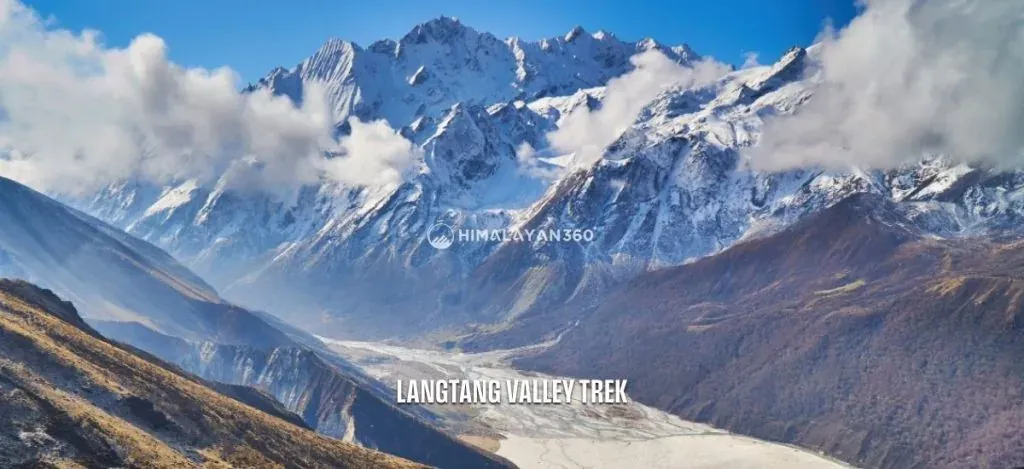
Have you ever dreamed of trekking in the Himalayas but worried that overcrowded trails will ruin the adventure? The 8-days Langtang Valley Trek is the perfect solution to this dilemma. Located just north of Kathmandu, the trek can be reached within a 6-hour drive, with no flights required. Fully rebuilt after 2015 earthquake and safer than ever, this trek offers a Tamang Himalayan experience rather than a Sherpa-focused one, while directly supporting the economic growth of the local community. This trek is fully focused on nature. You will cross the Langtang Khola and Bhote Koshi rivers using simple suspension bridges made of steel or wood, with minimal modern modification You can also see Langtang Lirung (7,234M), Dorje Lakpa (6,966M), Gangchempo (6,388M), Yala Peak (5,500M), and many other snow-covered mountains throughout the journey. The trekking route also connects with high Himalayan passes used by local traders and yak herders for many years. Villages in the Langtang valley still follow old Buddhist traditions. During festivals like Sonam Lhosar (Jan–Feb) and Buddha Jayanti (May), local people gather for prayers, dancing, singing, and family celebrations. Trekkers can see yak farming, the cheese-making process, and traditional stone and clay houses that portray the lifestyle of the high Himalayas. The route from Syabrubesi to Lama Hotel and Langtang Village up to Kyanjin Gompa lies inside Langtang National Park, the first Himalayan national park of Nepal, established in 1976. The park covers around 1,710 sq km and protects forests, rivers, glaciers, and alpine grasslands. The region is inhabited by red pandas, Himalayan black bears, musk deer, snow leopards, and over 250 species of birds including Himalayan Monal (the national bird of Nepal). If you want capture mountain views without going on a long expedition, the Langtang Valley Trek is one of the best choices in Nepal. Pack your boots, charge your camera, and get ready to walk in one of the most loved Himalayan valleys.
13 Days
Langtang Gosainkunda Trek
$659
5.0(11 reviews)
The Langtang Gosaikunda Trek offers an all-in-one experience through the village of Langtang to the sacred Gosaikunda Lake. Starting with a drive from Kathmandu to Syaprubesi, the trek is near Kathmandu, just 115km away within the Langtang National Park of Rasuwa district. It is ideal for those who prefer to experience mid-hills and high altitudes. It is also suitable for first-time trekkers as it only reaches up to 4,610 meters. The trek offers everything from deep gorges, pine and rhododendron forests, rocky terrain to yak pastures, monasteries, terraced farms, rural villages, Buddhist culture, and icy glaciers. The prominent highlight of this journey is a panorama of the Langtang range. The peaks included are Mount Dorje Lakpa, Langshisha Ri, Kyunga Ri, Changbu, Gangchenpo, Yansa Tsenji, and the Langtang Lirung. In 2015, the earthquake triggered an avalanche, causing massive loss to this valley. Many people died, and the trekking route was also closed until 2017. Hence, it is less commercialized. The community worked hard during these years and rebuilt the valley, keeping the essence of centuries-old monasteries. Now, in the present, it stands as a beautiful and strong valley yet to be discovered.
 Trek
Trek By air
 Pilgrimage
 Festivals
 Wildlife
 Luxury
 Yoga
Yoga Food
Food Heritage