
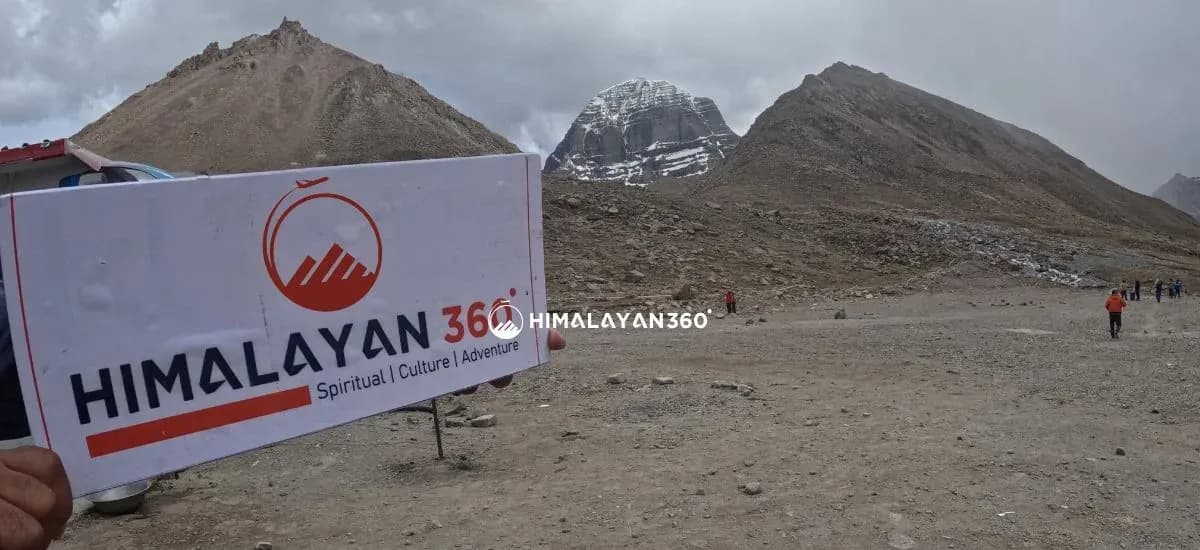
Why is Mount Kailash sacred is a question asked by pilgrims, scholars, and travelers from across the world. Mt Kailash is considered sacred because it is believed to be the home of Lord Shiva in Hinduism and a central spiritual axis of the universe. It is also holy in Buddhism, where it is known as Mount Meru. And in Jainism, the first Tirthankara attained liberation, and in the Bon religion, it is the seat of spiritual power. No one is allowed to climb the mountain, which shows the respect shared by multiple faiths for over 2,000 years.
Mount Kailash stands at about 6,638M in western Tibet and drains four major Asian rivers that are the Indus, Sutlej, Brahmaputra, and Karnali. This landform is considered even more holy because many cultures view water as life-giving. Each year, thousands of pilgrims walk a 52 km circuit called the Kailash Kora, believing it cleanses past actions. Nobody has ever climbed Mount Kailash, so the sacred peak stays shrouded in mystery in a way no other mountain of its size manages, and people still see it as spiritually pure today.
Geographical Location and Features of Mount Kailash
Mount Kailash is located in the Ngari Prefecture of the Tibet Autonomous Region of China. You will find it close to the western border zone near India and Nepal. Even though the mountain is sacred to South Asia, it lies fully inside Chinese territory. The peak of Mount Kailash is about 6,638 m above sea level. It stands within the Gangdise Range, the mountain range that forms part of the Trans-Himalaya system, and the block of summits around it is often called the Kailash range.
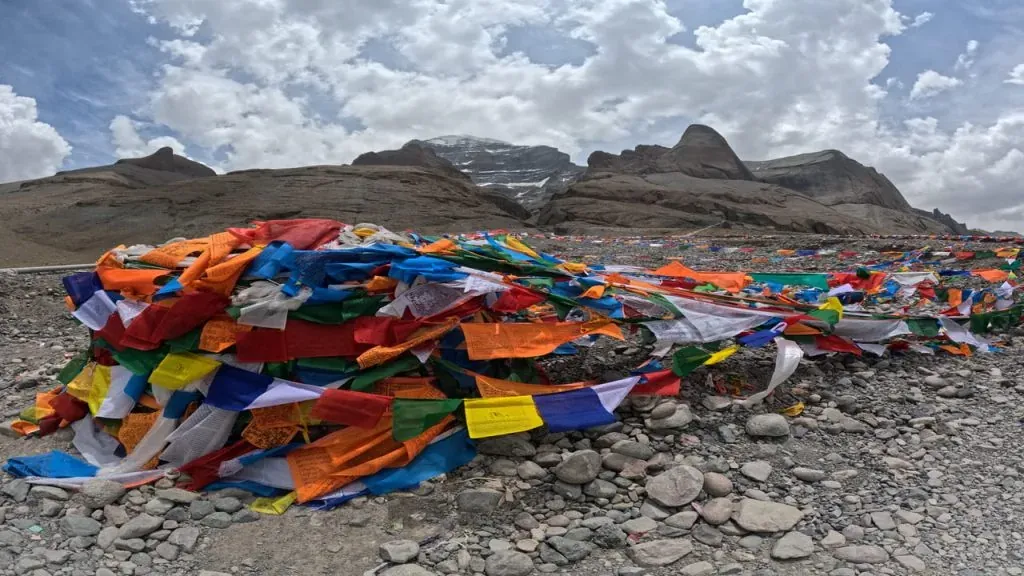
What makes the mountain physically unique are facts about Mount Kailash you won’t believe. The majestic peak has a pyramidal shape that looks almost perfectly made. Its four faces are steep and align with the north, south, east, and west directions. This alignment makes its spiritual meaning stronger in many different cultures. The mountain is made of dark rock formed from ancient sea layers. These rocks were pushed upward when the Indian and Eurasian plates collided millions of years ago. The valleys surrounding Mount Kailash hold sacred locations of their own, including Lake Mansarovar and the meditation caves used by early practitioners near Mount Kailash.
Mount Kailash Is Not Adi Kailash
Two mountains share most of a name and pilgrims mix them up constantly. Mount Kailash is the 6,638 m peak in Tibet described on this page. Adi Kailash, also called Chota Kailash, is a separate mountain in the Pithoragarh district of Uttarakhand in India, reached overland from Dharchula.
The difference matters practically, not just geographically. Adi Kailash stays inside India, so it needs no Chinese Group Visa, no Tibet Travel Permit and no border crossing. Mount Kailash needs all three, plus a group booking through a registered operator, because independent travel into the region is not allowed. The traditions described below, including the kora and the holy dip at Lake Mansarovar, belong to the Tibetan peak.
Mount Kailash in Hindu Beliefs
In Hindu belief, Mount Kailash is honored as the home of Lord Shiva. Hindus believe Shiva lives on the summit in deep meditation with Goddess Parvati. Their children, Ganesha and Kartikeya, are also connected to this sacred space. Ancient texts describe Mount Kailash as the center of the world. It is seen as a real form of Mount Meru, which holds the universe in balance. This belief gives the mountain a meaning beyond geography.
Many Hindu stories make this place even more sacred. One famous tale tells how Ravana tried to lift Mount Kailash to prove his strength. Shiva pressed the mountain down with a toe and humbled him. Ravana then prayed for forgiveness through devotion. Another story says Shiva came to Kailash after drinking deadly poison to save the world. He meditated here to restore balance. Pilgrims walk a 52 km path around the mountain during the Kailash Mansarovar Yatra. Many believe that completing one round can clear a lifetime of wrong actions.
Importance of Mount Kailash in Buddhism
In Buddhism, Mount Kailash is honored as the spiritual center of the universe and identified with the mythical Mount Meru. In the Tibetan language, it is called Kang Rinpoche, meaning Precious Jewel of Snow. The mountain is viewed as a living holy space where the land itself shows the presence of an awakened mind. Vajrayana Buddhists believe it is the home of Chakrasamvara, known as Demchok. The mountain is also connected with Buddha Shakyamuni and Guru Rinpoche, who created Tibetan Buddhism.
One of the most important stories is linked to the Yogi Milarepa. In the 11th century, he faced a Bon master in a test of spiritual power. The challenge was to reach the summit first. Milarepa reached it instantly by riding a ray of sunlight. This event strengthened Buddhist beliefs across Tibet. In 2026, the Tibetan Year of the Horse takes place during this period. Buddhists believe that one walk during this time is equal to thirteen normal walks, and the reward they describe is spiritual enlightenment rather than a lighter conscience. This belief draws pilgrims from across Asia.
Mount Kailash in the Jain Tradition
In Jain belief, Mount Kailash is sacred as the place where Lord Rishabhadeva attained final liberation. Rishabhadeva is known as the first Tirthankara and the teacher of the Jain path. Jains call the mountain Ashtapada, which means Eight Steps. This name reflects the belief that the path to freedom has clear stages. Ancient Jain texts describe this peak as the site of complete spiritual release.
Many stories are very important in the Jain tradition. One belief says Rishabhadeva reached perfection here after a life of renunciation. The Eight Steps are believed to be located on the southern face of the mountain. Many followers see natural rock formations there as signs that support this belief. Jain tradition also speaks of shrines built by Emperor Bharata to honor his father. These memorials were said to mark the path of all twenty-four Tirthankaras.
Sacred Meaning of Mount Kailash in Bon Religion
In the Bon religion, Mount Kailash is seen as the source of all spiritual power. Bon is the oldest spiritual tradition of Tibet and existed before Buddhism. Followers call the mountain Yungdrung Gutseg, which means Nine Story Swastika Mountain. Bon texts describe the mountain as the link between heaven and earth. You will find it described as the center of the ancient Zhang Zhung kingdom. This region helped form early Tibetan culture and beliefs. Mount Kailash became the spiritual heart of this lost civilization.
Bon belief says the mountain is the home of Sipaimen, known as the “Queen of the World”. She represents wisdom, love, and protection. It is also believed that Tonpa Shenrab Miwoche descended here from the sky. He taught the Nine Ways of Bon to humanity from this sacred place. The mountain is imagined as a crystal shape that ascends in steps from a lotus base. A natural rock on the south side is seen as a holy sign.
Why Mount Kailash Is Never Climbed
Mount Kailash has never been climbed because it is sacred to multiple religions and protected by law. At 6,638 m it sits far below Mount Everest and is well within technical reach, so nobody has climbed Mount Kailash for want of ability. In practice, faith and ethics stop all attempts. Unlike Everest, where trekkers walk up to Everest Base Camp and climbers go higher every season, no permit of any kind exists for the slopes of Kailash. Hinduism, Buddhism, Jainism, and Bon all believe the summit must remain untouched. Hindus see it as the home of Lord Shiva. Buddhists view it as the center of the universe. Jains and Bon followers also treat the peak of Kailash as a place beyond human reach. Even famous climbers have refused to try. Reinhold Messner declined the idea in the 1980s out of respect. He stated that climbing it would harm spiritual beliefs.
There is also a strict government ban on climbing the mountain. The Chinese authorities control the region and do not issue climbing permits. In 2001, a proposed foreign expedition caused global concern. This led to a formal prohibition on all summit attempts. You are allowed to walk around the mountain instead. This walk is called the Kora or Parikrama. Physical conditions also discourage climbing. Storms, strong winds, and freezing temperatures are common, and there are no rescue systems or climbing routes.
Pilgrimage Traditions and the Kailash Parikrama
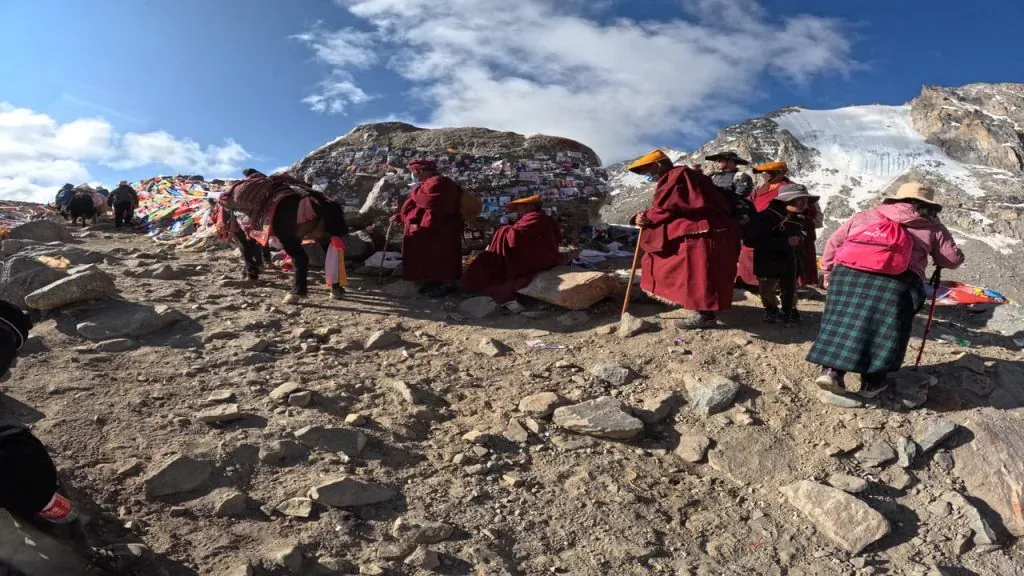
Mount Kailash is a sacred site and a pilgrimage destination for four religions at once. A Kailash pilgrimage means the Mount Kailash Parikrama, the ritual circuit of the peak, whichever faith you follow, and all four traditions treat it as a sacred pilgrimage rather than a walk. Hindus, Buddhists, Jains, and followers of the Bon religion all worship it. Each faith follows its own traditions and rituals at the mountain. Here’s a clear table with details.
| Aspect | Hinduism | Buddhism | Jainism | Bon Religion |
| Primary Ritual | Kora/Parikrama | Kora | Focus on Meditation | Kora |
| Direction of Kora | Clockwise | Clockwise | Varies, according to pilgrims | Counter-clockwise |
| Sacred Lake Activity | Holy dip in Lake Manasarovar | Circumambulation of Lake Manasarovar and meditation | less priority on bathing rituals compared to Hindus | Association with the sky goddess |
| Main Ritual Sites | Yama Dwar, Gauri Kund, Charan Sparsh | Dirapuk, Zutulpuk monastries | Astapada, Saptarishi Caves, Nandi Parvat | Tarboche flagpole |
| Milestones | One Kora cleanses one lifetime of sins; 108 Koras lead to moksha. | One Kora cleanses a lifetime of sins; 108 Koras lead to enlightenment. | Reaching the site is the end of spiritual effort and freedom from rebirth | The kora is believed to cleanse past karmic actions. |
Why Lake Mansarovar Is Sacred Too
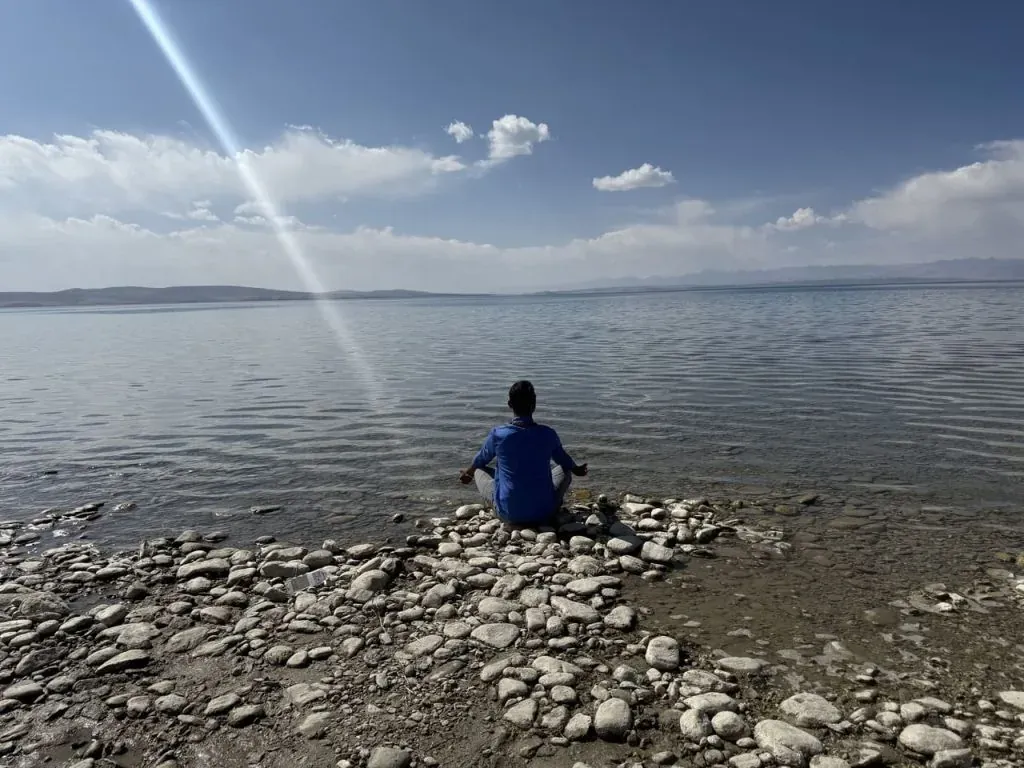
Mount Kailash is rarely worshipped alone. Lake Mansarovar, a freshwater lake at 4,590 m at the foot of Mount Kailash, is the second half of the pilgrimage and one of the highest freshwater lakes in the world. Hindu tradition holds that it was created by Lord Brahma, and pilgrims take a ritual dip at its edge, believed to cleanse past actions. Buddhist pilgrims circumambulate the lake and meditate on its shore rather than bathe in it.
Beside it lies Lake Rakshastal, saline and empty of fish, and the pairing is part of what makes the site meaningful. One lake gives life, the other does not, and they sit within sight of each other under the same peak. Note that a holy dip at the shore is permitted but swimming in the lake is prohibited by Chinese authorities, both to protect the ecosystem and to preserve the sanctity of the site. Every itinerary on the Kailash Mansarovar Yatra includes a night or a morning at Mansarovar before the kora begins.
How to Explore Mount Kailash Today
Reading about the sacred mountain and standing under it are different things. The route to Kailash runs overland from Kathmandu through the Kerung border, overland from India through Lipulekh or Nathu La, or by helicopter from Simikot to Hilsa. Independent travel is not permitted, so any Mount Kailash tour has to be booked as a group through a registered operator who arranges the Chinese Group Visa and the Tibet permits. The season for a Kailash tour runs from May to September, and outside it the Kailash region is closed. If you want to explore Mount Kailash properly rather than see the sacred Mt Kailash from a distance, our Kailash Mansarovar Yatra route guide compares the options, and the Mount Kailash and Lake Mansarovar Yatra itinerary shows what a full Mount Kailash Yatra involves.
Conclusion
Mount Kailash is sacred as it stands at the center of four major belief systems: Hindus, Buddhists, Jains, and Bon. The spiritual significance of the mountain is not confined to one tradition, and its spiritual importance has outlasted every empire that has governed the plateau. People wonder why it is never climbed, and the answer is faith, law, and ethics. The spiritual journey continues through the Kailash Kora, which is the main ritual for visitors. There are different types of Kailash Kora, including the outer, inner, and rare full circuit. Each type holds deep meaning and personal challenge. Walking around the mountain is believed to bring peace, clarity, and renewal. You do not need to climb to feel its power.


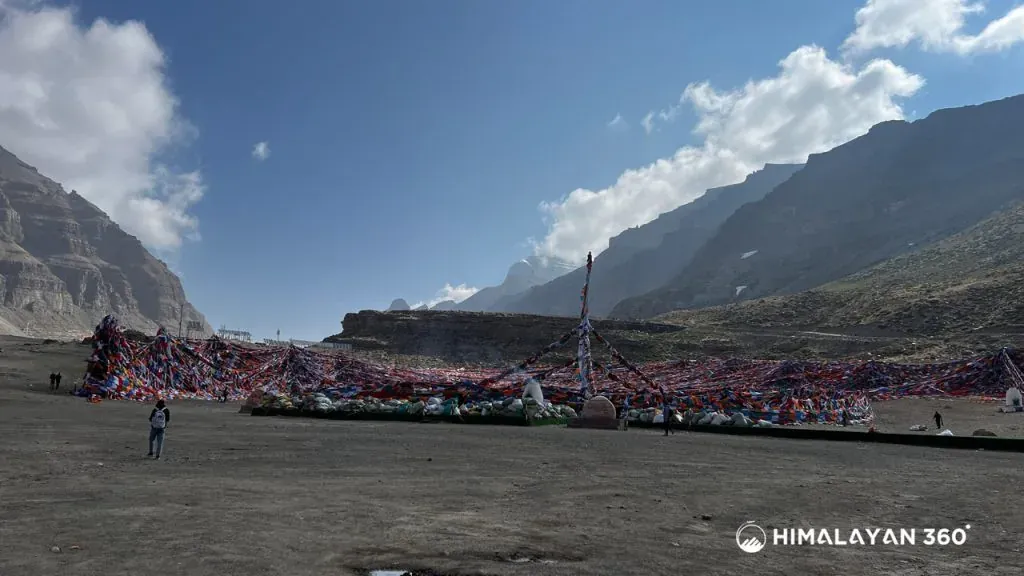
14 Days
Kailash Mansarovar Yatra
$2,770
5.0(6 reviews)
The Kailash Mansarovar Yatra from Nepal is one of the world’s most demanding and most revered pilgrimages — a journey to Mount Kailash (6,638 m) and the sacred Lake Mansarovar on the high plateau of western Tibet. This is our 14-day overland yatra, departing from Kathmandu and crossing into Tibet at the Rasuwagadhi–Gyirong border. It is the route most pilgrims choose: slower than the helicopter, which means your body acclimatises properly instead of being dropped at altitude, and far less expensive. You travel through the Himalayan foothills, over the Tibetan plateau, past Lake Mansarovar, and finally around Mount Kailash itself on the three-day Kora. Mount Kailash is held sacred by four faiths. Hindus know it as the abode of Lord Shiva. Buddhists know it as the seat of Demchog (Chakrasamvara). Jains revere it as the place where their first Tirthankara attained liberation. For Bon followers it is the axis of the world. Lake Mansarovar, at its foot, is believed in Hindu tradition to have been created by Lord Brahma. We have operated this pilgrimage since 2014. We arrange the Chinese Group Visa, all four Tibet-side permits, accommodation, transport, meals, oxygen and a medical kit, and Nepali- and Hindi-speaking support throughout. Groups run 5–20 pilgrims. 2027 departures are open now. Bookings for the May–September 2027 season are being taken from August 2026, and the earlier you book, the better your choice of date.
Kailash Mansarovar Yatra by Helicopter
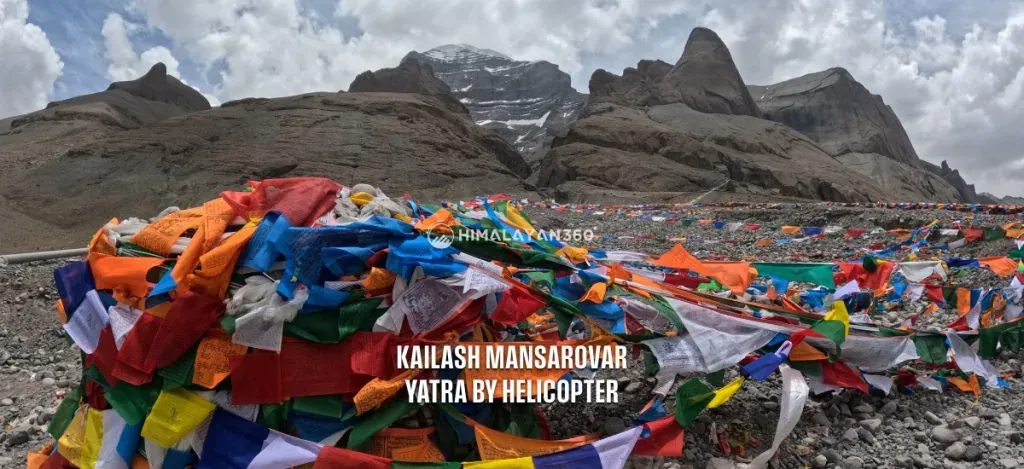
11 Days
Kailash Mansarovar Yatra by Helicopter
$4,395
What could be more fascinating than visiting two of Tibet’s most iconic spiritual landmarks, Mount Kailash and Lake Mansarovar, by helicopter? Himalayan 360 offers an 11 days Kailash Mansarovar Yatra by Helicopter. Located in the Far Western region of Tibet, Mount Kailash rises 6,638M above sea level like a perfect diamond. Beside it lies the holy Mansarovar Lake, the largest freshwater lake in Tibet. Together, they are believed to be a sacred source of divine energy and inner peace. These sites hold deep religious significance across Hinduism, Buddhism, Jainism, and Bon communities. The 11-day Mount Kailash and Mansarovar tour by helicopter begins in Kathmandu. In Kathmandu, you will visit Pashupatinath Temple. Then from Kathmandu, you will take a flight to Nepalgunj, from there to Simikot, and then take Heli to Hilsa. From Hilsa, after completing border formalities, you will drive to Taklakot (Burang) and spend a day acclimatizing while exploring the area. The following day, you’ll travel from Taklakot to Mansarovar via Chiu Gompa, then proceed to Taraboche. Taraboche is the starting point of the sacred Kailash Kora (circumambulation). The first day of the Kora leads to Dirapuk. By the next 2 days, you will finish Kora. Thousands of pilgrims perform this sacred circumambulation each year to seek spiritual purification and blessings from Lord Shiva. This itinerary is ideal for travelers who want to do the Kailash Kora and visit Mansarovar Lake without trekking for many days. Every year, between May and September, we operate this tour package for you. We also provide the Kailash Mansarovar Yatra Tour without a helicopter. Note: Helicopter costs change frequently, contact us for recent price.
 Trek
Trek By air
 Pilgrimage
 Festivals
 Wildlife
 Luxury
 Yoga
Yoga Food
Food Heritage