
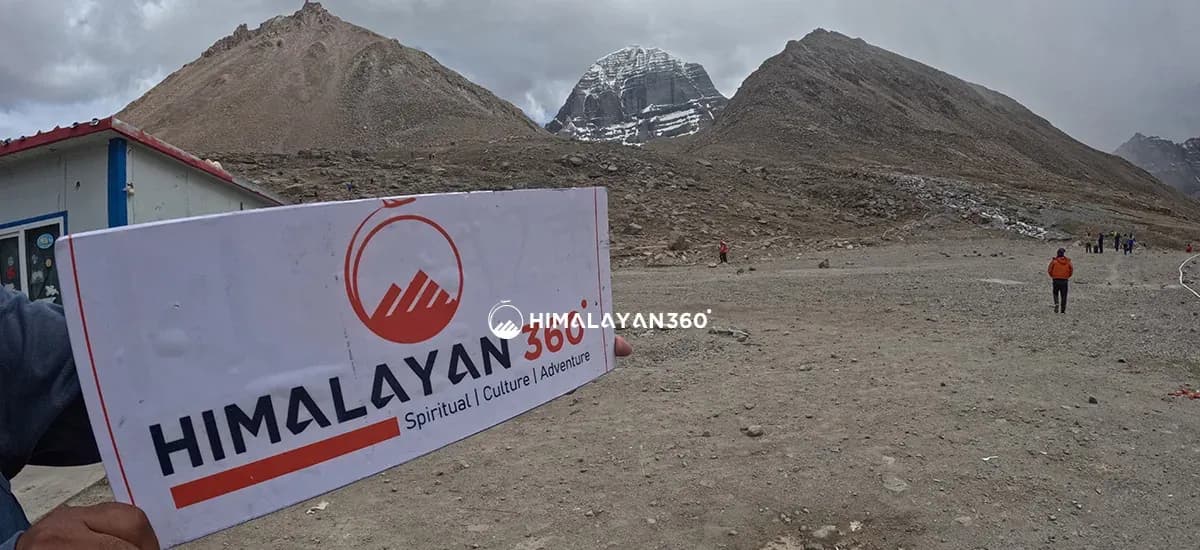
Knowing how to do Kailash Mansarovar Yatra is the first step toward visiting one of the most sacred pilgrimage sites in Asia. The journey is best done by joining a tour operator that travels to Mount Kailash and Lake Manasarovar through Nepal, India, or Tibet. Indian pilgrims often call the peak Kailash Parvat, and the Mount Kailash Mansarovar journey is the same trip under any of those names. Most travelers start from Kathmandu or from India and follow a planned route that includes permits, transport, and the 3-day Mount Kailash Parikrama on foot.
The journey is not only spiritual. Planning a Kailash Mansarovar Yatra takes real work, because the region lies on the remote Tibetan Plateau. Planning a trip here is closer to arranging an expedition than to booking a holiday. Travelers must arrange a Chinese visa, Tibet travel permit, and join a registered travel agency like Himalayan 360. Most routes from Kathmandu reach western Tibet by crossing the Himalayan border, either by road or helicopter. Pilgrims then travel to Lake Mansarovar and begin the Kailash Kora, a 52 km circular walk that crosses Dolma La Pass and takes three days. A Kailash yatra booked this way is a fixed-date group departure rather than a private itinerary.
How to Do the Kailash Mansarovar Yatra Step by Step
The yatra is not something you can turn up and do. It is a booked, permitted, group journey, and the sequence below is the order the steps actually have to happen in. A successful Kailash Mansarovar Yatra is mostly a matter of doing them in that order.
- Pick your route first, because everything else follows from it. The Nepal overland route from Kathmandu via Kerung is the most common and gives the best acclimatisation. The Simikot and Hilsa helicopter route is the fastest. The Lipulekh and Nathu La routes are run by the Indian government. A full comparison sits in the Kailash Mansarovar Yatra route guide.
- Check that you are eligible for it. The Lipulekh and Nathu La routes are open only to Indian citizens and allocate places by a computerised draw at kmy.gov.in. The Nepal routes are run by private operators and are open to all nationalities, including NRIs and OCI holders.
- Booking goes through a registered operator. Independent travel into the Tibet Autonomous Region is not allowed, so joining an organised group is not a preference but a legal requirement. Book 6 to 9 months ahead for the best dates and the best price.
- Get your passport in order. You need the original passport with at least six months of validity beyond your return date and two blank pages, plus 2 to 3 passport photographs. Indian nationals on the Nepal route also submit an Aadhaar card or voter ID copy as proof of nationality.
- Hand the permit work to your operator. The Chinese Group Visa, Tibet Travel Permit and Alien's Travel Permit are all filed on your behalf, and approvals take a few weeks, which is normal for Tibet travel.
- Pass a medical check and buy the right insurance. A medical fitness certificate from a registered doctor is mandatory. Ask specifically about cover for high-altitude rescue and evacuation, since a helicopter lift off the plateau is expensive and slow.
- Train before you fly. Walk or jog 45 to 60 minutes a day and climb stairs for several weeks beforehand. Fitness will not stop altitude sickness, but it decides whether you walk the kora or hire a horse.
- Pack for cold, sun and altitude. Layers, waterproof boots, UV400 sunglasses and a warm sleeping bag are the non-negotiables. The full Kailash Mansarovar Yatra packing list covers the rest, including what to rent in Kathmandu instead of buying.
- Arrive in Kathmandu with two spare days. Border formalities, weather and permit timing all move. Groups that build slack into the itinerary finish the Kailash Parikrama. Groups that do not sometimes miss it.
Understanding the Kailash Mansarovar Yatra and Kailash Parvat
To truly understand the Kailash Mansarovar Yatra, you need to see it as more than just a trek. It is a once-in-a-lifetime spiritual journey to what many believe is the center of the universe, and a sacred journey to Mount Kailash rather than a holiday. The spiritual significance of Mount Kailash is shared by four major religions.
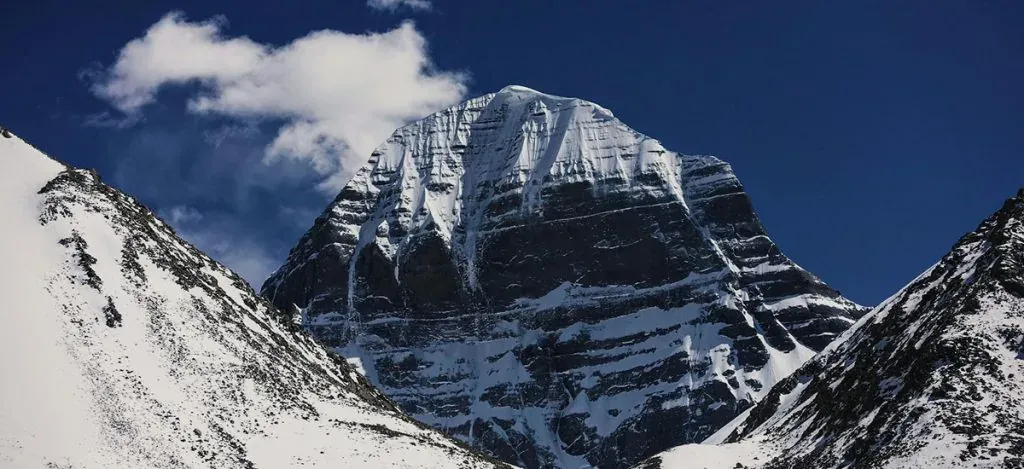
One clarification before you plan anything. This yatra goes to Mount Kailash in Tibet, the 6,638 M peak beside Lake Mansarovar. It is not Adi Kailash, sometimes called Chota Kailash, which is a separate mountain in the Pithoragarh district of Uttarakhand in India. Adi Kailash tours stay inside India and need no Chinese visa or Tibet permit, so nothing on this page applies to them.
Hindus believe the mountain is the home of Lord Shiva and Goddess Parvati. Buddhists call the mountain Kang Rinpoche and connect it with Demchok (Chakrasamvara), a symbol of wisdom. Jains believe it is the place where Rishabhadeva reached liberation. Followers of the ancient Bon religion also consider the mountain the center of spiritual power.
The main ritual of this pilgrimage is walking the Kailash Kora. People also visit Lake Mansarovar, and many take a ritual bath in its cold, clear water, which is believed to clean them spiritually. Near it lies Lake Rakshastal, a salty lake that is very different from the fresh waters of Mansarovar. Together, these holy places make this spiritual journey one of the most important pilgrimages in Asia, and the reason the Kailash yatra fills months in advance.
Best Routes and Kailash Mansarovar Yatra Route Options
There is no single best Kailash Mansarovar Yatra route. The right route to Mount Kailash depends on your days, your budget and your fitness, and all travel to Kailash is by group whether you go Kailash Mansarovar Yatra via Kathmandu or via Lhasa. Pilgrims can reach Mount Kailash and Mansarovar Lake through several travel routes that combine road journeys and short trekking sections. The most common overland routes are the traditional path through Lipulekh Pass and the modern road route through Kerung from Kathmandu. Some travellers also choose a faster helicopter option across the Himalayas. Each route offers different travel time, cost, and physical effort, but all lead to the same spiritual Kailash destination in western Tibet. Below, we have discussed both routes in detail.
Overland Yatra via Kerung or Lipulekh (Budget & Scenic Route)
The overland Yatra via Kerung begins from Kathmandu and travels toward Mount Kailash and Lake Mansarovar through the Himalayan border passes of Kerung or Lipulekh Pass. The journeys take about 14 to 16 days, depending on the itinerary. The cost of this budget-friendly route ranges between USD 2,770 and USD 3,250 per person, depending on group size and services.
| Day | Route | Distance (Approx.) | Key Highlights |
|---|---|---|---|
| 1 | Arrival In Kathmandu | 5KM | Airport pickup, short briefing about the pilgrimage |
| 2 | Explore Temple In Kathmandu | 30KM | Visit Pashupatinath Temple, Boudhanath Stupa, and Budhanilkantha Temple |
| 3 | Trip Preparation and Briefing | 5KM | Permit process, packing check |
| 4 | Drive towards Nepal Tibet Border | 145KM | Trishuli River, Rasuwa Gadhi border |
| 5 | Drive to Kyirung | 98KM | Gyirong Port, Gyirong Town |
| 6 | Acclimatization at Kyirung | – | Short hikes around Gyirong Valley |
| 7 | Drive from Kyirung to Saga | 230KM | Saga, views of the Brahmaputra River |
| 8 | Drive From Saga To Mansarovar/Darchen | 547KM | Paryang, first view of Lake Mansarovar |
| 9 | Drive To Lake Mansarovar And Back To Darchen | 80KM | Lake Mansarovar, Darchen |
| 10 | First Day Of Kailash Outer Kora – Trek To Dirapuk | 12KM | Yam Dwar, Dirapuk Monastery |
| 11 | Second Day Of Kailash Outer Kora – Trek To Zuthulpuk | 22KM | Dolma La Pass, Gauri Kund, Zuthulpuk Monastery |
| 12 | Drive To Saga | 8KM | Return via Darchen and Tibetan plateau highway |
| 13 | Drive Back From Saga To Kyirung | 230KM | Saga, Gyirong Town |
| 14 | Drive Back To Kathmandu | 243KM | Rasuwa Gadhi, drive along the Trishuli River back toKathmandu |
Kailash Yatra with Helicopter Experience (Fastest & Comfortable Option)
The Kailash Mansarovar Yatra by helicopter is the fastest way to reach the majestic Mount Kailash. The journey starts from Kathmandu with a flight to Nepalgunj, followed by a helicopter ride to Simikot and Hilsa near the Nepal–Tibet border. This route takes 9 to 11 days and reduces long road travel across the Himalaya, with breathtaking views of the range on the way in. The cost changes depending on helicopter prices, the travel season, weather conditions, and the size of the travel group.
| Day | Route | Distance (Approx.) | Key Highlights |
|---|---|---|---|
| 1 | Arrival In Kathmandu And Transfer To The Hotel | 5KM | Welcome briefing, views of the Kathmandu Valley, |
| 2 | Explore Pashupatinath Temple And Fly To Nepalgunj | 30KM | Hindu rituals on the Bagmati River, evening flight over the Terai plains |
| 3 | Fly From Nepalgunj To Simikot To Hilsa And Drive To Taklakot (Burang) | 27KM | Scenic helicopter flight, remote Humla landscapes |
| 4 | Acclimatization Day At Taklakot (Burang) | – | views of the dry Tibetan plateau and hills |
| 5 | Drive From Taklakot (Burang) To Mansarovar | 105KM | The first view of the sacred lake region |
| 6 | Drive To Taraboche And Start Kailash Kora | 12KM | Beginning of the circumambulation and views of the north face of Mount Kailash |
| 7 | Second Day Of Kailash Outer Kora – Trek To Zutulpuk | 22KM | Crossing the highest point of the pilgrimage |
| 8 | End Of Kailash Parikrama – Drive To Taklakot (Burang) | 8KM | Completion of the Kora and return through high plateau terrain |
| 9 | Drive Back To Sher And Trek Down To Hilsa, And A Helicopter Ride To Simikot | 27KM | Short border trek and aerial views of the Himalayas |
| 10 | Fly From Simikot To Nepalgunj And Fly Again To Kathmandu | – | Mountain flight across western Nepal |
Cost Breakdown & How to Save Money on Yatra
Understanding the Kailash Mansarovar Yatra Cost helps the travelers to plan the trip without financial surprises. The overall cost ranges from USD 2,700 to USD 5,500, based on the route, services, and travel season. The main costs include Tibet permits, guide services, transport, accommodation, food, and border arrangements. The table below gives you a clear cost breakdown.
| Category | Cost Range (USD) | Tips to Save Money |
|---|---|---|
| Tibet Travel Permit & Visa | USD 300 – 450 | Join a group tour, so permit fees are shared |
| Transportation (Bus / Jeep in Tibet) | USD 400 – 800 | Choose land travel instead of helicopter routes |
| Helicopter Flights (if chosen) | USD 1,200 – 2,500 | Avoid helicopter routes if on a budget |
| Accommodation (Guesthouses & Hotels) | USD 200 – 450 | Stay in standard guesthouses instead of luxury hotels |
| Food & Meals | USD 120 – 250 | Choose package meals offered by tour operators |
| Yak / Porter for Kora | UD 80 – 180 | Carry your own daypack if physically able |
| Travel Insurance | USD 80 – 150 | Buy insurance early online for lower rates |
Difficulty Level and Planning a Trip on the Tibetan Plateau
The journey to Mount Kailash and Mansarovar Lake in 2026 is considered moderately difficult to challenging. Most of the pilgrimage takes place above 4,500M on the Tibetan Plateau. At this height, the oxygen level is only about 50 to 60% of what people experience at sea level. The most challenging part is the 52KM Kailash Kora, where pilgrims walk 6 to 10 hours each day on rocky mountain paths and cross Dolma La Pass (5,630M). Previous trekking experience helps, although the Kailash trek is short by Himalayan standards and the Kailash Mansarovar trek is really only three walking days.
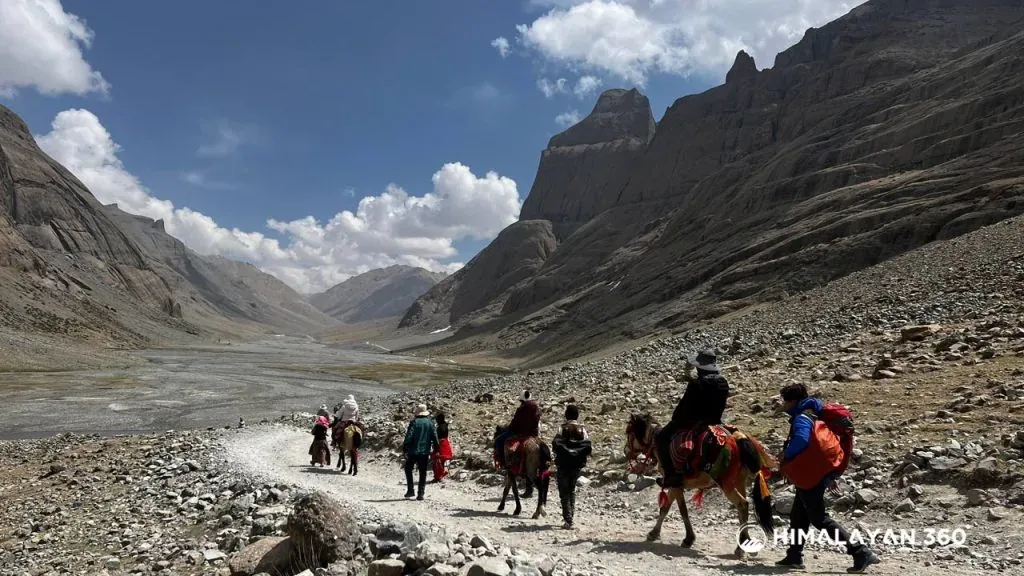
Preparation should begin several weeks before the journey. Regular walking or jogging for 45 to 60 minutes a day builds stamina for long trekking hours. Stair climbing is useful because it prepares the body for tall mountain passes. A full medical checkup is also recommended before joining the pilgrimage. Check your heart health, lung function, and blood pressure to make sure the body can handle high altitude conditions during the Kailash Mansarovar tour.
Documents and Permits You Need
Independent travel to Mount Kailash is not permitted, so the paperwork is filed by your operator rather than by you. What you supply is small. What has to be approved is not. The Kailash Mansarovar Yatra visa process runs as a single group file, and all passport holders in the group are listed on the same Chinese Group Visa. A Kailash Mansarovar tour from USA, Europe or Australia is booked the same way through Kathmandu, and a yatra from the USA needs no extra paperwork beyond that file. Only the government routes within India are restricted to Indian citizens.
- Original passport, valid at least six months beyond your return date, with two blank pages.
- Chinese Group Visa, issued as a separate paper visa rather than a passport stamp. Resident Indian citizens are processed in New Delhi, while NRIs, OCI holders and foreign nationals are processed in Kathmandu.
- Tibet Travel Permit (TTP), issued by the Tibet Tourism Bureau. See how to get a Tibet travel permit for the process and timing.
- Alien's Travel Permit, required for the restricted zone around Mount Kailash.
- Restricted Area Permit for Humla, needed only if you fly the Simikot and Hilsa helicopter sector.
- Medical fitness certificate from a registered doctor, plus travel insurance.
- Nepal tourist visa for foreign nationals and NRIs, available on arrival in Kathmandu.
Approvals take a few weeks. Submit your passport copies and photographs as soon as you book rather than close to departure, because a late document holds up the whole group permit file, not just yours.
Best Time to Do Kailash Mansarovar Yatra
The best time to visit Kailash Mansarovar in 2026, and the best time for Kailash Mansarovar Yatra generally, is from May to October, and most departures run May to September, when the Saga Dawa Festival takes place. This is the most important Buddhist festival at Mount Kailash that attracts thousands of pilgrims to witness the ceremonial raising of the Tarboche flagpole. Here’s a clear seasonal breakdown.
| Season | Best Month | Why Go? | Temperature (Day/Night) |
|---|---|---|---|
| Spring/Summer | May – June | Best overall visibility, clearest views of Mount Kailash | 5°C to 20°C / -5°C to 5°C |
| Monsoon | July – August | Spiritual peak, often coincides with the month of Sawan and full moon festivals | 10°C to 20°C / 0°C to 5°C |
| Autumn | Sept – October | Photographer’s choice, Post-monsoon air is clear, visibility is high | 3°C to 15°C / -10°C to 5°C |
Essential Guidelines of Kailash Mansarovar Journey
Any Kailash journey is about respecting the high-altitude environment and the local customs. Pilgrims travel to remote areas of the Tibetan Plateau where medical facilities and supplies are limited. Proper acclimatization, disciplined behavior at religious sites, and following the instructions of guides are very important for safety.
| Do’s | Don’ts |
|---|---|
| Follow your guide’s instructions and stay with the group during the journey | Do not ignore altitude symptoms such as severe headache or dizziness |
| Do proper acclimatization days before trekking at high elevation | Do not rush the trek or walk too fast at high altitude |
| Show respect at sacred places such as temples and monasteries | Do not make loud noise or disturb prayer rituals |
| Carry reusable water bottles and keep all waste with you | Do not throw plastic or litter near the lake or trekking routes |
| Keep emergency contacts and travel insurance details with you | Do not attempt the trek alone without a guide or group |
Booking Your Kailash Mansarovar Yatra: Take the First Step
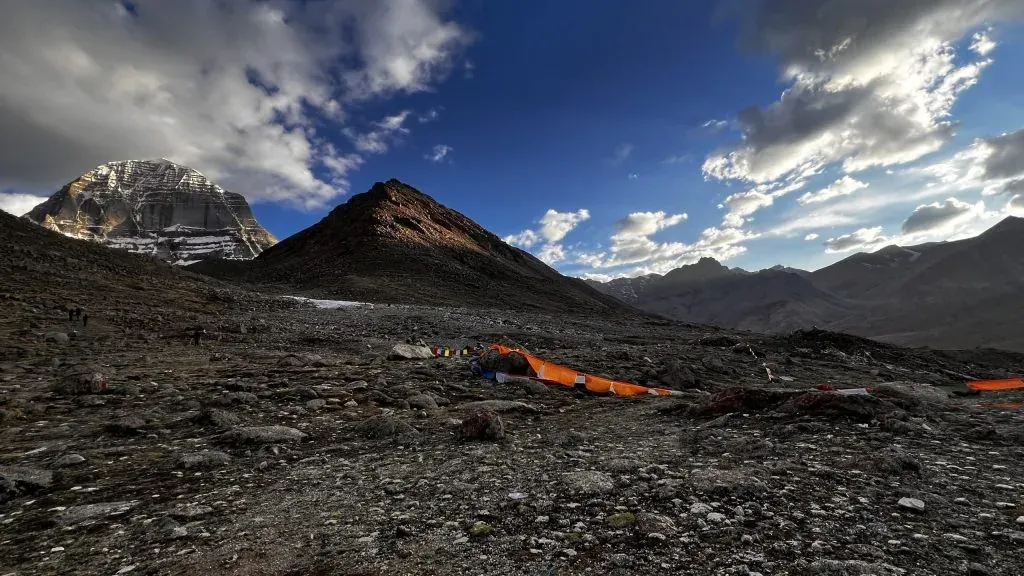
The Kailash Mansarovar Yatra in 2026 is full of adventure, spirituality, and discovery. You can choose between overland routes through the Himalaya or faster helicopter journeys from Kathmandu. With good physical fitness and meticulous planning of permits, guides, and travel logistics, the pilgrimage becomes achievable for many people. Compare our Kailash Mansarovar Yatra packages, pick the yatra package that fits your dates, make your reservation with our team, and get ready for a great trip.


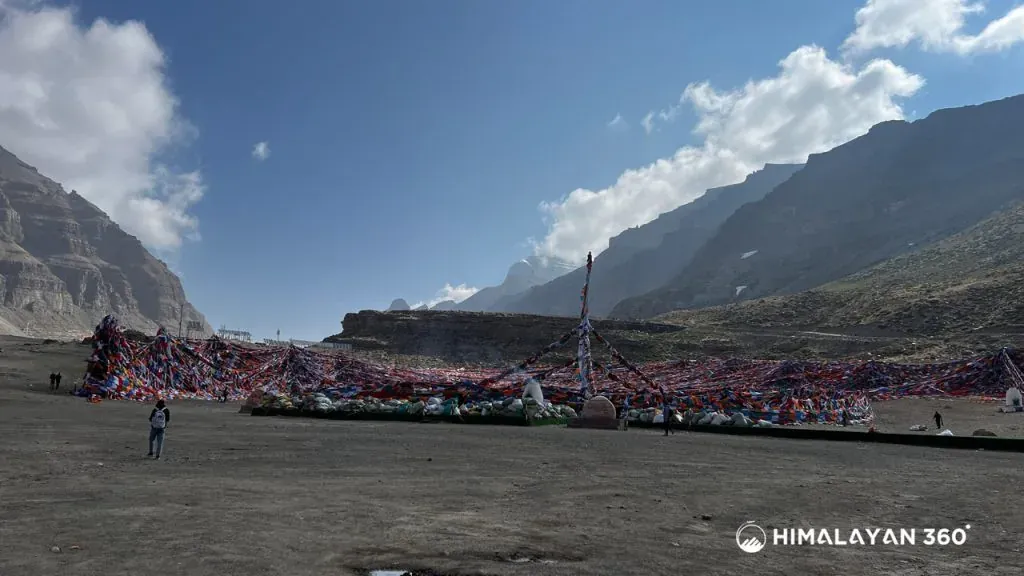
14 Days
Kailash Mansarovar Yatra
$2,770
5.0(6 reviews)
The Kailash Mansarovar Yatra from Nepal is one of the world’s most demanding and most revered pilgrimages — a journey to Mount Kailash (6,638 m) and the sacred Lake Mansarovar on the high plateau of western Tibet. This is our 14-day overland yatra, departing from Kathmandu and crossing into Tibet at the Rasuwagadhi–Gyirong border. It is the route most pilgrims choose: slower than the helicopter, which means your body acclimatises properly instead of being dropped at altitude, and far less expensive. You travel through the Himalayan foothills, over the Tibetan plateau, past Lake Mansarovar, and finally around Mount Kailash itself on the three-day Kora. Mount Kailash is held sacred by four faiths. Hindus know it as the abode of Lord Shiva. Buddhists know it as the seat of Demchog (Chakrasamvara). Jains revere it as the place where their first Tirthankara attained liberation. For Bon followers it is the axis of the world. Lake Mansarovar, at its foot, is believed in Hindu tradition to have been created by Lord Brahma. We have operated this pilgrimage since 2014. We arrange the Chinese Group Visa, all four Tibet-side permits, accommodation, transport, meals, oxygen and a medical kit, and Nepali- and Hindi-speaking support throughout. Groups run 5–20 pilgrims. 2027 departures are open now. Bookings for the May–September 2027 season are being taken from August 2026, and the earlier you book, the better your choice of date.
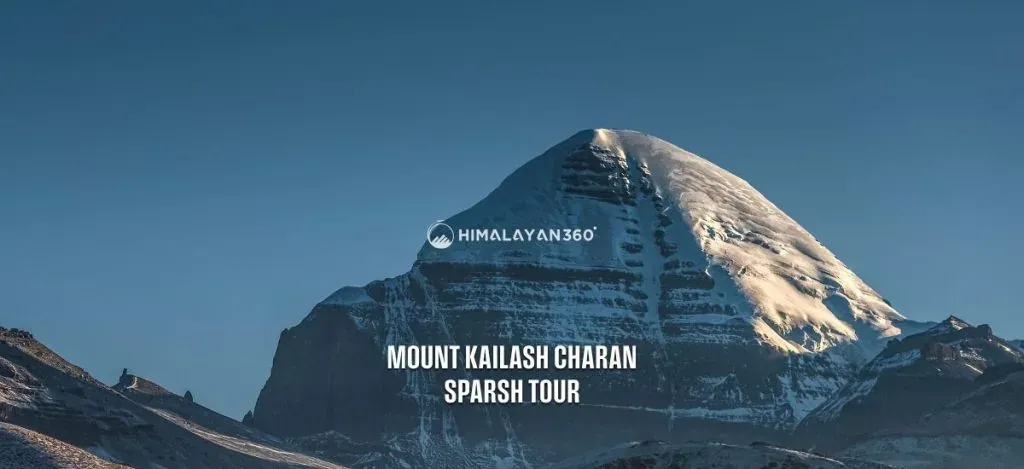
10 Days
Kailash Charan Sparsh Tour
$1,999
5.0(2 reviews)
Kailash Charan Sparsh Tour with Lake Mansarovar is a journey to the sacred Mount Kailash, combining touching the feet of Mount Kailash (Charan Sparsh) with a visit to the holy Lake Mansarovar. Reaching the base of Mt Kailash represents a deep connection with Lord Shiva. Followers believe that this mountain is where Lord Shiva resides, and many consider the journey to Mount Kailash a significant spiritual experience that should be undertaken only once in a lifetime. This pilgrimage place is sacred for the people of the Jain, Hindu, Buddhist, and Bon religions. Likewise, the mountain is near the sources of several major rivers, including the Indus, Sutlej, Brahmaputra, and Karnali. Unlike the Kailash Mansarovar tour, the Mount Kailash Charan Sparsh pilgrimage covers a distance of 7 km from the Dirapuk monastery to the mountain’s north face, which differs from the traditional Kailash Mansarovar Yatra. This spiritual tour provides travellers with positive energy, which can be particularly beneficial as they trek through the icy moraines and snowy mountains. Now, let’s talk in detail about the Mount Kailash Charan Sparsh tour.
Kailash Mansarovar Yatra by Helicopter
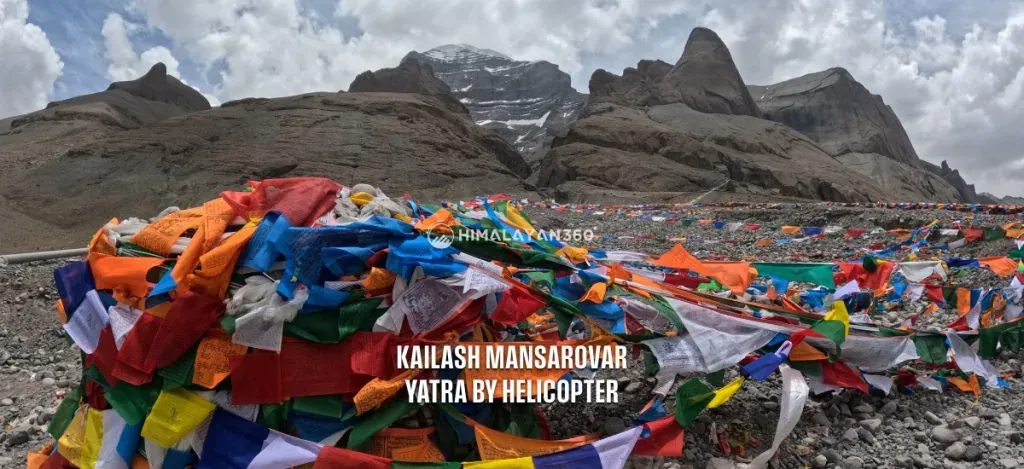
11 Days
Kailash Mansarovar Yatra by Helicopter
$4,395
What could be more fascinating than visiting two of Tibet’s most iconic spiritual landmarks, Mount Kailash and Lake Mansarovar, by helicopter? Himalayan 360 offers an 11 days Kailash Mansarovar Yatra by Helicopter. Located in the Far Western region of Tibet, Mount Kailash rises 6,638M above sea level like a perfect diamond. Beside it lies the holy Mansarovar Lake, the largest freshwater lake in Tibet. Together, they are believed to be a sacred source of divine energy and inner peace. These sites hold deep religious significance across Hinduism, Buddhism, Jainism, and Bon communities. The 11-day Mount Kailash and Mansarovar tour by helicopter begins in Kathmandu. In Kathmandu, you will visit Pashupatinath Temple. Then from Kathmandu, you will take a flight to Nepalgunj, from there to Simikot, and then take Heli to Hilsa. From Hilsa, after completing border formalities, you will drive to Taklakot (Burang) and spend a day acclimatizing while exploring the area. The following day, you’ll travel from Taklakot to Mansarovar via Chiu Gompa, then proceed to Taraboche. Taraboche is the starting point of the sacred Kailash Kora (circumambulation). The first day of the Kora leads to Dirapuk. By the next 2 days, you will finish Kora. Thousands of pilgrims perform this sacred circumambulation each year to seek spiritual purification and blessings from Lord Shiva. This itinerary is ideal for travelers who want to do the Kailash Kora and visit Mansarovar Lake without trekking for many days. Every year, between May and September, we operate this tour package for you. We also provide the Kailash Mansarovar Yatra Tour without a helicopter. Note: Helicopter costs change frequently, contact us for recent price.
 Trek
Trek By air
 Pilgrimage
 Festivals
 Wildlife
 Luxury
 Yoga
Yoga Food
Food Heritage