
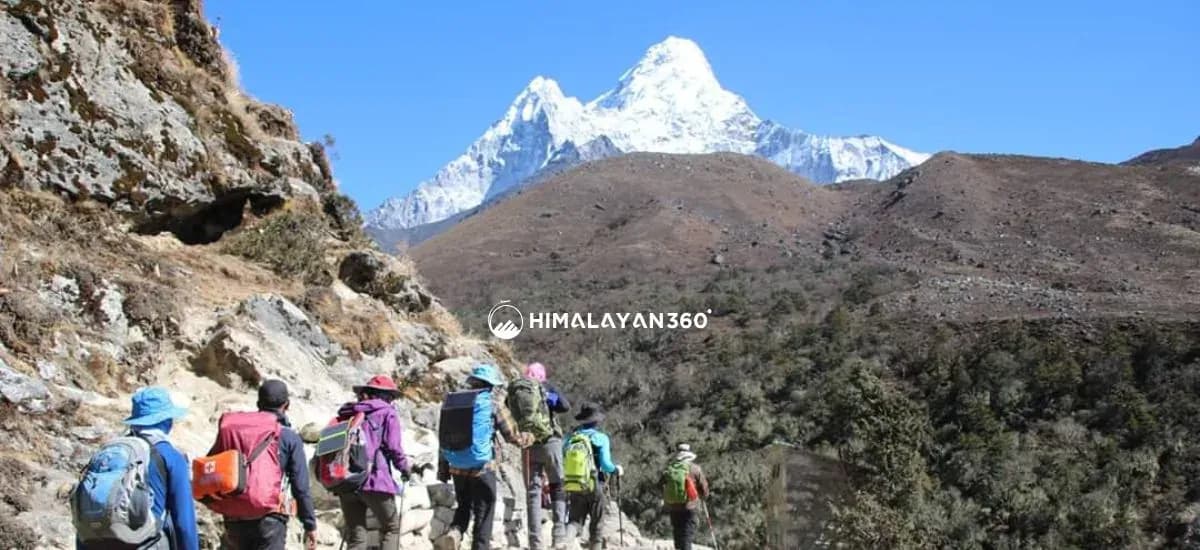
The Manaslu Circuit Trek and the Everest Base Camp trek offer a choice between a less crowded trail and a more popular route. Manaslu vs Everest is really a choice between space and infrastructure. The Manaslu Circuit Trek takes 14–18 days, is moderately difficult, costs around USD 920 –1,330, and circles Mount Manaslu (8,163M). Everest Base Camp Trek takes 11–14 days, is moderate, costs about USD 1,260 –2,150, and leads to the base of Mount Everest (8,848m).
Everest Base Camp is known for its strong trekking infrastructure and views of the 8,000M peaks of Everest, Lhotse, and Ama Dablam, with villages like Namche Bazaar offering bakeries, Wi-Fi, and medical clinics. Manaslu, by contrast, passes through Tibetan-influenced villages, fewer lodges, and restricted areas that require a special permit and a licensed guide. Both treks reach high altitude above 5,000M, and each trek requires good fitness and a real tolerance for altitude sickness, but Manaslu feels more remote and raw. The Manaslu Circuit Trek offers empty trails; the classic Everest Base Camp trek offers the best infrastructure in Nepal. Compared to the EBC trek, the Manaslu route is longer on the feet and thinner on comfort, and the length of the trek is what most people underestimate when they choose Manaslu.
Manaslu Circuit vs Everest Base Camp: Quick Comparison
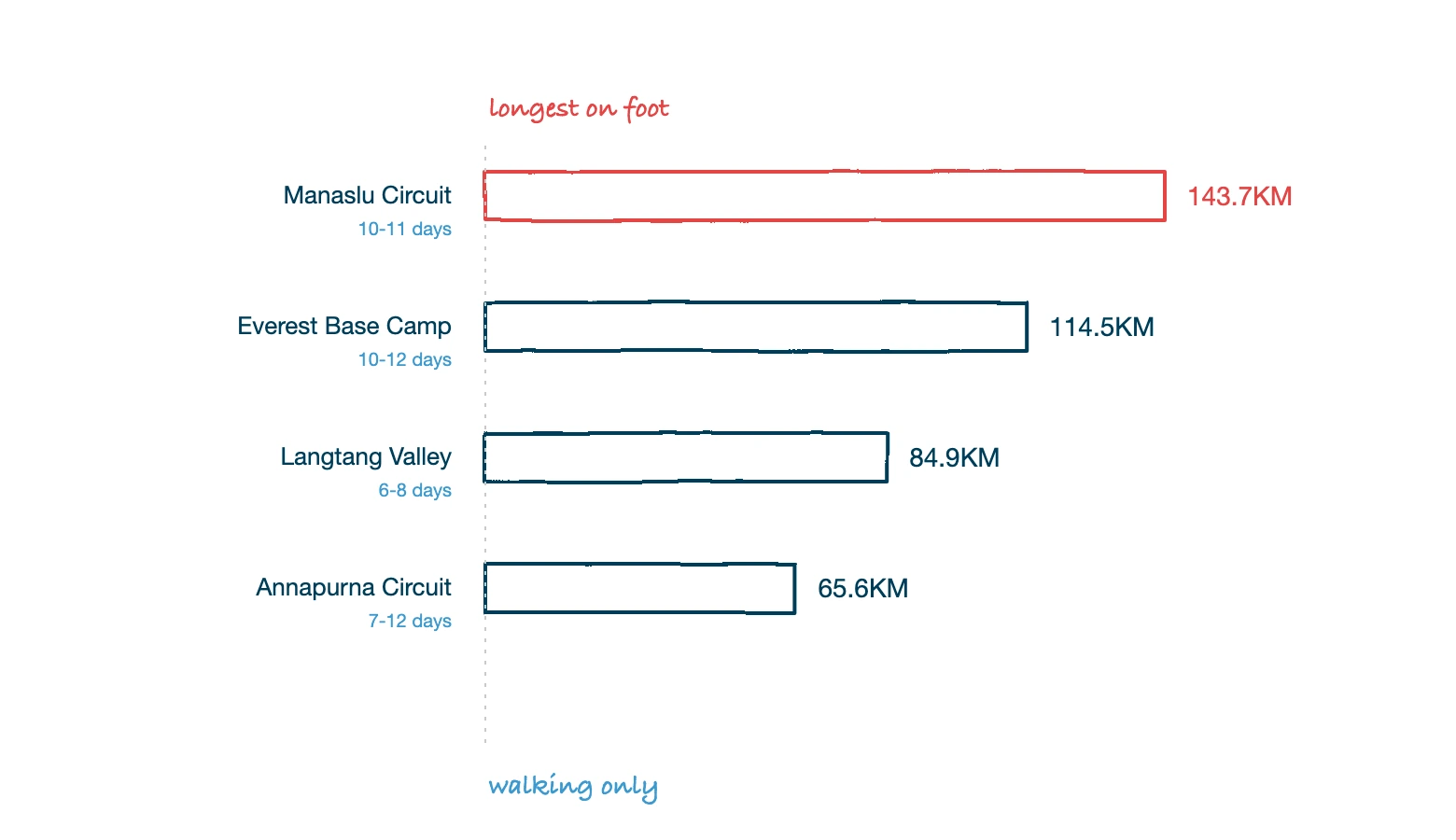
This section is a time-saving snapshot for any trekker who wants clear, side-by-side information on the Manaslu Circuit vs Everest Base Camp before going deeper. The table below highlights the key differences between the two treks in a simple way.
| Factor | Manaslu Circuit Trek | Everest Base Camp Trek |
|---|---|---|
| Region | Gorkha region, western Nepal | Khumbu region, eastern Nepal |
| Start Point | Machha Khola | Lukla |
| Highest Point | Larkya La Pass (5,106M) | Kala Patthar (5,545M) |
| Duration | 14–18 days | 11–14 days |
| Distance | 143.7KM (89 miles) | ~130 KM |
| Difficulty | Strenuous | Strenuous |
| Terrain / Trail Condition | Remote trails and fewer facilities | Well-maintained trails and clear paths |
| Crowd Level | Low to moderate | High |
| Accommodation & Facilities | Small lodges, limited services | Comfortable lodges, good facilities |
| Permits | Restricted area permit + MCAP + ACAP | Sagarmatha National Park permit + Khumbu local permit |
| Cost | USD 920 –1,330 | USD 1,260 –2,150 |
| Scenic Highlights | Mount Manaslu, Tibetan villages, high passes | Mount Everest, Ama Dablam, Sherpa culture |
Which trail feels quieter and more remote?
The Manaslu Circuit Trek feels quieter and more remote due to fewer trekkers and restricted permits. Below, we discuss each trek in detail to explain why the trail experience feels so different.
Manaslu Circuit
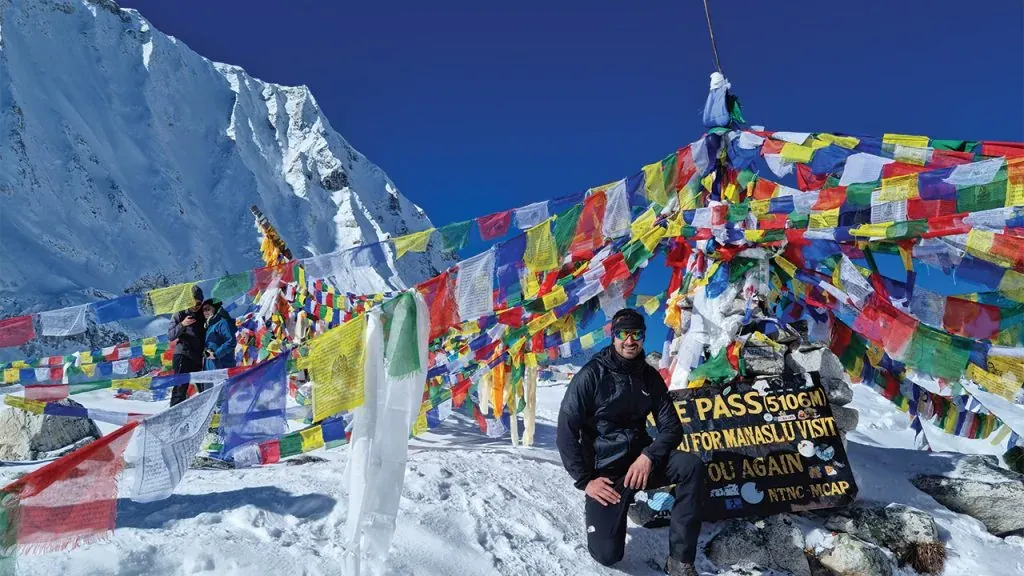
The Manaslu Circuit Trek feels more remote because far fewer people trek here each year. Everest Base Camp receives more than 60,000 trekkers annually, while Manaslu welcomes only about 5,000 to 12,000 visitors. On many days, you can walk for hours without meeting another group. Every foreign trekker must hire a licensed guide and obtain special permits, which naturally control the number of visitors. There are no short flights to start the trek. The starting point of the trek is reached by road, from Kathmandu to Soti Khola and on to Machha Khola, an 8 to 10 hour drive from Kathmandu on rough surface, which makes it more remote than anything in the Everest region.
Everest Base Camp
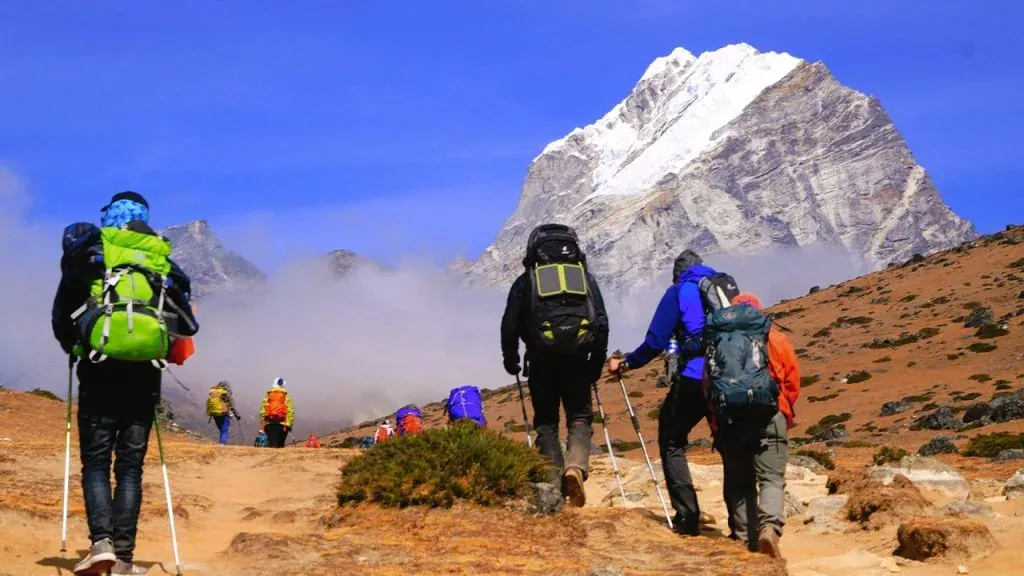
Everest Base Camp Trek does not feel as quiet or remote as Manaslu because it attracts far more trekkers each year. During spring and autumn, the trail can feel busy. Access to this region of Nepal is easier because of the 30-minute flight from Kathmandu to Lukla, and a trek to Everest can be extended into the Three Passes Trek without leaving the valley. Facilities are more developed. Many lodges offer hot showers and charging points. Solo trekking is allowed, and permits are simple to obtain. These factors make Everest Base Camp more comfortable and accessible, but less isolated than the Manaslu Circuit.
Mountains, Views & Landscapes: Khumbu vs Manaslu
Both treks offer beautiful mountain views, but the scenery, the flora and fauna and the atmosphere all feel different. Khumbu is high and bare from the start; the trails of the Manaslu side climb through five vegetation zones before they get there. It is a stunning trek in a different register from Everest. The table below highlights the main landscape features and peaks you can expect on each trail.
| Feature | Everest Base Camp (EBC) | Manaslu Circuit |
|---|---|---|
| Mountains | Everest, Lhotse, Nuptse, Ama Dablam, Cho Oyu. | Manaslu (8th highest), Himlung Himal, Ganesh Himal, Kang Guru. |
| Glacier | Khumbu Glacier, Ngozumpa Glacier | Manaslu Glacier, Lakya Glacier |
| Landscape Variety | High alpine. Mostly shrubs, rocks, and ice. | Tropical jungles to high-altitude tundra. |
| Vegetation | Pine/Rhododendron below 4,000m; barren above. | Bamboo/Ferns at the start; alpine forests mid-way. |
| Photography Vibe | High-contrast “Big Mountain” shots | “Lost World” aesthetics |
Trek Difficulty: How Hard is Each Trek for Your Body?
Both treks are physically challenging, but they pressure the body in different ways. The difficulty of the Everest side is mainly a challenge of altitude, which makes it a difficult trek for reasons that have little to do with distance. A large part of the trek stays above 3,500M. The highest common viewpoint is Kala Patthar (5,545 m). At this height, the oxygen level is almost 50 percent lower than at sea level. Many trekkers experience shortness of breath, poor sleep, or mild headaches. The flight to Lukla (2,845M) also creates a sudden altitude jump. This gives the body less time to adjust in the early days.
The Manaslu Circuit is more of an endurance test. The walking distance along the Manaslu route is 143.7KM (89 miles), and 14 to 18 days for Manaslu is normal. The highest point of the trek is Larkya La Pass at 5,106M, and the side walk to Manaslu Base Camp from Samagaun adds another day if you want it. You walk longer hours on remote trails with more ups and downs. The climb to the highest point (Larkya La) is long and cold. The descent drops more than 1,500M in a single day. This puts strong pressure on the knees and ankles. Everest challenges your lungs more, whereas Manaslu challenges your legs and stamina more. Altitude sickness is the common failure on the Everest side and blistered feet on the Manaslu side, which is a fair summary of the trek experience on each.
For the full difficulty breakdown, the day-by-day distances and the season comparison, see Manaslu Circuit Trek difficulty, distance and best season.
Culture & local experiences along the Trails
While both treks follow Tibetan Buddhism, the cultural experience differs in its level of commercialization and the ethnic groups you will meet. EBC is home mainly to the Sherpa community, who are known worldwide for their mountaineering history. Tourism plays a major role in daily life here. A cultural highlight is Tengboche Monastery, the largest monastery in the Khumbu region, where the Mani Rimdu festival is held every autumn with masked dances and prayer ceremonies.
On the Manaslu Circuit, the main ethnic groups are Gurung, Tamang, and Bhotia people of Tibetan origin, with many families still relying on farming, yak herding, and small trade. Villages like Lho, Sama Gaun, and Samdo preserve old stone houses and monasteries, including Ribung Monastery in Lho and Mu Gompa in the Tsum Valley. Lhosar and Dumje are important festivals here. Lhosar celebrates the Tibetan New Year, and Dumje celebrates local customs and traditions.
Permits, Regulations & Guides in Nepal
In 2026, the Manaslu Circuit, Manaslu Tsum Valley Trek, and Everest Base Camp (EBC) treks all have mandatory guide requirements, but the permit structures differ significantly. Trekking in the Manaslu region also means entering the Manaslu Conservation Area, which EBC and Manaslu do not have in common. Manaslu is classified as a restricted area with tighter rules, while EBC has a simpler and more open permit system.
| Aspect | Everest Base Camp (EBC) | Manaslu Circuit Trek |
|---|---|---|
| Primary Permits | Sagarmatha National Park & Khumbu Pasang Lhamu Permit | Restricted Area Permit (RAP), MCAP, & ACAP |
| Permit Cost | USD 50 | USD 119–144 |
| Guide Requirement | Mandatory (since 2023/25) | Mandatory (Licensed Guide + Registered Agency) |
| Minimum Group Size | Solo travelers allowed (with guide) | Solo travelers allowed since March 2026 (with guide) |
| Application Method | Can be obtained on-trail (Lukla/Monjo) | Must be processed in Kathmandu via an agency like Himalayan 360 |
Manaslu Circuit Trek vs Everest Base Camp Trek Cost in 2026
In 2026, the Manaslu Circuit Trek costs USD 920–1,330, while the Everest Base Camp Trek falls between USD 1,260–2,150. These figures include core expenses but can vary with season, group size, and service level.
| Cost Component | Manaslu Circuit Trek (2026) | Everest Base Camp Trek (2026) |
|---|---|---|
| Permits | USD 119–144 | USD 50 |
| Guide & Porter | USD 200–350 | USD 250–450 |
| Transportation | USD 120–200 | USD 200–350 |
| Accommodation & Meals | USD 300–450 | USD 400–700 |
| Extras (Wi‑Fi, showers, charging) | USD 40–70 | USD 70–120 |
| Insurance & Gear | USD 100–180 | USD 100–180 |
| Emergency / Contingency | USD 50–100 | USD 80–150 |
Best Time to Trek: the Manaslu Region vs the Everest Trek
For both the Manaslu Circuit and Everest Base Camp, the best seasons in 2026 are spring from March to May and autumn from September to November. During these seasons, the day temperatures at 3,000 to 4,000M range between 10°C and 18°C. Night temperatures drop below freezing at higher camps.
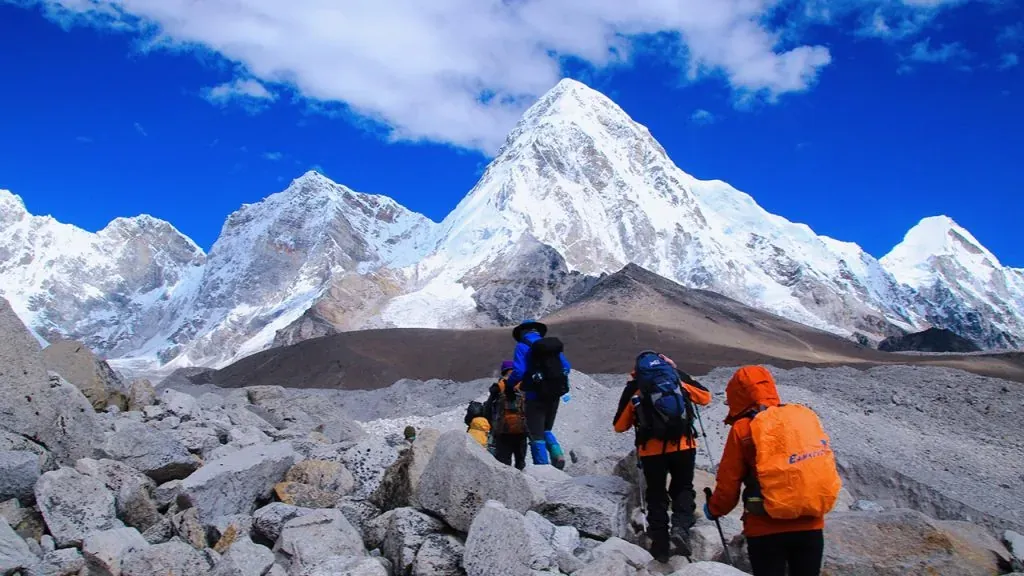
Autumn is often considered the top season. Major festivals such as Dashain and Tihar take place during this period. Spring is slightly warmer, and forests bloom with rhododendron flowers. Late May can bring light haze before the monsoon begins.
Winter and monsoon are possible, but more challenging. From December to February, temperatures at high passes can fall below -20°C. Larkya La on Manaslu is blocked by snow in winter. Kala Patthar on the Everest route also becomes very cold and windy. Many teahouses close in remote sections.
The monsoon season from June to August brings heavy rain. Trails become muddy, and landslides are more common in the lower Manaslu region. For safety, comfort, and clear scenery, spring and autumn remain the most reliable choices for both treks.
Food and Accommodation in the Everest Region and on the Manaslu Trek
Both treks follow the teahouse system, but comfort and food variety differ with accessibility and visitor numbers. Lodges in the Everest region are supplied by a constant stream of porters and yaks; the Manaslu trek is supplied by whatever came up the road to Machha Khola. The table below shows the key differences in meals and lodging.
| Element | Everest Base Camp | Manaslu Circuit |
|---|---|---|
| Breakfast | Pancakes, Porridge, Eggs (any style), Muesli, Toast | Tibetan Bread, Chapati, Buckwheat porridge, Eggs |
| Lunch/Dinner | Dal Bhat, Pasta, Momos, Noodles | Dal Bhat, Thukpa (Noodle soup), Thenduk, Tsampa |
| Dietary Restrictions | Highly adaptable for Vegan/Gluten-Free | Primarily Vegetarian; meat is rare/frozen |
| Water | Bottled water is common | Primarily boiled or filtered water; fewer plastic bottles |
| Lodging Style | Modern teahouses & luxury mountain lodges. | Stone-built, family-run teahouses |
| Heating | Central stove in the dining, some rooms have heaters. | Central wood/dung stove in dining room only |
| Charging & Wi-Fi | “Everest Link” Wi-Fi and solar/electric charging | Spotty Wi-Fi and solar charging |
Everest Base Camp vs Manaslu Circuit: Which Trek Should You Choose?
Choose Manaslu Circuit if you want empty trails, a restricted-area feel, Tibetan-origin villages and a pass day you will remember for years, and if a lower budget matters more than a hot shower. It is the better choice for trekkers who have already walked a busier Nepal route and want the quieter version.
Pick Everest Base Camp if you want the mountain everyone knows, the best trekking infrastructure in Nepal, lodges with heating and Wi-Fi, a medical clinic at Namche and the option to shorten the return by helicopter. It is the better first Himalayan trek, and the better choice when your time in Nepal is tight, because the Lukla flight replaces two days of driving.
Everest Base Camp trek vs Manaslu Circuit comes down to two questions. If you are choosing on cost, Manaslu wins. If you are choosing on comfort and access, Everest wins. If you are choosing on how far you want to be from a road, Everest Base Camp and Manaslu are not close: on Manaslu, beyond Samagaon, the only way out is a helicopter. Compared to Manaslu, every Everest lodge is within a day of somewhere with a radio.
Ready to start? Plan your trek today!
Manaslu and Everest treks both offer life-changing experiences, but in different ways. Our trek packages for both start in Kathmandu, and the Annapurna Circuit Trek is the third option if you want a long circuit without restricted-area paperwork. One tests your stamina on longer trails, and the other challenges your body with higher altitude and thinner air. Neither trek is “better.” They are simply different journeys having different goals, budgets, and comfort levels.
You are more capable than you think. With proper planning and the right support team, both treks are achievable for fit and prepared trekkers. You do not need to be perfectly ready to begin planning. Every strong journey starts with a simple decision.


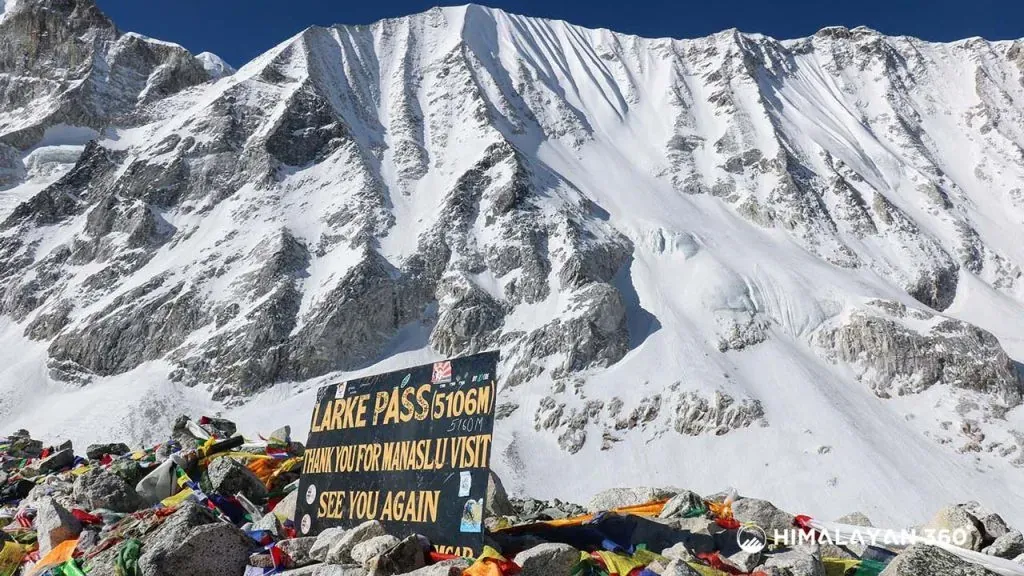
14 Days
Manaslu Circuit Trek
$920
5.0(7 reviews)
The Manaslu Circuit Trek is a stunning 13-18 day teahouse trek in Nepal, circling the world’s 8th highest mountain (Manaslu 8,163m), and covers about 144KM (89 Miles). The trek journey starts at Machha Khola and slowly climbs through farmlands and small villages. As you move higher, you reach mountain valleys like Samagaon and Samdo. The biggest highlight is crossing the Larkya La Pass (5,160M), where you can see amazing views of Manaslu, Himalchuli, and Ngadi Chuli. The trek also offers a local culture experience. Villages such as Samagaon, Namrung, Lho, and Deng show strong Tibetan traditions. You will see monasteries, prayer flags, and mani walls along the way. Depending on the season, you may also witness festivals like Lhosar (Tibetan New Year) or Saga Dawa, which celebrates Buddha’s life. In these villages, people farm millet, herd yaks, and live in ways passed down for centuries. This gives trekkers a close look at a culture that is still very traditional. The Manaslu Circuit trek trail also takes you through different natural landscapes. In the lower region at Jagat and Soti Khola, you will walk through green forests alive with rhododendron, magnolia, and bamboo. As you go higher past Philim, Namrung, and Samdo, the forest changes into oak, maple, and conifers, with waterfalls along the way. Near Samagaon and Larkya La, the land becomes rocky and snowy, with only small plants like moss and lichens. The changing landscape offer the true trekking experience throughout the Manaslu Circuit trek. Likewise, one special thing about the trek to Manaslu Circuit region is that it is a restricted area. Trekkers need special permits, which help protect the environment and keep the trail less crowded. You will need to compulsorily hire a trekking guide. You can find simple teahouses and lodges in main villages, but the trek still feels wild and quiet compared to other popular routes in Nepal. The best time for Manaslu Circuit trek is during the Spring (March to May) and Autumn (September to October) seasons.


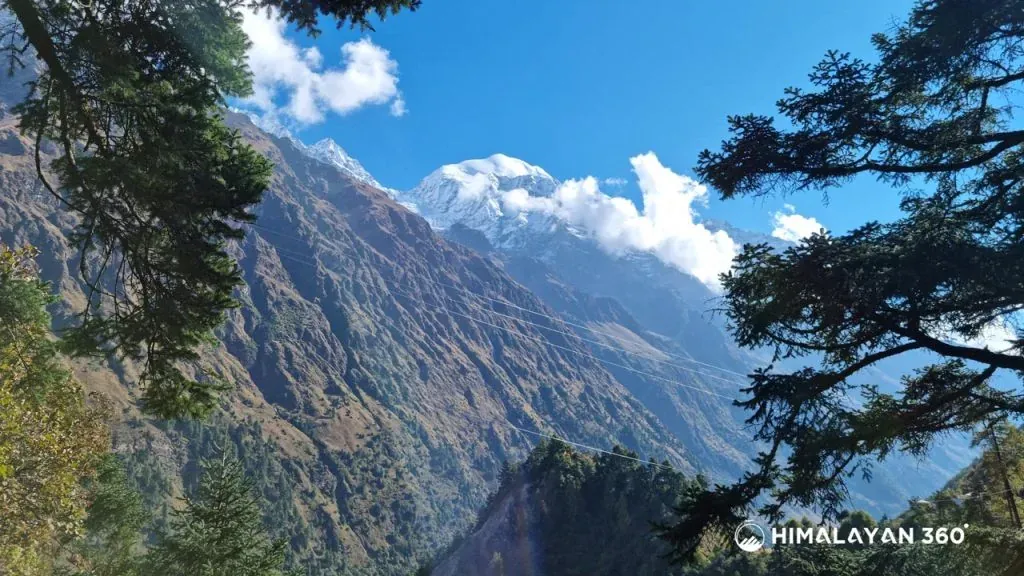
20 Days
Manaslu Tsum Valley Trek
$1,330
The Manaslu Tsum Valley Trek is an adventure around Mount Manaslu, the world’s eighth-highest peak at 8,163 meters (26,781 feet). This trek takes you through the scenic Manaslu Conservation Area and into the remote Tsum Valley, close to the Tibetan border. For 20 days, trekkers travel through serene pine forests, rhododendron jungles, and challenging trails leading up to the Larkya La Pass with majestic mountain views. The trek features high-altitude lakes, unique wildlife, and ancient Buddhist monasteries, with altitudes above 3,000m and 5,000m (16,404 feet) respectively. Along the way, you’ll discover a rare blend of Nepali and Tibetan culture, language, and traditions that make this region truly special. You will climb through Gurung villages with rice and millet terraces and cross many Buddhist shrines, especially in the Tsum Valley, which also has a similar culture to Tibetans. Tsum Valley, located near the Tibetan border, offers opportunities to encounter Buddhist monks and explore Milarepa’s Cave. You can also view Nepal’s national bird, the Lophophorus, against majestic landscapes of Mount Manaslu and Himalayan ridges like Hiunchuli and Annapurna II. The Manaslu Tsum Valley trek is ideal for adventure-seekers, but beginners with strong bodies and amazing stamina can also experience this. Just make sure that you are physically fit, if you are planning to take up the trek.


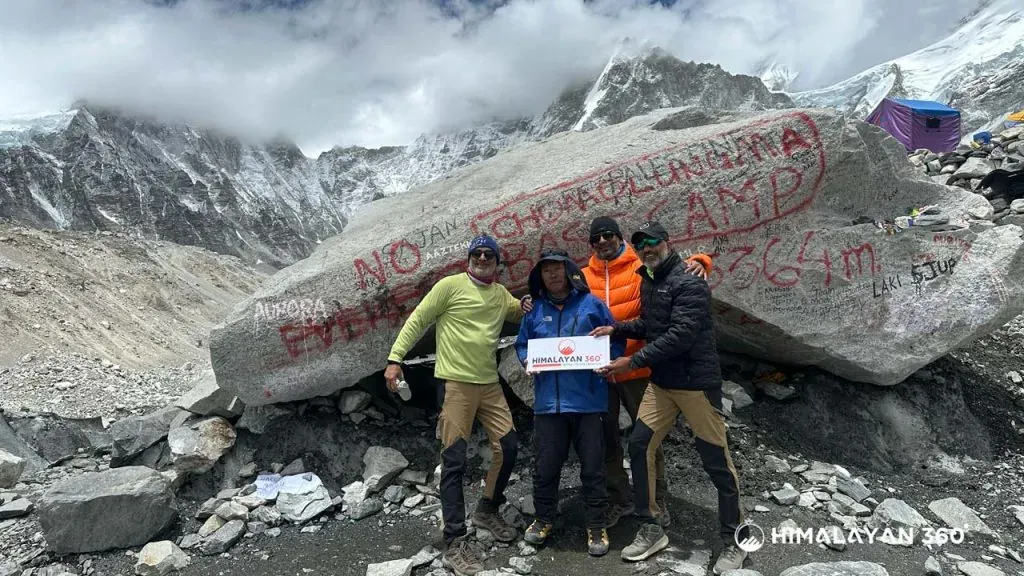
14 Days
Everest Base Camp Trek
$1,260
5.0(2 reviews)
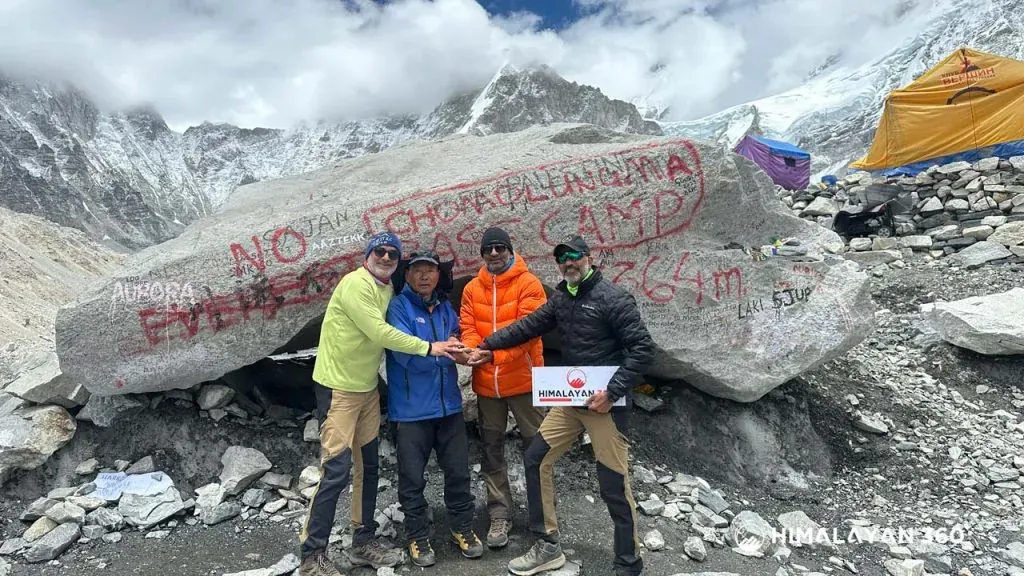
Everest Base Camp Trek is every trekker’s dream adventure. It takes you right to the foot of the world’s tallest mountain, Mount Everest (8,848.86 m) at 5,364 meters. One of the best experiences is the early morning hike to Kala Patthar (5,545 meters), where you get incredible views of Everest, Lhotse (8,516 m), Nuptse (7,861 m), and other giant peaks. The best time to do the EBC trek is during Spring (March-May) and Autumn (September-November). You’ll follow the classic route through the Khumbu Valley, starting with green forests and terraced hills. As you go higher, the landscape changes to rocky alpine paths and glaciers. Along the way, you’ll cross famous suspension bridges, see flowing rivers, and walk near the massive Khumbu Glacier. Important landmarks include Namche Bazaar (a lively mountain town), Tengboche Monastery (a peaceful place with amazing mountain views), and memorial sites that honor climbers from the past. You will also pass through traditional Sherpa villages, offering a unique opportunity to experience the Nepali Sherpa culture and spirituality. Your trek begins with a thrilling flight from Kathmandu or Manthali to Lukla (2,840 meters), where the trail starts. From Lukla, you’ll take an easy walk to Phakding and then head to Namche Bazaar. After that, you will move on to Tengboche, Dingboche, and Lobuche, where the terrain gets rougher. The final part of the trek is the exciting hike to Everest Base Camp and the sunrise hike to Kala Patthar. At the end of the trek, you will carry unforgettable memories and a trekking experience that will last a lifetime.
Everest Base Camp Trek With Helicopter Return


11 Days
Everest Base Camp Trek With Helicopter Return
$2,150
The Everest Base Camp Trek with Helicopter Return is the perfect way to experience the adventure and comfort in Nepal’s most iconic Everest trekking region while saving time and energy. Normally, the full round-trip to Everest Base Camp from Lukla takes about 12 days to 16 days, covering 130 kilometers. But with this Everest Base Camp Trek with a Helicopter Return Trip, you hike only about 65 kilometers to reach Everest Base Camp. Instead of trekking back, you take a helicopter from Gorak Shep to return to Kathmandu. This means you skip the long, tiring return walk without missing any of the important sights. The EBC Trek with Helicopter Return Route is more than just a shortcut and a luxury. It adds a new level of experience. From above the sky, you’ll see the Khumbu Glacier, mountain valleys, and the very trails you walked on. Flying over Mount Everest and nearby peaks gives you unforgettable aerial views that most trekkers don’t get. Not to mention, even with a shorter trek, you still get the full Everest experience. You will pass through Sagarmatha National Park, where you’ll spot wildlife and beautiful alpine landscapes. You’ll also visit lively Sherpa villages like Namche Bazaar and Tengboche, explore ancient monasteries, and enjoy warm local hospitality. In less time, you’ll stand at Everest Base Camp and take in the incredible Himalayas, ending your journey with a smooth and memorable helicopter flight home. This trek is a great choice for people who are short on time or want to reduce the physical stress of a full round-trip hike to EBC.
 Trek
Trek By air
 Pilgrimage
 Festivals
 Wildlife
 Luxury
 Yoga
Yoga Food
Food Heritage