Why Nepal is a Dream Destination for Photography Lovers?
Nepal may be smaller than California, but it has five different climate zones in one country, which makes it an amazing place for photography. In just two weeks, you can travel from the subtropical plains of the Terai, where Bengal tigers and one-horned rhinos live, to the historic temples and UNESCO World Heritage Sites in Kathmandu, and then continue onward to the Himalayan regions of Everest and Annapurna.
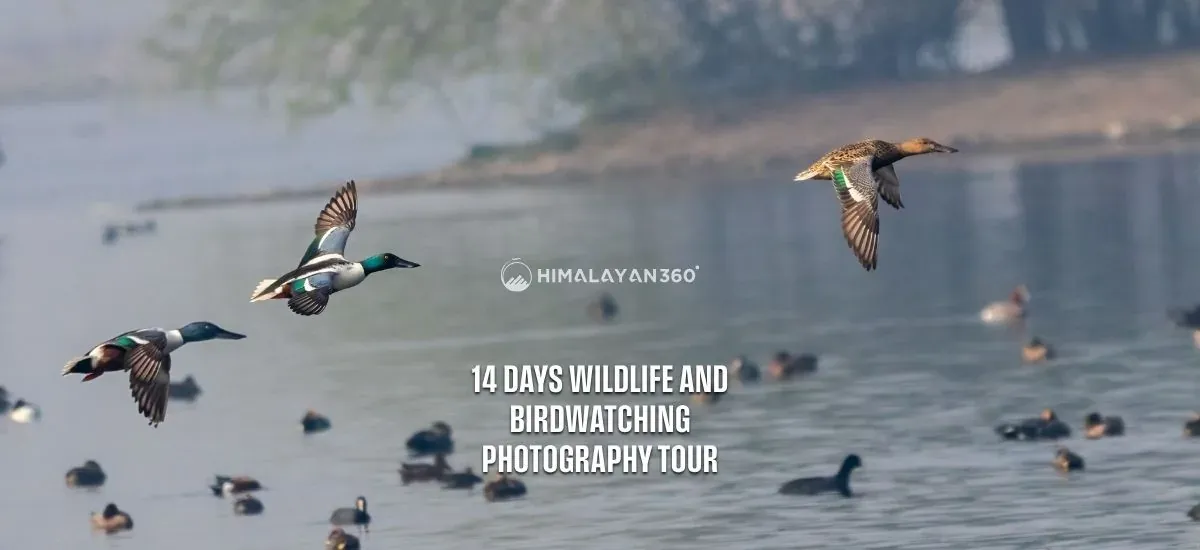
Nepal is also a paradise for bird lovers. It has more than 900 bird species, which is about 9% of all bird species in the world. Places like Koshi Tappu Wildlife Reserve are rich, with around 441 species of birds. This means photographers don’t have to wait long to see wildlife; they have many choices to capture.
The people and culture add even more to the experience. In the Terai, you can meet the Tharu community. Near Lumbini, you’ll find Buddhist traditions. In Kathmandu Durbar Square local food, trade, and religious activities create great opportunities for natural street and portrait photography.
Best Photography Locations in Nepal
Nepal is a dream destination for photographers. From the highest peaks in the world to ancient temples and dense jungles, every corner offers something different to capture. Here are the best photography locations in Nepal you shouldn’t miss:
| Everest Region (Himalayas) | Annapunra Region (Diverse Landscape) | Kathmandu Valley and Langtang (Culture) | Terai Region (Wildlife Photography) |
| Home to Mount Everest | Mountains reflection at Phewa Lake | Cultural hub, festivals, and religion | Chitwan National Park for rhinos and elephants |
| Sunrise view from Kala Patthar | Sunrise from Poon Hill | Pashupatinath, Swayambhunath, Bhaktapur, and Patan | Bardiya National Park |
| Aerial shots near EBC | A mix of forests, villages, rivers, and deserts | Portrait and documentary photography | Jungle Safaris and hike |
| Portrait opportunities with Sherpa people | Paragliding, bungee jumping, and mountain biking | Kyanjin Gompa and Langtang Village | Koshi Tappu Wildlife Reserve |
Top Photography Tour in Nepal
Nepal offers a wide range of photography tours, from birdwatching in wetlands to cultural exploration in the Kathmandu Valley. Below, we have clearly outlined the top photography experiences to help you plan your journey.
12 Days Birdwatching and Wildlife Photography Tour
This 12 days birdlife and wildlife photography tour takes you across some of the richest wildlife regions in Nepal, from Kathmandu to the jungles of Bardiya and Chitwan, and to the birthplace of Lord Buddha (Lumbini). Starting with an international arrival in Kathmandu, you’ll travel by a mix of short domestic flights and drive to reach these diverse locations. They offer great opportunities for birdwatching and wildlife photography in natural habitats.
- Cost: USD 1,596 per person
- Duration: 12 days
- Difficulty: Easy
- Photography type: Wildlife, Birdwatching, and Culture
- Highlights: Temples, Stupas, Maya Devi Temple, and Wildlife like rhinos, deer, crocodiles, and birds
Nepal Village Photography Expedition
Nepal Village Photography Expedition is the cultural photography option that takes you from Kathmandu to Pokhara and is built for photographers whose primary goal is people and landscapes rather than wildlife. The itinerary is customized, which means it adjusts to your specific photographic interests, your pace, and the seasonal conditions at the time of your visit.
- Duration: As per your preference
- Cost: As per your expedition length
- Difficulty: Easy
- Photography type: Cultural, Portrait, and Landscape
- Highlights: Local markets, street life, terraced fields, Trishuli and Marsyangdi River
Kathmandu Day Tour
This Kathmandu Day Tour circles around the cultural center of the Kathmandu Valley. It takes you to some of the most popular UNESCO World Heritage Sites in the world, starting from Swayambhunath (Monkey Temple) to Boudhanath Stupa. This day offers an excellent opportunity for cultural, architectural, and street photography throughout the day.
- Cost: USD 37
- Duration: 1 day
- Difficulty: Easy
- Photography type: Cultural, Architectural, Street, Portrait
- Highlights: Newari architecture and culture, Patan Durbar Square, Kathmandu Durbar Square, historic palaces, temples, and gardens.
Upper Mustang Trek
The Upper Mustang Trek takes you to a remote region in northern Nepal, close to the Tibetan border, known for its desert-like landscape and Tibetan-influenced culture. You can reach the area by flying or driving from Kathmandu to Pokhara, then taking a short flight to Jomsom, where the trek begins. People are drawn to Upper Mustang for its huge cliffs, ancient monasteries, and dry, rain-shadow climate, which doens’t affect the trail.
- Cost: USD 1666
- Duration: 16 days
- Difficulty: Moderate to Challenging
- Photography type: Landscape, Cultural, Documentary
- Highlights: Lo Manthang, Kagbeni, Chele, and Ghami Village, Tibetan landscapes, Rock formation, and caves
Best Time for Photography Tour in Nepal
The season affects not only the weather, but also what you can photograph. The table below clearly shows the conditions for each part of the year.
| Season | Months | Conditions | Photography Notes |
| Spring | Mar – May | 6°C to 28°C, cloudless skies | Breeding season for Himalayan Monal and Scarlet Minivet, rhododendrons in bloom |
| Monsoon | Jun – Aug | 20°C to 30°C, heavy rain | Total greenery, limited jeep access to some areas |
| Autumn | Sept – Nov | 15°C to 25°C, sharp visibility | Migratory birds arrive, the top wildlife activity in national parks |
| Winter | Dec – Feb | 5°C to 20°C in lowlands | Waterfowl at peak numbers in Terai wetlands and deep blue skies |
Tips to Capture Stunning Photos in Nepal
Nepal offers a wide range of photographic opportunities, but careful planning makes a huge difference. Light is one of the most important factors. Early morning and late afternoon are the perfect times to capture mountain peaks when they glow in beautiful golden color. In wildlife areas like Chitwan or Koshi Tappu, patience is key. Many animals, such as Bengal tigers and one-horned rhinos, are most active during dawn and dusk.
Cultural and street photography works best when you pay attention to daily life. By being quiet and respectful, you can take real portraits of Tharu people in the Terai or Buddhist monks near Lumbini without disturbing their daily activities. For landscapes, Nepal weather changes rapidly. Planning your routes according to seasonal conditions makes sure you don’t miss opportunities, whether it’s capturing terraced fields, snow-capped mountains, or wetlands full of waterfowl.
Cost of Photography Tour in Nepal
The cost of a photography tour in Nepal for 2026 varies based on the duration, region, and level of service you choose. It can range from USD 37 to USD 1,999. Below is a simple table showing the cost breakdown.
| Tour Type | Duration | Estimated Price (Per Person) |
| Standard Cultural/Landscape | 10–12 days | USD 1,070 – 1,720 |
| Upper Mustang Photo Tour | 14–16 days | USD 1,466 – 1,666 |
| Wildlife (Chitwan/Bardiya) | 9–14 days | USD 1,011 – 1,999 |
| Everest Heli Photography | 1 day | USD 1,070 |
| Day Photo Walks (Kathmandu) | 1 day | USD 32 – 37 |
Recommended Camera Gear
You don’t need to pack everything. But certain items make a huge difference on a photography tour in Nepal:
- DSLR or mirrorless camera with good low-light performance, since forest interiors can be dim even at midday.
- Telephoto lens (300–500mm) for wildlife
- Wide-angle lens (16–35mm) for capturing landscapes and temple architecture.
- Sturdy tripod or monopod for bird photography at dawn
- Extra memory cards and spare batteries
- Lens cleaning kit to handle dust from jeep tracks and moisture from wetlands.
- Binoculars to spot wildlife before raising your camera.
Note: If you are considering bringing a drone, check the current regulations with Nepal’s Civil Aviation Authority before travel.
Conclusion
If you want to come back from Nepal with a strong photography portfolio, you need three things: good timing, the right access, and local knowledge. The 12-day and 14-day tours from Himalayan 360 are designed with this in mind. The schedules are planned around the best light (like early morning and evening), guides know where animals are most likely to be, and all the travel details are arranged for you. This means you can focus on taking photos instead of worrying about logistics.
You can visit himalayan360.com to see both tours and choose your dates. We also offer options for solo photographers, small groups, and custom trips based on the season and what you want to photograph.

 14Days
 1,400m
 Easy
Easy